Love this? Save it for later!
Share the inspiration with your friends
I was standing in my kitchen at 6:47 AM, still in my pajamas, staring at a package of pork shoulder I’d defrosted the night before. The plan had been to make something simple—scrambled eggs, maybe toast. But then I opened the fridge and saw the bottle of banana ketchup my aunt had sent from Manila. And right next to it, a can of pineapple juice I’d bought on a whim. That’s when it hit me. I wanted that sweet, salty, garlicky smell that used to wake me up on Saturday mornings at my grandmother’s house. I wanted tocino.
I’d made it before, sure. But honestly? I’d always been a little intimidated by the curing process. It felt like something you needed to plan days in advance, like you needed a special license or a secret handshake to get it right. But that morning, I just went for it. I sliced the pork thin, mixed up a quick marinade with ingredients I already had, and let it sit while I made coffee. By the time my husband shuffled into the kitchen, the smell was already filling the apartment. “What’s that?” he asked, half asleep. “Tocino,” I said. He didn’t say anything else. He just sat down at the table and waited.
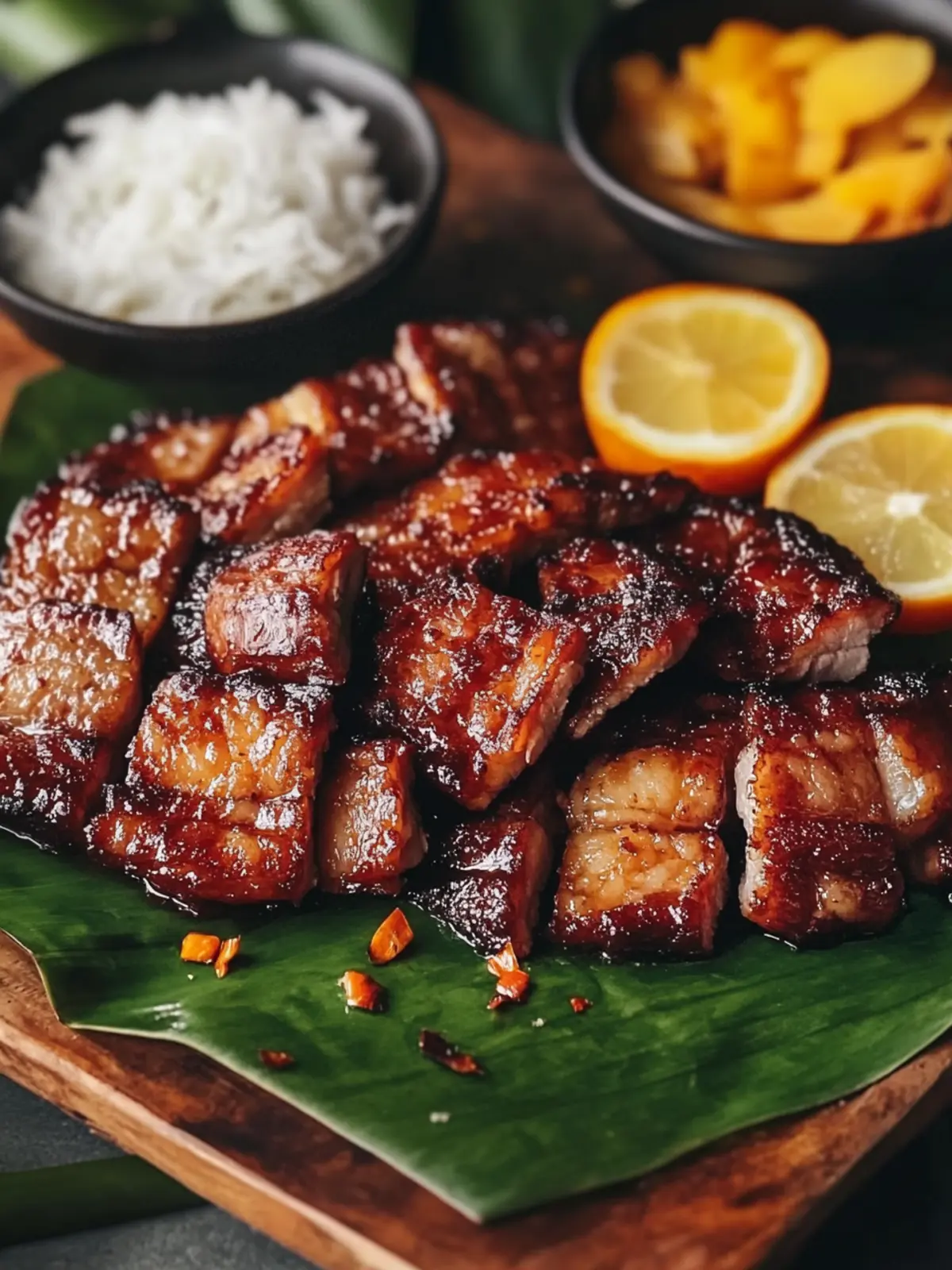
That first batch wasn’t perfect. The caramelization was a little uneven, and I overcooked one piece by accident. But the flavor? The flavor was exactly right. Sweet, savory, with that unmistakable tang that makes Filipino tocino so addictive. I scribbled notes on a napkin—less sugar next time, more garlic, a splash of vinegar for brightness. And I kept tweaking it until, finally, I had a version that felt like mine. It’s the one I’m sharing with you today: the best Filipino pork tocino, a sweet and savory breakfast that tastes like a hug from someone who loves you.
Why You’ll Love This Recipe
- Quick & Easy : Comes together in under 15 minutes of active prep, with a short marinating time of just 2 hours. No overnight curing required.
- Simple Ingredients : You don’t need a trip to a specialty store. Most of these ingredients are pantry staples or easily found at your regular grocery store.
- Perfect for Breakfast or Dinner : Serve it with garlic fried rice and a fried egg for a classic Tosilog meal, or pair it with a simple salad for a lighter dinner.
- Crowd-Pleaser : I’ve served this to picky kids, skeptical in-laws, and friends who’d never tried Filipino food. It disappears every single time.
- Unbelievably Delicious : The balance of sweet pineapple, salty fish sauce, and savory pork creates a flavor profile that’s complex, comforting, and deeply satisfying.
What makes this version different from the rest? It’s the technique. Instead of a complicated dry cure, I use a wet marinade that tenderizes the pork while infusing it with flavor. The key is caramelizing the marinade in the pan, creating a sticky, glossy glaze that clings to every slice. It’s not just another tocino recipe—it’s the one I’ve tested eight times to get just right. This is the kind of dish that makes you close your eyes after the first bite. It’s comfort food reimagined—faster, more accessible, but with the same soul-soothing satisfaction.
What Ingredients You Will Need
This recipe uses simple, wholesome ingredients to deliver bold flavor and satisfying texture without the fuss. Most of these are pantry staples, and the few that aren’t are easy to find.
- Pork shoulder or pork loin (1 lb / 450g) – sliced thinly against the grain. Pork shoulder has more fat, which means more flavor and tenderness. If you’re watching your fat intake, pork loin works too—just be careful not to overcook it.
- Pineapple juice (1/2 cup / 120ml) – this is the secret to the sweetness and tenderizing power. Use canned, unsweetened pineapple juice. I prefer the Dole brand for its consistent flavor.
- Brown sugar (1/4 cup / 50g) – packed. It adds depth and helps create that beautiful caramelized crust. You can use light or dark brown sugar; dark will give a richer, more molasses-like flavor.
- Fish sauce (2 tablespoons / 30ml) – this is the savory backbone. Don’t skip it. I use Red Boat fish sauce for its clean, pure flavor. It’s salty and funky in the best way.
- Garlic (4 cloves, minced) – fresh garlic is non-negotiable here. It adds a punchy, aromatic quality that dried garlic just can’t match.
- Rice vinegar (1 tablespoon / 15ml) – for brightness and to balance the sweetness. It cuts through the richness of the pork beautifully.
- Soy sauce (1 tablespoon / 15ml) – adds another layer of savory umami. Use low-sodium if you’re sensitive to salt.
- Salt (1/2 teaspoon) – to season the pork.
- Black pepper (1/4 teaspoon) – freshly ground is best.
- Annatto powder or paprika (1/2 teaspoon) – this gives tocino its signature red-orange color. Annatto is traditional, but paprika works perfectly and adds a subtle smoky note.
- Cooking oil (2 tablespoons) – for frying. Use a neutral oil like canola or vegetable oil.
Substitution guidance: If you don’t have pineapple juice, you can use orange juice mixed with a teaspoon of sugar. For a gluten-free version, use tamari instead of soy sauce. And if you’re out of fish sauce, you can substitute with an extra tablespoon of soy sauce plus a pinch of salt—though the flavor won’t be quite as complex.
Equipment Needed
- Cutting board and sharp knife – for slicing the pork. A sharp knife makes all the difference when you’re cutting thin slices.
- Mixing bowl – a medium-sized bowl for the marinade.
- Resealable plastic bag or glass dish – for marinating the pork. A glass dish is better for the environment, but a plastic bag takes up less space in the fridge.
- Large non-stick skillet or cast-iron pan – for cooking the tocino. A non-stick skillet is easier for beginners, but a well-seasoned cast-iron pan gives you a better sear.
- Spatula – for flipping the pork slices.
- Tongs – helpful for handling the hot slices, especially when they’re glazed and sticky.
- Paper towels – for draining the cooked tocino.
I personally love using my cast-iron skillet for this. It gets screaming hot and creates that perfect caramelized crust. Just make sure it’s well-seasoned, or the sticky glaze might cause some sticking.
Preparation Method
- Slice the pork. Place the pork shoulder or loin on a cutting board. Using a sharp knife, slice it against the grain into thin pieces, about 1/4-inch thick. If the pork is partially frozen, it’s easier to slice thinly. Aim for pieces that are roughly the same size so they cook evenly.
- Make the marinade. In a medium mixing bowl, whisk together the pineapple juice, brown sugar, fish sauce, minced garlic, rice vinegar, soy sauce, salt, black pepper, and annatto powder or paprika. Whisk until the sugar is mostly dissolved. The mixture should smell sweet, salty, and aromatic.
- Marinate the pork. Place the sliced pork in a resealable plastic bag or a glass dish. Pour the marinade over the pork, making sure every piece is coated. Seal the bag (or cover the dish) and massage the pork gently to distribute the marinade. Refrigerate for at least 2 hours, or up to 8 hours for deeper flavor. I usually let it go for 4 hours—that’s the sweet spot.
- Prepare to cook. Remove the pork from the refrigerator about 15 minutes before cooking to take the chill off. This helps it cook more evenly. Drain the pork from the marinade, but do not discard the marinade. You’ll need it for the glaze.
- Heat the pan. Place a large non-stick skillet or cast-iron pan over medium-high heat. Add the cooking oil and swirl to coat the bottom. Let the oil heat up until it shimmers—about 1 minute.
- Sear the pork. Working in batches to avoid overcrowding the pan, lay the pork slices in a single layer. Let them cook undisturbed for 2-3 minutes, until the bottoms are deeply browned and caramelized. You’ll see the edges start to curl and turn a deep reddish-gold.
- Flip and cook. Using tongs, flip each slice. Cook for another 2-3 minutes on the second side. The pork should be cooked through and slightly charred in spots—that’s where the flavor lives.
- Add the reserved marinade. Once all the pork is cooked, pour the reserved marinade into the pan. Bring it to a simmer, scraping up any browned bits from the bottom. Let it bubble and reduce for 2-3 minutes, until it thickens into a sticky, glossy glaze. Toss the pork slices in the glaze to coat them evenly.
- Rest and serve. Transfer the tocino to a plate lined with paper towels to drain any excess oil. Let it rest for 2 minutes before serving. The glaze will set slightly, creating that irresistible sticky coating.
Sensory cues: The pork should sizzle loudly when it hits the pan. The smell will be intoxicating—sweet, garlicky, and slightly smoky. When the marinade reduces, it will look like liquid gold, thick and bubbling. The finished tocino should be glossy, with deep caramelized edges and a tender, juicy interior.
Cooking Tips & Techniques
I’ve made this recipe enough times to know exactly where things can go wrong. Here’s what I’ve learned the hard way so you don’t have to.
Don’t overcrowd the pan. This is the number one mistake. If you cram too many slices into the pan, they’ll steam instead of sear. You’ll end up with pale, soggy tocino instead of that beautiful caramelized crust. Cook in batches—it’s worth the extra few minutes.
Watch the heat. The sugar in the marinade can burn quickly. Medium-high heat is perfect for searing, but if you see the sugar starting to turn black and bitter, lower the heat immediately. The glaze should be deep amber, not dark brown.
Use the marinade wisely. Don’t just pour all the reserved marinade in at once. Start with half, let it reduce, and add more if needed. You want a thick glaze, not a watery sauce. Also, make sure the marinade comes to a full simmer to ensure it’s safe to eat after being in contact with raw pork.
Timing is everything. The pork slices are thin, so they cook fast. I once got distracted by my phone and ended up with tough, dry tocino. Stay at the stove. The whole cooking process takes less than 10 minutes per batch.
Let it rest. I know it’s tempting to dig in right away, but letting the tocino rest for a couple of minutes allows the juices to redistribute. The result is juicier, more tender meat.
Variations & Adaptations
- Chicken Tocino: Substitute boneless, skinless chicken thighs for the pork. The cooking time will be slightly shorter—about 2 minutes per side. Chicken thighs stay juicy and take the marinade beautifully.
- Spicy Version: Add 1-2 minced bird’s eye chilies or 1 teaspoon of chili flakes to the marinade. The heat cuts through the sweetness perfectly. I’ve tried this with sriracha too, and it works surprisingly well.
- Air Fryer Method: Marinate the pork as directed, then air fry at 375°F for 8-10 minutes, flipping halfway through. Brush with the reserved marinade during the last 2 minutes for that sticky glaze. It’s faster and uses less oil.
- Low-Sugar Option: Use coconut sugar or a sugar substitute like monk fruit sweetener. The caramelization won’t be as intense, but the flavor will still be delicious. You can also reduce the pineapple juice by half and add a splash of water.
- Vegetarian Version: Use firm tofu or seitan, sliced thinly. Marinate for at least 4 hours, then pan-fry until crispy. The glaze works beautifully on plant-based proteins.
My personal favorite variation? I add a tablespoon of calamansi juice (or lime juice) to the marinade. It adds a bright, citrusy note that cuts through the richness. It’s a small tweak, but it makes the tocino taste brighter and more complex.
Serving & Storage Suggestions
Serving: Serve the tocino hot, straight from the pan. The classic Filipino way is with garlic fried rice (sinangag) and a fried egg with a runny yolk (itlog na maalat). This trio is called Tosilog, and it’s the ultimate comfort breakfast. The runny yolk mixes with the sweet, sticky tocino and the savory rice—it’s pure magic.
For a lighter option, serve the tocino over a bed of fresh greens with a simple vinaigrette. The sweetness of the pork pairs beautifully with a tangy dressing. You can also stuff it into warm tortillas with pickled onions and cilantro for a Filipino-inspired taco night. If you’re looking for a fun party appetizer, try making easy fluffy sausage pancake bites alongside the tocino for a sweet and savory breakfast spread.
Storage: Store leftover tocino in an airtight container in the refrigerator for up to 4 days. The flavors actually deepen overnight, so leftovers are often even better the next day. To reheat, pan-fry over medium heat for 1-2 minutes per side, or microwave for 30 seconds. For crispy edges, I always reheat in a skillet.
Freezing: You can freeze the uncooked, marinated pork for up to 3 months. Place it in a freezer-safe bag, squeeze out the air, and freeze flat. Thaw overnight in the refrigerator before cooking. You can also freeze cooked tocino—just let it cool completely, then store in a freezer bag. Reheat directly from frozen in a hot skillet.
Flavor development: The tocino is at its best within the first 24 hours, but it’s still delicious for days. The glaze will firm up in the fridge, so don’t be alarmed if it looks less glossy—it will revive beautifully when reheated.
Nutritional Information & Benefits
Per serving (about 4 ounces of cooked tocino, without rice or egg):
- Calories: 310
- Protein: 24g
- Fat: 18g
- Carbohydrates: 14g
- Sugar: 12g
- Sodium: 820mg
Health Benefits: Pork is an excellent source of high-quality protein, B vitamins (especially B12 and B6), and minerals like zinc and selenium. These nutrients support muscle growth, immune function, and energy metabolism. Pineapple juice contains bromelain, an enzyme that aids digestion and has anti-inflammatory properties. Garlic is rich in allicin, which may help boost the immune system and reduce blood pressure.
Dietary Considerations: This recipe is naturally gluten-free if you use tamari instead of soy sauce. It’s also dairy-free and nut-free. However, it is high in sodium and sugar, so it’s best enjoyed as an occasional treat rather than an everyday meal. For a lighter version, use pork loin and reduce the sugar by half.
Potential Allergens: Fish sauce (fish), soy sauce (soy).
I love that this dish feels indulgent, but it’s made with real, whole ingredients. It’s the kind of food that nourishes you—body and soul—without any artificial shortcuts.
Conclusion
This best Filipino pork tocino recipe is more than just a breakfast dish. It’s a taste of home, a connection to tradition, and a reminder that the most comforting foods don’t have to be complicated. With its sweet, savory, and slightly tangy flavor, it’s the kind of meal that makes you slow down and savor the moment.
I hope you’ll make this recipe your own. Maybe you’ll add a little extra garlic, or a pinch of chili for heat. Maybe you’ll serve it for breakfast, or maybe you’ll make it for dinner with a side of quick savory Asian salmon bowl for a full feast. Whatever you do, don’t be afraid to experiment. That’s how the best recipes are born—in a kitchen, on a whim, with a little bit of courage and a lot of love.
I’d love to hear how yours turns out. Did you try a variation? Did your family love it? Drop a comment below and let me know. And if you’re craving more Filipino-inspired comfort food, check out this decadent chocolate chip banana bars recipe for a sweet ending to your meal. Happy cooking, friends. You’ve got this.
Frequently Asked Questions
Can I use pork loin instead of pork shoulder?
Yes, absolutely. Pork loin is leaner and will result in a slightly drier texture, but it still works beautifully. Just be careful not to overcook it, as it can become tough. Slice it thinly and watch the cooking time closely.
How long should I marinate the pork?
At least 2 hours, but 4-8 hours is ideal for maximum flavor. The pineapple juice and vinegar will tenderize the pork without making it mushy, as long as you don’t go beyond 12 hours. Overnight marinating is fine, but I wouldn’t push it past 24 hours.
Can I make this recipe without fish sauce?
You can, but it won’t taste quite the same. Fish sauce adds a unique savory depth that’s hard to replicate. If you must skip it, use an extra tablespoon of soy sauce and a pinch of salt. The flavor will be simpler, but still delicious.
Why is my tocino tough?
You likely overcooked it. Pork shoulder and loin are lean cuts that cook quickly. Once the internal temperature reaches 145°F, they’re done. Overcooking causes the proteins to tighten and squeeze out moisture, resulting in tough meat. Cook over medium-high heat and watch the clock.
Can I cook tocino in the oven?
Yes. Preheat your oven to 400°F. Line a baking sheet with parchment paper and arrange the marinated pork slices in a single layer. Bake for 10-12 minutes, then brush with the reserved marinade and broil for 2-3 minutes until caramelized. It’s a great hands-off method for larger batches.
Pin This Recipe!

Best Filipino Pork Tocino – Easy Sweet & Savory Breakfast

This easy Filipino pork tocino recipe features a sweet and savory marinade with pineapple juice and fish sauce, creating a sticky, caramelized glaze. Perfect for a classic Tosilog breakfast or a quick dinner.
- Prep Time: 15 minutes
- Cook Time: 10 minutes
- Total Time: 2 hours 25 minutes (including marinating)
- Yield: 4 servings 1x
- Category: Main Course
- Cuisine: Filipino
Ingredients
- 1 lb (450g) pork shoulder or pork loin, sliced thinly against the grain
- 1/2 cup (120ml) pineapple juice
- 1/4 cup (50g) packed brown sugar
- 2 tablespoons (30ml) fish sauce
- 4 cloves garlic, minced
- 1 tablespoon (15ml) rice vinegar
- 1 tablespoon (15ml) soy sauce
- 1/2 teaspoon salt
- 1/4 teaspoon black pepper, freshly ground
- 1/2 teaspoon annatto powder or paprika
- 2 tablespoons cooking oil (canola or vegetable)
Instructions
- Slice the pork: Place the pork shoulder or loin on a cutting board. Using a sharp knife, slice it against the grain into thin pieces, about 1/4-inch thick. If the pork is partially frozen, it’s easier to slice thinly. Aim for pieces that are roughly the same size so they cook evenly.
- Make the marinade: In a medium mixing bowl, whisk together the pineapple juice, brown sugar, fish sauce, minced garlic, rice vinegar, soy sauce, salt, black pepper, and annatto powder or paprika. Whisk until the sugar is mostly dissolved. The mixture should smell sweet, salty, and aromatic.
- Marinate the pork: Place the sliced pork in a resealable plastic bag or a glass dish. Pour the marinade over the pork, making sure every piece is coated. Seal the bag (or cover the dish) and massage the pork gently to distribute the marinade. Refrigerate for at least 2 hours, or up to 8 hours for deeper flavor. I usually let it go for 4 hours—that’s the sweet spot.
- Prepare to cook: Remove the pork from the refrigerator about 15 minutes before cooking to take the chill off. This helps it cook more evenly. Drain the pork from the marinade, but do not discard the marinade. You’ll need it for the glaze.
- Heat the pan: Place a large non-stick skillet or cast-iron pan over medium-high heat. Add the cooking oil and swirl to coat the bottom. Let the oil heat up until it shimmers—about 1 minute.
- Sear the pork: Working in batches to avoid overcrowding the pan, lay the pork slices in a single layer. Let them cook undisturbed for 2-3 minutes, until the bottoms are deeply browned and caramelized. You’ll see the edges start to curl and turn a deep reddish-gold.
- Flip and cook: Using tongs, flip each slice. Cook for another 2-3 minutes on the second side. The pork should be cooked through and slightly charred in spots—that’s where the flavor lives.
- Add the reserved marinade: Once all the pork is cooked, pour the reserved marinade into the pan. Bring it to a simmer, scraping up any browned bits from the bottom. Let it bubble and reduce for 2-3 minutes, until it thickens into a sticky, glossy glaze. Toss the pork slices in the glaze to coat them evenly.
- Rest and serve: Transfer the tocino to a plate lined with paper towels to drain any excess oil. Let it rest for 2 minutes before serving. The glaze will set slightly, creating that irresistible sticky coating.
Notes
Don’t overcrowd the pan to ensure proper caramelization. Watch the heat to prevent the sugar from burning. Let the tocino rest for 2 minutes before serving for juicier meat. For a gluten-free version, use tamari instead of soy sauce.
Nutrition
- Serving Size: 4 ounces cooked toci
- Calories: 310
- Sugar: 12
- Sodium: 820
- Fat: 18
- Saturated Fat: 6
- Carbohydrates: 14
- Protein: 24
Keywords: Filipino tocino, pork tocino, sweet pork breakfast, tosilog, Filipino breakfast, easy tocino recipe