Love this? Save it for later!
Share the inspiration with your friends
The bag of corned beef had been sitting in my fridge for three days. Every time I opened the door, there it was—staring at me, almost judgmentally. I’d bought it on a whim, you know, one of those “I’ll figure out what to do with this later” purchases. Later had come and gone, and honestly? I was starting to feel a little guilty.
It was a Tuesday night, the kind where the sky goes gray early and you just want something warm and filling that doesn’t require a lot of thought. I pulled that corned beef out, unwrapped it, and let the salty, slightly spicy aroma hit me. That’s when it clicked. I wasn’t going to make a complicated Reuben sandwich or some fancy hash. I was going to make the ultimate comforting corned beef dinner—the kind my grandma used to throw together in a single pot on cold winter evenings.
I grabbed a head of cabbage, some baby potatoes, and a few carrots. Within an hour, my kitchen smelled like pure nostalgia. The meat turned fork-tender, the vegetables soaked up all that savory goodness, and I sat down to a bowl of something that felt like a hug. I’ve made this ultimate comforting corned beef dinner at least four times since that night. It’s become my go-to for those days when only real, honest comfort food will do.
Why You’ll Love This Recipe
Look, I’ve tested this recipe more times than I care to admit. I’ve rushed it, I’ve simmered it too long, and I’ve even tried skipping the resting step (spoiler: don’t do that). So trust me when I say this version is the real deal. It’s not just another corned beef recipe—it’s your new favorite one-pot meal.
- One-Pot Wonder: Everything cooks together in a single pot, which means fewer dishes and more time relaxing. The flavors meld together beautifully as the meat and veggies simmer side by side.
- Simple Ingredients: You don’t need a specialty butcher or a trip to three different stores. Corned beef, cabbage, potatoes, carrots—that’s it. Most of these are probably already in your kitchen.
- Perfect for Busy Weeknights: While it does take a couple of hours to cook, the active prep time is maybe 15 minutes. You just set it and forget it until dinner’s ready.
- Crowd-Pleaser: I’ve served this to picky kids, skeptical in-laws, and friends who swore they didn’t like corned beef. Every single plate came back clean.
- Unbelievably Tender Meat: The low-and-slow simmer breaks down the brisket until it practically falls apart with a fork. No dry, chewy bites here.
What makes this recipe different from all the others? It’s the little things. I add a bay leaf and a few peppercorns to the simmering liquid for extra depth. I also let the meat rest for 10 minutes before slicing—that step alone keeps all the juices locked in. This isn’t just comfort food; it’s comfort food perfected.
What Ingredients You Will Need
This recipe keeps things simple, using pantry-friendly ingredients that work together to create something truly special. Here’s what you’ll need:
- 3 to 4 pounds corned beef brisket (with the seasoning packet included) – Look for a brisket that’s well-marbled. The fat keeps the meat moist during the long simmer. I usually grab one from the refrigerated section near the deli counter.
- 1 head green cabbage (about 2 pounds) – Cut into wedges, not shreds. Wedges hold their shape better and don’t turn into mush.
- 1.5 pounds baby potatoes (or Yukon Gold potatoes, halved) – Baby potatoes are perfect because they cook evenly and don’t need peeling. If using larger potatoes, just cut them into 2-inch chunks.
- 4 large carrots (peeled and cut into 2-inch pieces) – Go for thick carrots that won’t fall apart during cooking. I prefer organic ones for the extra sweetness.
- 1 medium yellow onion (quartered) – Adds a subtle sweetness to the broth.
- 2 bay leaves – A small addition that makes a big difference in the overall flavor.
- 1 teaspoon black peppercorns (optional, but recommended) – They add a gentle warmth without making the dish spicy.
- Water or low-sodium beef broth (enough to cover the meat) – Broth adds extra richness, but water works perfectly fine too.
Substitution Tip: If you’re watching your sodium intake, you can rinse the corned beef under cold water before cooking to remove some of the salt. Just pat it dry before adding it to the pot. For a gluten-free version, double-check that your corned beef doesn’t contain any added fillers—most brands are naturally gluten-free, but it’s always good to verify.
Equipment Needed
You don’t need a fancy kitchen to pull off this ultimate comforting corned beef dinner. Here’s what you’ll need:
- Large Dutch oven or heavy-bottomed pot (at least 6 quarts) – A Dutch oven is ideal because it distributes heat evenly. If you don’t have one, any large stockpot will work.
- Sharp chef’s knife – For slicing the corned beef against the grain. A dull knife will just shred the meat.
- Cutting board – Preferably one with a groove to catch any juices.
- Tongs – For flipping the meat and removing the vegetables without breaking them apart.
- Measuring spoons – For the peppercorns and bay leaves.
- Fork – To test the meat for tenderness.
I’ve made this in a cheap stockpot before, and it turned out fine. The key is just making sure your pot is big enough to hold everything without crowding. If you have an Instant Pot, you can adapt this recipe for pressure cooking—just reduce the liquid and cook on high pressure for 90 minutes.
Preparation Method
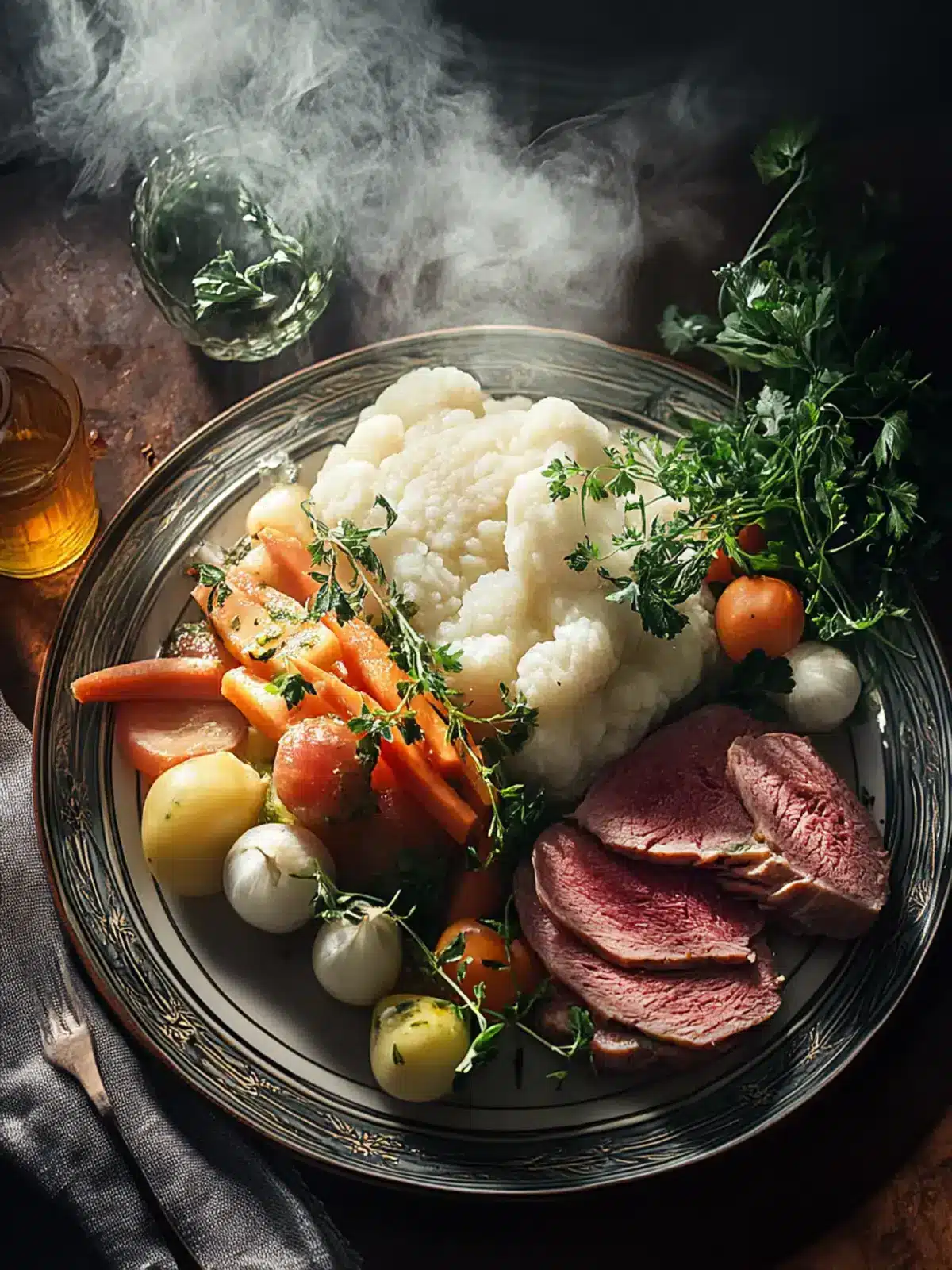
Let’s get cooking! Here’s how to make the ultimate comforting corned beef dinner step by step.
- Rinse and prep the corned beef – Take the brisket out of its package and give it a quick rinse under cold water. This washes off some of the surface brine. Pat it dry with paper towels. Don’t throw away the seasoning packet that comes with it—you’ll use that later.
- Place the brisket in your pot – Put the corned beef fat-side up in your Dutch oven or stockpot. This helps the fat render down and keeps the meat juicy. Add the seasoning packet, bay leaves, and black peppercorns on top.
- Cover with liquid – Pour in enough water or beef broth to fully submerge the brisket. I usually use about 8 to 10 cups. The meat should be completely covered.
- Bring to a boil, then simmer – Set the pot over high heat and bring the liquid to a boil. Once it’s boiling, reduce the heat to low, cover the pot, and let it simmer gently. You want small bubbles, not a rolling boil. Let it cook for 2 hours and 30 minutes.
- Add the vegetables – After 2.5 hours, carefully add the onion quarters, carrot pieces, and baby potatoes to the pot. Nestle them around the brisket. Cover the pot again and let everything simmer for another 20 minutes.
- Add the cabbage – After 20 minutes, add the cabbage wedges to the pot. Push them down into the liquid as much as possible. Cover and cook for an additional 15 to 20 minutes, until the cabbage is tender but not falling apart.
- Check for doneness – The corned beef is ready when a fork slides into the thickest part with little resistance. The vegetables should be fork-tender but still holding their shape.
- Rest the meat – Using tongs, carefully transfer the brisket to a cutting board. Let it rest for 10 minutes before slicing. This is crucial—if you slice it right away, all those beautiful juices will run out.
- Slice against the grain – Use your sharp chef’s knife to slice the brisket against the grain. This means cutting perpendicular to the lines of muscle fiber. The slices should be about 1/4-inch thick. If they shred, your knife is too dull or you’re cutting with the grain.
- Serve it up – Arrange the sliced meat on a platter surrounded by the vegetables. Spoon a little of the cooking liquid over everything for extra moisture. Serve immediately.
Cooking Tips & Techniques
I’ve made every mistake in the book with corned beef, so you don’t have to. Here are my best tips for nailing this ultimate comforting corned beef dinner every time.
Don’t rush the simmer. The low-and-slow method is non-negotiable. If you boil the meat aggressively, it will turn tough and stringy. Keep the heat low enough that you see gentle bubbles rising to the surface—nothing more.
Skim the foam. During the first 30 minutes of simmering, you’ll notice some grayish foam floating on top. That’s just impurities and excess fat. Skim it off with a spoon for a cleaner, clearer broth.
Add vegetables in stages. This is the biggest mistake I used to make. I’d throw everything in at once, and the potatoes would be mushy while the cabbage was still crunchy. Adding them in stages ensures each vegetable is cooked perfectly.
Use the leftover liquid. Don’t pour that cooking liquid down the drain! It’s liquid gold. You can use it as a base for soup, to cook rice, or simply as a light broth to sip on. I sometimes reduce it down and use it as a quick sauce for the meat.
Let it rest. I cannot stress this enough. That 10-minute rest is what separates tender, juicy corned beef from dry, crumbly corned beef. Walk away, make a quick side salad, or set the table. Your patience will pay off.
Variations & Adaptations
This recipe is wonderfully flexible. Here are a few ways to switch things up:
- Low-Carb Version: Skip the potatoes and add extra cabbage and carrots. You can also toss in some turnips or rutabagas for a lower-carb root vegetable option.
- Spicy Kick: Add a teaspoon of red pepper flakes or a chopped jalapeño to the pot along with the seasoning packet. The heat pairs beautifully with the salty corned beef.
- Beer-Braised Corned Beef: Replace 1 cup of the water with a dark beer like Guinness or a stout. The beer adds a rich, malty depth that’s absolutely incredible. Just be careful not to use an overly hoppy beer—it can turn bitter.
- Slow Cooker Method: Place the rinsed corned beef in your slow cooker, add the seasoning packet and enough water to cover it halfway (not fully). Cook on low for 8 to 10 hours. Add the vegetables during the last 2 hours of cooking. This is perfect for busy days when you want dinner ready when you walk through the door.
- Instant Pot Adaptation: Cook the corned beef on high pressure for 90 minutes with a natural release. Then add the vegetables and cook on high pressure for another 5 minutes with a quick release. Total time drops to under 2 hours.
I personally love the beer-braised version. It makes the meat taste almost like it’s been marinated, and the broth becomes this deeply savory nectar that’s perfect for dipping crusty bread.
Serving & Storage Suggestions
This dish is best served hot, straight from the pot. I like to arrange the sliced corned beef on a large platter and surround it with the vegetables. A sprinkle of fresh parsley or a drizzle of whole-grain mustard on the side adds a nice finishing touch.
What to serve with it: A simple side of crusty bread or Irish soda bread is perfect for soaking up the broth. You could also serve it with a side of creamy horseradish sauce or a tangy mustard for dipping. If you’re looking for a lighter side, a crisp green salad with a lemon vinaigrette balances the richness beautifully. For another cozy one-pot meal, try my cozy creamy chicken pot pie soup—it’s just as comforting on a cold night.
Storage: Leftovers keep well in the refrigerator for up to 4 days. Store the meat and vegetables separately in airtight containers. The meat can dry out if left sitting in the liquid, so I recommend keeping them apart.
Reheating: The best way to reheat corned beef is gently. Place the slices in a skillet with a splash of the reserved cooking liquid or some beef broth. Cover and warm over low heat for 5 to 7 minutes. This prevents the meat from drying out. You can also microwave it, but be careful—30-second bursts work better than a long, continuous blast.
Freezing: Corned beef freezes surprisingly well. Slice the meat, wrap it tightly in plastic wrap and then foil, and freeze for up to 3 months. Thaw overnight in the refrigerator before reheating. The vegetables don’t freeze as well—they tend to get mushy—so I recommend freezing only the meat.
One thing I’ve noticed: the flavors actually deepen overnight. Day-old corned beef is almost better than fresh. The salt mellows out, and the spices become more pronounced. So don’t be sad if you have leftovers—you’re in for a treat.
Nutritional Information & Benefits
Here’s a rough estimate of the nutritional breakdown per serving (based on 6 servings):
- Calories: Approximately 450-500
- Protein: 35g
- Fat: 22g
- Carbohydrates: 30g
- Fiber: 6g
- Sodium: 1200mg (varies by brand)
Corned beef is a good source of protein, iron, and B vitamins, particularly B12. The cabbage adds a healthy dose of vitamin C and fiber, while the carrots provide beta-carotene and antioxidants. This meal is naturally gluten-free and dairy-free, making it a great option for those with dietary restrictions.
If you’re watching your sodium, rinsing the brisket and using low-sodium broth can help cut the salt content significantly. I also like to serve this with a side of steamed green beans or a simple cucumber salad to add extra nutrients and freshness.
Conclusion
This ultimate comforting corned beef dinner is more than just a meal—it’s a tradition waiting to happen. It’s the kind of dish that fills your home with warmth and your belly with satisfaction. The best part? It’s forgiving. You can tweak the vegetables, swap the liquid, or adjust the cooking time, and it still comes out delicious.
I hope you give this recipe a try and make it your own. Maybe you’ll add more garlic, or throw in some parsnips, or serve it with a dollop of mustard. Whatever you do, don’t forget to let the meat rest. That little step makes all the difference.
If you make this ultimate comforting corned beef dinner, I’d love to hear about it. Drop a comment below and let me know how it turned out. Did you try a variation? What did you serve with it? Your feedback helps other readers (and me!) create even better meals. And if you’re looking for another hearty one-pot dinner, check out this effortless crock pot beef bites recipe—it’s just as easy and satisfying.
Now go on—get that pot simmering. Your taste buds will thank you.
Frequently Asked Questions
Can I use a different cut of beef for this recipe?
Corned beef is specifically a brisket that’s been cured in a brine. While you could use a regular beef brisket, it won’t have the same salty, spiced flavor. If you want to try something different, a beef chuck roast works in a pinch, but the texture will be slightly different.
How do I know when the corned beef is fully cooked?
The easiest test is the fork test. Insert a fork into the thickest part of the brisket. If it slides in easily with little resistance, it’s done. The internal temperature should be around 190°F to 205°F for the most tender results.
Can I make this recipe in a slow cooker?
Absolutely! Place the rinsed corned beef in the slow cooker, add the seasoning packet and enough water to cover it halfway. Cook on low for 8 to 10 hours. Add the vegetables during the last 2 hours of cooking. It’s a fantastic hands-off method.
Why is my corned beef tough?
Tough corned beef usually means it was cooked at too high a temperature or not long enough. The collagen in the brisket needs time to break down, which happens during a long, gentle simmer. If your meat is tough, let it cook for another 30 to 60 minutes on low heat.
Can I freeze the leftovers?
Yes, but I recommend freezing only the meat. Slice it, wrap it tightly in plastic wrap and foil, and freeze for up to 3 months. The vegetables tend to get mushy after freezing and thawing, so enjoy those fresh or within a few days in the fridge.
Pin This Recipe!
Ultimate Comforting Corned Beef Dinner – Easy One-Pot Meal

A hearty one-pot corned beef dinner with tender brisket, cabbage, potatoes, and carrots, simmered low and slow for maximum flavor. Perfect for busy weeknights when only real comfort food will do.
- Prep Time: 15 minutes
- Cook Time: 3 hours 10 minutes
- Total Time: 3 hours 25 minutes
- Yield: 6 servings 1x
- Category: Main Course
- Cuisine: Irish-American
Ingredients
- 3 to 4 pounds corned beef brisket (with seasoning packet)
- 1 head green cabbage (about 2 pounds), cut into wedges
- 1.5 pounds baby potatoes (or Yukon Gold potatoes, halved)
- 4 large carrots, peeled and cut into 2-inch pieces
- 1 medium yellow onion, quartered
- 2 bay leaves
- 1 teaspoon black peppercorns (optional)
- Water or low-sodium beef broth (enough to cover the meat)
Instructions
- Rinse the corned beef under cold water and pat dry with paper towels. Do not discard the seasoning packet.
- Place the brisket fat-side up in a large Dutch oven or stockpot. Add the seasoning packet, bay leaves, and black peppercorns.
- Pour in enough water or beef broth to fully submerge the brisket (about 8 to 10 cups).
- Bring to a boil over high heat, then reduce heat to low, cover, and simmer gently for 2 hours and 30 minutes.
- After 2.5 hours, add the onion quarters, carrot pieces, and baby potatoes to the pot. Nestle them around the brisket. Cover and simmer for another 20 minutes.
- Add the cabbage wedges to the pot, pushing them down into the liquid. Cover and cook for an additional 15 to 20 minutes, until the cabbage is tender but not falling apart.
- Check the corned beef for doneness: a fork should slide into the thickest part with little resistance. Vegetables should be fork-tender.
- Using tongs, transfer the brisket to a cutting board and let it rest for 10 minutes before slicing.
- Slice the brisket against the grain into 1/4-inch thick slices.
- Arrange the sliced meat on a platter surrounded by the vegetables. Spoon a little cooking liquid over everything and serve immediately.
Notes
Don’t rush the simmer; low heat is key for tender meat. Skim foam during the first 30 minutes. Add vegetables in stages for perfect texture. Let the meat rest for 10 minutes before slicing to keep juices locked in. Reserve cooking liquid for soup or rice. For a low-sodium version, rinse the brisket before cooking and use low-sodium broth.
Nutrition
- Serving Size: 1 serving (about 1/6
- Calories: 475
- Sugar: 8
- Sodium: 1200
- Fat: 22
- Saturated Fat: 8
- Carbohydrates: 30
- Fiber: 6
- Protein: 35
Keywords: corned beef, one-pot meal, comfort food, cabbage, potatoes, carrots, St. Patrick's Day, easy dinner