Love this? Save it for later!
Share the inspiration with your friends
The chicken was already in the pan, skin-side down, when I realized I had forgotten to turn on the oven. Classic move. I was trying to recreate this dish I’d had at a little Italian place downtown—the one where the chicken comes out crispy on the outside, tender inside, swimming in this buttery garlic wine sauce with potatoes that soak up every last drop. I stood there for a second, spatula in hand, wondering if I should just give up and order takeout. But the sizzle of that chicken skin hitting the hot pan pulled me back in. It smelled too good to abandon.
That first attempt was a mess, honestly. The potatoes were undercooked, the sauce broke, and I ended up picking at the chicken straight from the pan while standing over the sink. But something about that combination—crispy chicken, soft potatoes, that ridiculous garlic wine sauce—stuck with me. I made it again the next week. And the week after that. Each time, I tweaked something. Less wine. More garlic. A splash of chicken broth to keep things from getting too greasy. I started paying attention to how the sauce looked when it came together, that moment when the butter and wine stop fighting and just become one silky, golden thing.
This Easy Gourmet Chicken Vesuvio with Garlic Wine Sauce is the version I finally stopped messing with. It’s the one my sister asked me to make for her birthday dinner. The one my neighbor texted me about at 9 PM after I dropped off a container on her porch. It feels fancy—like something you’d order at a restaurant and try to figure out how to replicate at home—but it’s really just a one-pan dinner that comes together in under an hour. No complicated techniques, no ingredients you have to hunt down at three different stores. Just good chicken, good potatoes, and a sauce that makes you want to lick the plate.
Why You’ll Love This Recipe
I’ve tested this Chicken Vesuvio more times than I care to count, and every single time, it delivers. Here’s why this version stands out from the dozens of recipes floating around out there:
- One-Pan Magic: Everything cooks in a single skillet or Dutch oven. The chicken gets seared, the potatoes get golden, and the sauce comes together right in the same pan. Less cleanup, more flavor.
- Restaurant-Quality at Home: That garlic wine sauce tastes like something a chef spent hours perfecting. But it’s just butter, garlic, white wine, and broth coming together in about 10 minutes. No cream, no complicated reductions.
- Crispy Chicken Skin: The key is starting the chicken skin-side down in a cold pan and letting it render slowly. That’s the trick that gives you crackling-crisp skin every single time—no splattering oil burns required.
- Perfect for Company: This is the kind of meal you pull out when you want to impress without stress. It looks beautiful on a platter, it smells incredible, and people always ask for the recipe.
- Flexible & Forgiving: You can swap the potatoes for carrots or parsnips, use boneless thighs instead of bone-in, or add mushrooms if you have them. The base recipe is sturdy enough to handle substitutions.
What really sets this apart is the balance. The chicken stays juicy because it finishes cooking in the oven, not on the stovetop where it can dry out. The potatoes get that perfect texture—tender inside, crispy edges—because they par-cook in the sauce before going into the oven. And that garlic wine sauce? It’s not too heavy, not too thin. It coats everything just right, with enough left over to spoon over rice or crusty bread. This isn’t just another chicken dinner. It’s the one you’ll keep coming back to.
What Ingredients You Will Need
This recipe relies on simple, everyday ingredients that work together to create something genuinely special. You probably have most of these in your kitchen right now.
- Chicken thighs (bone-in, skin-on): I use about 2 pounds, which is usually 4 to 6 thighs. The bone keeps the meat juicy during roasting, and the skin gets beautifully crispy. If you prefer breasts, go with bone-in, skin-on for best results, but reduce the oven time by about 5 minutes.
- Yukon Gold potatoes: About 1.5 pounds, cut into 1-inch chunks. These hold their shape well and get that creamy interior without falling apart. Russets work too, but they’re starchier and might break down a bit more in the sauce.
- Garlic: A full head, separated into cloves and smashed. Don’t skimp here—the garlic mellows as it cooks and becomes sweet and spreadable. I’ve tried pre-minced garlic in a pinch, and honestly, fresh cloves make a noticeable difference in the sauce.
- Dry white wine: One cup. Use something you’d actually drink—a Sauvignon Blanc or Pinot Grigio works beautifully. The wine adds acidity that cuts through the richness of the chicken and butter.
- Chicken broth: Half a cup, low-sodium if you can find it. This helps control the salt level since the wine and butter already bring plenty of flavor.
- Unsalted butter: 4 tablespoons, divided. We use some for searing the chicken and some for finishing the sauce. Using unsalted lets you control the saltiness.
- Olive oil: 2 tablespoons, for searing. A good extra virgin olive oil adds a subtle fruity note, but regular olive oil works just fine.
- Dried oregano: 1 teaspoon. This is classic in Chicken Vesuvio. If you have fresh oregano, use about a tablespoon, chopped.
- Fresh rosemary: 2 sprigs. Rosemary and chicken are a match made in heaven. Dried rosemary works in a pinch, but fresh really shines here.
- Frozen peas: Half a cup, thawed. They add a pop of color and sweetness. Totally optional, but I love the contrast.
- Salt and black pepper: To taste. I use kosher salt for its clean flavor and easy pinching.
- Lemon juice: 1 tablespoon, fresh squeezed. A little brightness at the end wakes up all the flavors.
- Fresh parsley: For garnish. It makes the dish look finished and adds a fresh note.
I personally prefer using Bell & Evans chicken when I can find it—the skin crisps up beautifully and the meat stays tender. For wine, a bottle of Kim Crawford Sauvignon Blanc has never let me down in this recipe. And if you’re out of fresh rosemary, dried works, but use about half the amount since dried herbs are more concentrated.
Equipment Needed
You don’t need a fancy kitchen to pull this off. Here’s what you’ll actually use:
- Large oven-safe skillet or Dutch oven: A 12-inch cast iron skillet is my go-to. It holds heat beautifully and goes from stovetop to oven without any fuss. A stainless steel or enameled cast iron Dutch oven works too. Avoid nonstick if you can—you want those browned bits on the bottom for the sauce.
- Tongs: For flipping the chicken and moving the potatoes around. A good pair of locking tongs makes life so much easier.
- Cutting board and chef’s knife: For prepping the potatoes, garlic, and herbs. Nothing fancy needed.
- Measuring cups and spoons: For the wine, broth, and seasonings. I keep a set of dry measuring cups and a liquid measuring cup handy.
- Meat thermometer: Not strictly necessary, but it takes the guesswork out. Chicken thighs are done at 165°F, but honestly, they’re perfectly juicy even a few degrees higher.
- Aluminum foil: For tenting the chicken while it rests. Patience is hard, but that resting time makes a difference.
If you don’t have an oven-safe skillet, you can transfer the chicken and potatoes to a baking dish before finishing in the oven. Just scrape all those browned bits into the dish too—that’s where the flavor lives.
Preparation Method
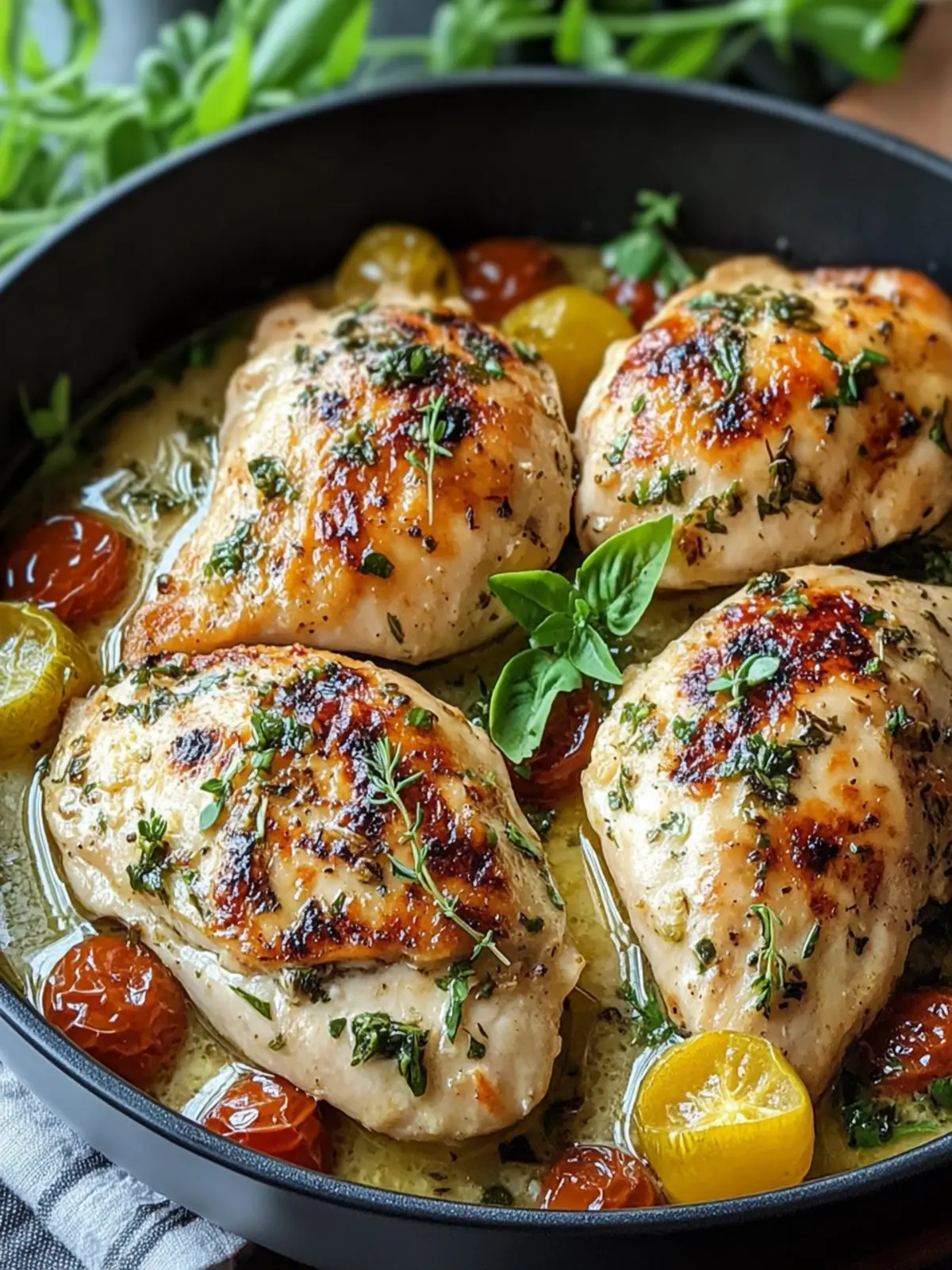
Let’s walk through this step by step. I’ll tell you exactly what to look for at each stage so you know you’re on the right track.
Step 1: Preheat and Prep
Preheat your oven to 400°F (200°C). Pat the chicken thighs dry with paper towels—this is crucial for crispy skin. Season them generously on both sides with salt and pepper. Don’t be shy with the salt; it’s the only chance to season the meat directly. Let the chicken sit at room temperature while you prep the potatoes and garlic.
Step 2: Par-Cook the Potatoes
Place the potato chunks in a microwave-safe bowl with 2 tablespoons of water. Cover with a plate and microwave for 4 minutes. They should be slightly tender but not fully cooked. This step saves you about 15 minutes of oven time and ensures the potatoes cook through without drying out. If you don’t have a microwave, you can boil them in salted water for 5 minutes instead.
Step 3: Sear the Chicken
Heat your oven-safe skillet over medium-high heat. Add 2 tablespoons of butter and 2 tablespoons of olive oil. Once the butter stops foaming, place the chicken thighs skin-side down in the skillet. Don’t crowd the pan—work in batches if needed. Let them cook undisturbed for 6 to 7 minutes. The skin should be deep golden brown and release easily from the pan. Flip and cook for another 3 minutes on the other side. Transfer the chicken to a plate. The skin should be crispy and crackling, not flabby.
Step 4: Cook the Aromatics
Reduce the heat to medium. Add the smashed garlic cloves to the pan and cook for about 1 minute, stirring constantly. They should become fragrant and lightly golden. Add the par-cooked potatoes in a single layer. Let them cook for 4 to 5 minutes, turning occasionally, until they develop golden spots on all sides. Sprinkle the dried oregano over everything and stir to coat.
Step 5: Build the Sauce
Pour in the white wine and scrape the bottom of the pan with a wooden spoon to release all those browned bits. Let the wine simmer for 2 minutes, reducing slightly. Add the chicken broth and the fresh rosemary sprigs. Stir everything together and let it bubble for another minute. The sauce should look slightly thickened and smell incredible.
Step 6: Assemble and Roast
Nestle the chicken thighs back into the skillet, skin-side up, tucking them between the potatoes. Spoon some of the sauce over the chicken. Transfer the skillet to the preheated oven and roast for 20 to 25 minutes. The chicken should reach 165°F internally, and the potatoes should be tender when pierced with a fork. The sauce will reduce and concentrate beautifully.
Step 7: Finish and Rest
Remove the skillet from the oven. Carefully transfer the chicken and potatoes to a serving platter, leaving the sauce in the skillet. Place the skillet over medium heat and add the remaining 2 tablespoons of butter, the lemon juice, and the thawed peas. Whisk until the butter melts and the sauce comes together—about 1 minute. Taste and adjust salt and pepper. Pour the sauce over the chicken and potatoes, garnish with fresh parsley, and let it rest for 5 minutes before serving. I know waiting is hard, but this rest lets the juices redistribute.
Cooking Tips & Techniques
After making this dish more times than I can count, here are the things I wish someone had told me from the start:
Don’t move the chicken too early. That first sear is where the magic happens. If you try to flip the chicken and it sticks, it’s not ready. Give it another minute. The skin will release naturally when it’s properly browned. I learned this the hard way after tearing the skin off three thighs in a row.
Smash the garlic, don’t mince it. Smashed cloves release flavor slowly as they cook, becoming sweet and mellow. Minced garlic burns easily and can turn bitter. Just lay the flat side of your knife on each clove and give it a firm smack. The cloves will break open and release their papery skins easily.
Watch your wine choice. I once used a cheap cooking wine because I was in a hurry, and the sauce came out harsh and metallic. Use something you’d actually drink. A $10 bottle of Sauvignon Blanc is perfect. If you don’t drink wine, you can substitute with additional chicken broth plus a tablespoon of lemon juice, but it won’t be quite the same.
Let the pan do the work. When you add the wine, scrape up all those browned bits from the bottom of the pan. That’s called deglazing, and those bits are pure flavor. If they burn onto the pan, you’ve lost that flavor. Keep the heat at medium and add the wine before the bits get too dark.
Potato size matters. Cut your potato chunks into uniform 1-inch pieces. If some are bigger than others, they won’t cook evenly. I aim for chunks that are roughly the size of a golf ball. Too small and they’ll turn to mush; too big and they’ll be crunchy in the middle.
Rest the chicken. I know you’re hungry. I know it smells amazing. But giving the chicken 5 minutes to rest before serving makes a real difference. The juices settle back into the meat instead of running all over your plate. Use that time to finish the sauce and set the table.
Variations & Adaptations
This recipe is surprisingly flexible. Here are a few ways to change it up:
Lemon-Herb Chicken Vesuvio: Add the zest of one lemon along with the wine, and throw in a few sprigs of fresh thyme alongside the rosemary. The lemon brightens everything up and makes it feel even more spring-like. I made this version for Easter brunch and it was a hit.
Mushroom and Thyme Version: After removing the chicken, add 8 ounces of sliced cremini mushrooms to the pan and cook until they release their liquid and start browning, about 5 minutes. Then proceed with the garlic and potatoes. The mushrooms soak up the wine sauce beautifully and add an earthy depth.
Spicy Arrancini Style: Add half a teaspoon of red pepper flakes along with the oregano. The heat cuts through the richness of the butter and wine. I tried this on a whim one night when I wanted something with a kick, and now it’s my go-to cold-weather version.
Dairy-Free Adaptation: Substitute the butter with a good quality vegan butter or use olive oil for the entire recipe. The sauce won’t be quite as rich, but it’s still delicious. I’ve made it this way for a friend with a dairy allergy and she asked for the recipe.
Vegetable Swap: Replace the potatoes with cauliflower florets or chunks of carrots and parsnips. The cooking time stays about the same. This is a great option if you’re watching carbs or just want to mix up your vegetable intake.
Slow Cooker Method: Sear the chicken and cook the aromatics as directed, then transfer everything to a slow cooker. Cook on low for 4 to 5 hours. The sauce will be thinner, so you can thicken it with a cornstarch slurry (1 tablespoon cornstarch mixed with 2 tablespoons cold water) stirred in during the last 30 minutes. This method is perfect for busy weekdays.
Serving & Storage Suggestions
This dish is best served hot, straight from the skillet to the table. I like to spoon the sauce over the chicken and potatoes generously, then sprinkle fresh parsley on top. Serve it with crusty bread to soak up every last drop of that garlic wine sauce—honestly, the bread is non-negotiable in my house.
For a complete meal, pair it with a simple green salad dressed with lemon vinaigrette or some steamed green beans. The acidity in the salad cuts through the richness of the chicken and sauce. If you’re feeling indulgent, a side of creamy chicken pot pie soup would be a cozy companion on a cold night.
Storage: Leftovers keep well in an airtight container in the refrigerator for up to 3 days. The flavors actually meld together and get even better overnight. The potatoes might soften a bit, but that’s not a bad thing—they soak up more sauce.
Reheating: The best way to reheat is in a skillet over medium-low heat with a splash of chicken broth or water to loosen the sauce. Cover and let it warm through for about 8 to 10 minutes. The microwave works in a pinch, but the skin won’t be crispy. For crispy skin, reheat in a 375°F oven for about 10 minutes.
Freezing: You can freeze the cooked chicken and sauce for up to 2 months. Let it cool completely, then transfer to a freezer-safe container. Thaw overnight in the refrigerator before reheating. The potatoes might get a bit mushy after freezing, so I usually make fresh potatoes when I reheat frozen chicken and sauce.
Make-Ahead Tip: You can sear the chicken and par-cook the potatoes up to a day in advance. Store them separately in the refrigerator. When you’re ready to cook, just assemble and roast. This makes it perfect for dinner parties or busy weeknights.
Nutritional Information & Benefits
Per serving (based on 4 servings), this dish provides approximately:
- Calories: 520
- Protein: 35g
- Fat: 28g
- Carbohydrates: 32g
- Fiber: 4g
- Sugar: 3g
- Sodium: 680mg
Chicken thighs are a great source of high-quality protein, iron, and B vitamins, especially B6 and B12, which support energy metabolism. The skin provides healthy fats that help your body absorb fat-soluble vitamins from the vegetables. Garlic is known for its immune-supporting properties and adds flavor without extra salt. Potatoes get a bad rap, but they’re actually a good source of potassium, vitamin C, and fiber when you eat the skin.
This recipe is naturally gluten-free and can be made dairy-free with simple substitutions. If you’re watching your sodium, use low-sodium broth and go easy on the added salt—the wine and herbs provide plenty of flavor on their own. I personally love that this dish feels indulgent but isn’t loaded with cream or excessive butter. It’s comfort food that doesn’t leave you feeling weighed down.
Conclusion
This Easy Gourmet Chicken Vesuvio with Garlic Wine Sauce is one of those recipes that makes you feel like a rockstar in the kitchen without actually having to work that hard. It’s the dish I turn to when I want to impress someone, when I need a comforting dinner after a long week, or when I just want to smell garlic and wine simmering on the stove for a while. The crispy skin, the tender potatoes, that ridiculous sauce—it all comes together in one pan with minimal fuss.
I’d love for you to try this and make it your own. Add more garlic if you’re a garlic lover like me. Throw in some mushrooms if you have them. Serve it with rice or pasta or just a fork and a good appetite. However you make it, I hope it becomes a regular in your kitchen the way it has in mine. Drop a comment below and let me know how it turned out—I genuinely read every single one. And if you’re looking for more cozy one-pan dinners, you might enjoy this creamy chicken alfredo garlic bread or this effortless crock pot beef bites for another easy weeknight win.
Happy cooking, friends. And don’t forget the bread for that sauce.
Frequently Asked Questions
Can I use chicken breasts instead of thighs?
Yes, but use bone-in, skin-on breasts for best results. Reduce the oven time by about 5 minutes since breasts cook faster. Check the internal temperature at 165°F. Boneless breasts will work too, but they’ll dry out more easily, so keep a close eye on them.
What if I don’t have white wine?
You can substitute with additional chicken broth plus a tablespoon of lemon juice or white wine vinegar. It won’t have the same depth, but it will still be delicious. Avoid red wine—it will change the flavor completely and turn the sauce an unappealing color.
Can I make this recipe ahead of time?
Absolutely. You can sear the chicken and par-cook the potatoes up to a day in advance. Store them separately in the fridge. When you’re ready to eat, just assemble and roast. The sauce can be made ahead and reheated gently before serving.
How do I get the skin extra crispy?
Start with dry chicken—pat it thoroughly with paper towels. Season and let it sit uncovered in the fridge for an hour before cooking if you have time. Sear it skin-side down in a cold pan, then turn the heat to medium-high. Don’t move it for 6 to 7 minutes. That patience pays off with crackling-crisp skin.
Can I freeze Chicken Vesuvio?
Yes, but I recommend freezing the chicken and sauce separately from the potatoes. Potatoes tend to get grainy and mushy after freezing. Cook fresh potatoes when you reheat the chicken and sauce. The chicken and sauce freeze well for up to 2 months in an airtight container.
Pin This Recipe!
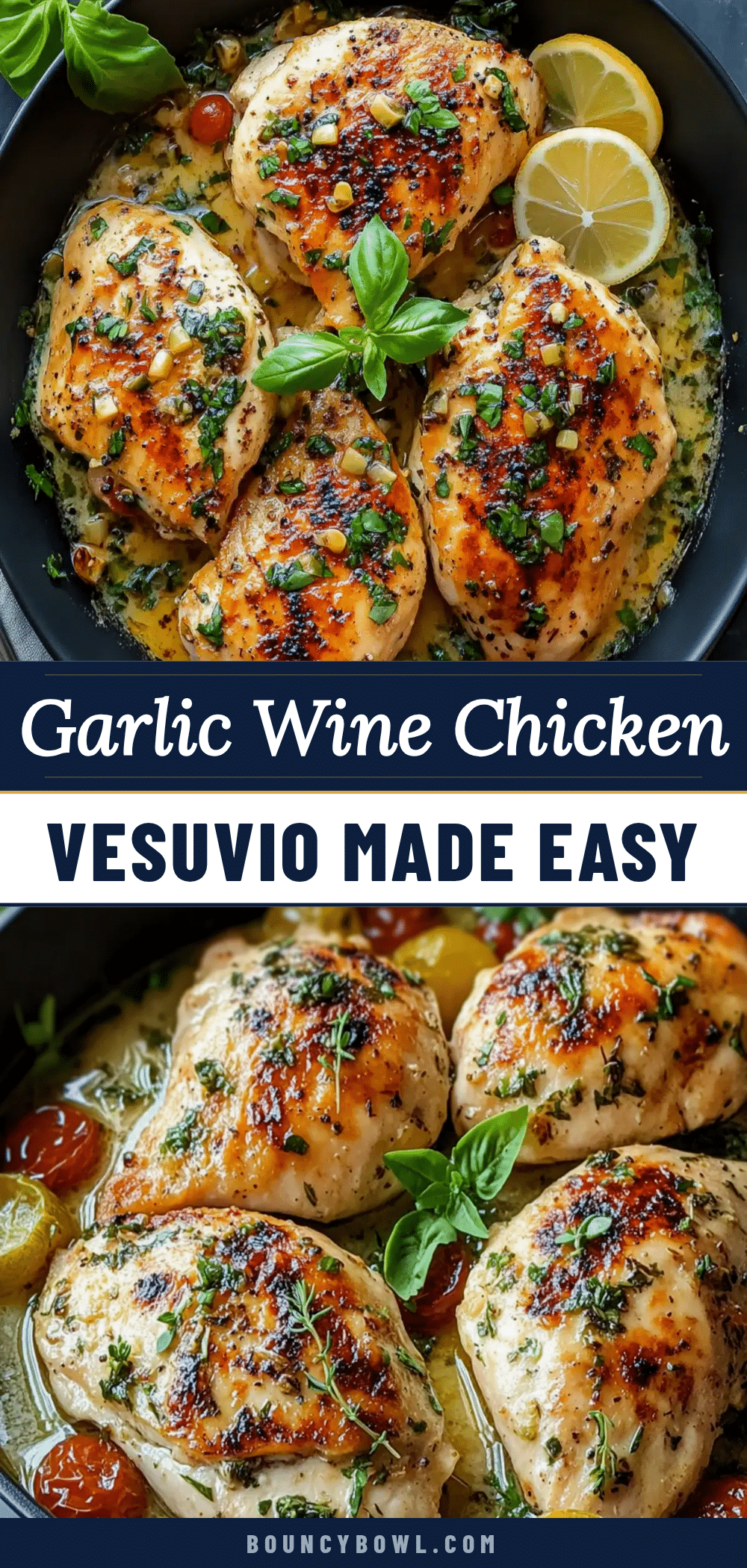
Easy Gourmet Chicken Vesuvio with Garlic Wine Sauce

A one-pan dinner featuring crispy-skinned chicken thighs and tender Yukon Gold potatoes in a buttery garlic wine sauce. This restaurant-quality meal comes together in under an hour with simple ingredients.
- Prep Time: 15 minutes
- Cook Time: 30 minutes
- Total Time: 45 minutes
- Yield: 4 servings 1x
- Category: Main Course
- Cuisine: Italian-American
Ingredients
- 2 pounds bone-in, skin-on chicken thighs (4 to 6 thighs)
- 1.5 pounds Yukon Gold potatoes, cut into 1-inch chunks
- 1 head garlic, separated into cloves and smashed
- 1 cup dry white wine (such as Sauvignon Blanc or Pinot Grigio)
- 1/2 cup low-sodium chicken broth
- 4 tablespoons unsalted butter, divided
- 2 tablespoons olive oil
- 1 teaspoon dried oregano
- 2 sprigs fresh rosemary
- 1/2 cup frozen peas, thawed
- 1 tablespoon fresh lemon juice
- Salt and black pepper to taste
- Fresh parsley for garnish
Instructions
- Preheat oven to 400°F (200°C). Pat chicken thighs dry with paper towels and season generously with salt and pepper. Let sit at room temperature while prepping potatoes and garlic.
- Place potato chunks in a microwave-safe bowl with 2 tablespoons water. Cover and microwave for 4 minutes until slightly tender. Alternatively, boil in salted water for 5 minutes.
- Heat an oven-safe skillet over medium-high heat. Add 2 tablespoons butter and 2 tablespoons olive oil. Once butter stops foaming, place chicken skin-side down in skillet. Cook undisturbed for 6 to 7 minutes until deep golden brown. Flip and cook 3 more minutes. Transfer chicken to a plate.
- Reduce heat to medium. Add smashed garlic cloves to pan and cook 1 minute until fragrant. Add par-cooked potatoes in a single layer and cook 4 to 5 minutes, turning occasionally, until golden spots appear. Sprinkle with dried oregano and stir.
- Pour in white wine and scrape bottom of pan with a wooden spoon to release browned bits. Let simmer 2 minutes. Add chicken broth and rosemary sprigs. Stir and let bubble 1 minute.
- Nestle chicken back into skillet skin-side up, tucking between potatoes. Spoon some sauce over chicken. Transfer skillet to oven and roast 20 to 25 minutes until chicken reaches 165°F internally and potatoes are tender.
- Remove skillet from oven. Transfer chicken and potatoes to a serving platter. Place skillet over medium heat, add remaining 2 tablespoons butter, lemon juice, and peas. Whisk until butter melts and sauce comes together, about 1 minute. Season with salt and pepper. Pour sauce over chicken and potatoes, garnish with parsley, and let rest 5 minutes before serving.
Notes
For extra crispy skin, pat chicken dry and let sit uncovered in fridge for 1 hour before cooking. Smash garlic cloves rather than mincing to avoid burning. Use a wine you’d drink; cheap cooking wine can taste harsh. Rest chicken 5 minutes before serving to redistribute juices. Leftovers keep in fridge up to 3 days; reheat in skillet with a splash of broth.
Nutrition
- Serving Size: 1 serving (about 1 t
- Calories: 520
- Sugar: 3
- Sodium: 680
- Fat: 28
- Saturated Fat: 10
- Carbohydrates: 32
- Fiber: 4
- Protein: 35
Keywords: chicken vesuvio, garlic wine sauce, one-pan chicken, crispy chicken thighs, Italian chicken recipe, easy dinner