Love this? Save it for later!
Share the inspiration with your friends
I was standing in the middle of my kitchen, staring at a can of red enchilada sauce I’d grabbed in a hurry, and I just couldn’t do it. The ingredient list read like a science experiment—modified corn starch, soybean oil, and a vague “natural flavors” that I didn’t trust. I’d just spent an hour rolling chicken enchiladas for a weeknight dinner, and I felt like I was about to ruin them with that sad, metallic-tasting stuff from a can.
So I did what any stubborn cook would do. I opened my pantry, grabbed a few dried chiles I had stashed from a farmers market trip weeks ago, and decided to wing it. Honestly, I wasn’t sure it would work. But ten minutes later, I was dipping a tortilla chip into the most ridiculously rich, smoky, and bold red sauce I’d ever tasted. My family didn’t even notice I’d scrapped the canned stuff. They just kept asking for more.
That moment changed how I approach Mexican-inspired cooking at home. I realized that a really good homemade enchilada sauce doesn’t require a complicated process or hard-to-find ingredients. It just needs the right balance of dried chiles, warm spices, and a little patience. And the best part? It comes together faster than you can preheat your oven. This best enchilada sauce recipe has become my go-to for everything from classic cheese enchiladas to smothered burritos and even eggs rancheros. It’s the kind of sauce that makes you wonder why you ever bought the canned stuff in the first place.
Why You’ll Love This Recipe
Let’s be real for a second. Store-bought enchilada sauce is convenient, but it’s rarely memorable. This homemade version is anything but forgettable. Here’s why this best enchilada sauce recipe will become a staple in your kitchen:
- Ready in 10 Minutes: From pantry to pot to plate in under ten minutes. No soaking dried chiles overnight, no complicated steps. Just pure, bold flavor fast.
- Simple Pantry Ingredients: You probably already have most of what you need—dried chiles, garlic, onion powder, cumin, and broth. No weird additives or preservatives.
- Perfect for Batch Cooking: This sauce freezes beautifully. Make a double batch and stash it for busy nights when you need a quick dinner win.
- Incredibly Versatile: Use it for enchiladas, yes. But also for tacos, burrito bowls, huevos rancheros, or even as a dipping sauce for crispy baked mini corn dog bites.
- Authentic Flavor Without the Work: This sauce delivers that deep, smoky, slightly spicy flavor you get from a good Mexican restaurant, but you control the heat and salt.
I’ve tested this recipe more times than I can count, tweaking the ratio of chiles to spices until it hit that sweet spot. It’s not watery like some canned versions, and it’s not so thick that it turns into paste. It’s the Goldilocks of enchilada sauces—just right. And honestly, once you taste how vibrant and fresh it is, you’ll never want to go back.
What Ingredients You Will Need
This best enchilada sauce recipe relies on a handful of pantry staples that come together to create something truly special. Each ingredient plays a role, so let’s break it down.
- Dried Guajillo Chiles (3-4): These are the backbone of the sauce. Guajillo chiles have a mild heat with sweet, fruity undertones and a gorgeous deep red color. Look for ones that are pliable and smell slightly like dried fruit. If you can’t find guajillo, ancho chiles work beautifully too—they’re a bit smokier and slightly sweeter.
- Dried Arbol Chiles (1-2): These little guys bring the heat. If you’re sensitive to spice, stick with one. If you like things fiery, go for two. You can also skip them entirely and just use guajillo for a milder sauce.
- Garlic (3-4 cloves): Fresh garlic is non-negotiable here. It adds a pungent, aromatic depth that powdered garlic just can’t replicate. I like to smash mine with the side of a knife before toasting to release more flavor.
- Onion Powder (1 teaspoon): I know, fresh onion would be ideal, but onion powder blends seamlessly into the sauce without leaving any texture. It adds a subtle sweetness that balances the heat.
- Ground Cumin (1 teaspoon): Cumin is that warm, earthy spice that makes Mexican food taste like Mexican food. Toast it briefly in the pan for extra depth.
- Dried Oregano (½ teaspoon): Mexican oregano is preferable if you have it—it’s slightly more floral and less minty than Mediterranean oregano. But regular oregano works fine in a pinch.
- All-Purpose Flour (2 tablespoons): This is the secret to a thick, luxurious sauce that clings to your enchiladas. You can substitute with a gluten-free flour blend if needed, but the texture will be slightly different.
- Low-Sodium Chicken or Vegetable Broth (2 cups): The liquid base of the sauce. Low-sodium is key here because you’ll be reducing the sauce and seasoning it later. You don’t want it to end up salty.
- Tomato Paste (2 tablespoons): This adds a touch of acidity and umami that rounds out the flavor. It also deepens the color to that gorgeous brick red.
- Salt (to taste): Start with ½ teaspoon and adjust at the end. Different broths have different salt levels, so taste as you go.
- Neutral Oil (2 tablespoons): Avocado oil or vegetable oil works well. Olive oil can be used, but it has a distinct flavor that might compete with the chiles.
Ingredient Tips: I’ve tried this best enchilada sauce recipe with both dried and fresh chiles, and dried are the way to go. Fresh chiles add a vegetal note that doesn’t quite fit. For the broth, I prefer homemade chicken broth when I have it, but a good quality store-bought brand like Kitchen Basics works perfectly. Also, if you’re feeling adventurous, you can add a pinch of smoked paprika for an extra layer of smokiness.
Equipment Needed
You don’t need a fancy kitchen to make this sauce. Here’s what you’ll need:
- Medium Skillet or Saucepan: A 10-inch skillet works great for toasting the chiles and aromatics. A heavy-bottomed saucepan ensures even heating and prevents scorching.
- Blender or Immersion Blender: This is essential for achieving that silky smooth texture. A high-speed blender like a Vitamix makes quick work of it, but a standard blender works fine too. If using an immersion blender, make sure your pot is deep enough to avoid splatters.
- Tongs: For handling the hot chiles after toasting. Trust me, you don’t want to use your fingers.
- Fine-Mesh Strainer: Optional but helpful if you want an ultra-smooth sauce. It catches any bits of chile skin that didn’t fully break down.
- Measuring Spoons and Cups: Precision matters here, especially with the spices and flour.
- Wooden Spoon or Silicone Spatula: For stirring the roux and preventing lumps.
I’ve made this sauce with both a standard blender and an immersion blender, and honestly, the immersion blender is my favorite. It saves you from having to transfer hot liquid to a blender and risk a mess. Just blend right in the pot. But if you don’t have one, a regular blender works perfectly—just vent the lid slightly to let steam escape.
Preparation Method
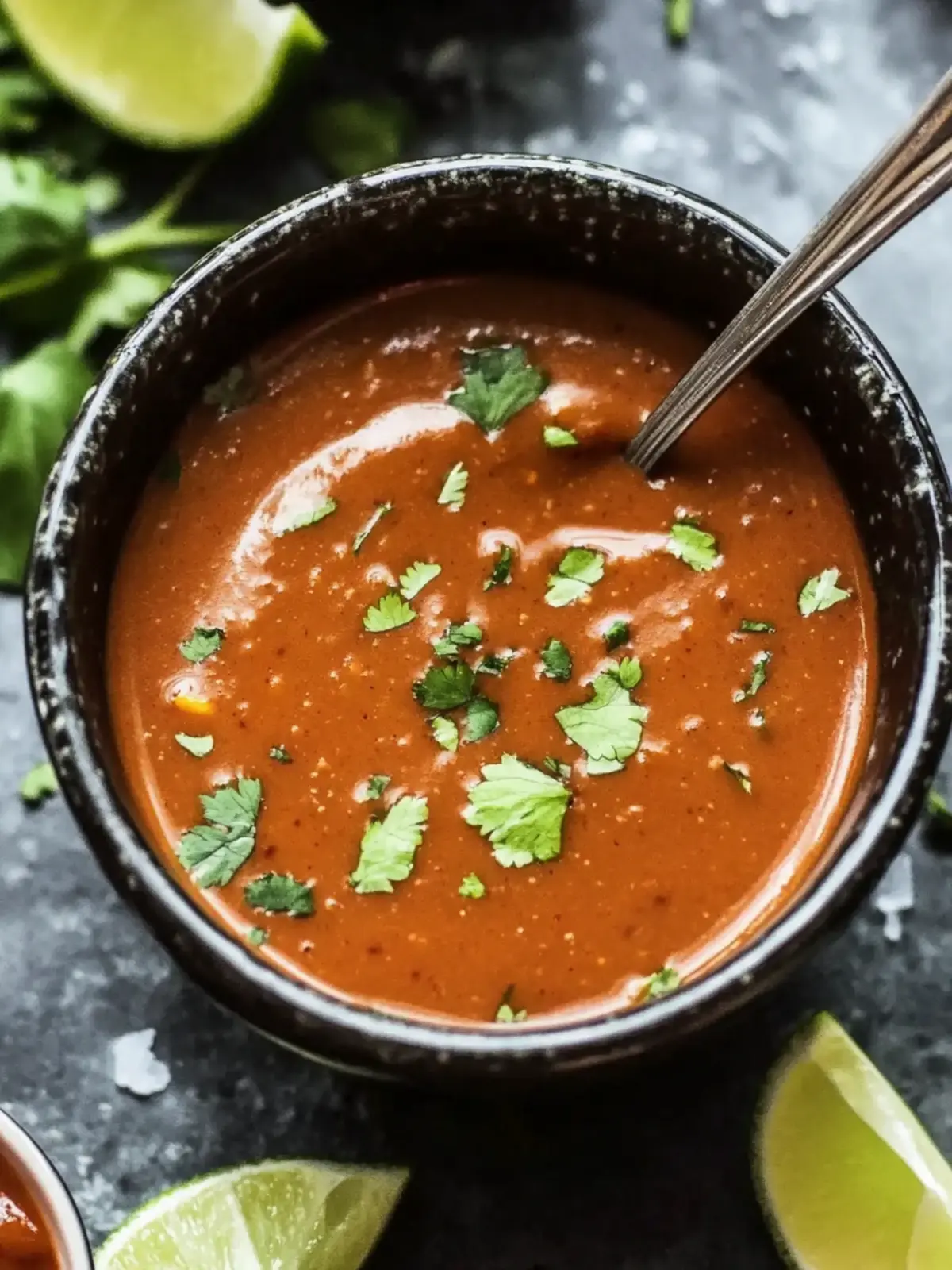
Making this best enchilada sauce recipe is straightforward, but a few key techniques make all the difference. Follow these steps, and you’ll have a sauce that tastes like it simmered for hours.
- Prepare the Chiles: Start by removing the stems and seeds from the dried guajillo and arbol chiles. You can do this by twisting off the stem and shaking out the seeds. Don’t worry about getting every single seed—a few won’t hurt. If you want a milder sauce, remove the white membranes inside the chiles, as that’s where most of the heat resides.
- Toast the Chiles: Heat your skillet over medium heat. Add the dried chiles in a single layer and toast them for about 30-60 seconds per side. You’ll know they’re ready when they become fragrant and slightly puffed. Be careful not to burn them—burnt chiles turn bitter and ruin the sauce. As soon as you smell that toasty, almost smoky aroma, pull them out.
- Soften the Chiles: Transfer the toasted chiles to a small bowl and cover them with hot water. Let them soak for about 5 minutes until they’re pliable and soft. This step rehydrates them so they blend into a smooth puree.
- Toast the Aromatics: In the same skillet, add your oil over medium heat. Smash the garlic cloves with the side of your knife and add them to the oil. Let them sizzle for about 30 seconds until fragrant. Then add the onion powder, cumin, and dried oregano. Stir constantly for about 15 seconds until the spices are toasted and aromatic.
- Make the Roux: Sprinkle the flour over the toasted spices and whisk continuously for about 1 minute. This cooks out the raw flour taste and creates a roux that will thicken your sauce beautifully. It should look like a thick, fragrant paste.
- Add the Broth and Tomato Paste: Slowly pour in the chicken broth while whisking to prevent lumps. Add the tomato paste and whisk until fully incorporated. Bring the mixture to a gentle simmer.
- Blend the Sauce: Drain the soaked chiles and add them to the simmering broth mixture. If you’re using a blender, carefully transfer the entire mixture to your blender (let it cool slightly first if you’re nervous about hot liquid splashing). Blend on high for 1-2 minutes until completely smooth. If using an immersion blender, blend directly in the pot until silky.
- Season and Simmer: Return the blended sauce to the skillet (if you used a blender). Bring it to a gentle simmer over medium-low heat. Season with salt to taste. Let it simmer for 2-3 minutes to meld the flavors. The sauce should be thick enough to coat the back of a spoon but still pourable.
- Strain (Optional): If you want an ultra-smooth sauce, pour it through a fine-mesh strainer into a clean bowl. This catches any bits of chile skin that didn’t fully break down. I usually skip this step because I don’t mind a little texture, but it’s nice for a polished presentation.
- Cool and Use: Let the sauce cool slightly before using it in your enchiladas. It will thicken a bit more as it cools. If it gets too thick, thin it with a splash of broth or water.
Sensory Cues: When toasting the chiles, you should smell a warm, almost nutty aroma. The roux should look like a golden-brown paste. The finished sauce should be a deep, rich red with a glossy sheen. Taste it—it should be savory, slightly smoky, and have a gentle warmth that lingers on your tongue.
Cooking Tips & Techniques
I’ve made this best enchilada sauce recipe more times than I can count, and I’ve learned a few things the hard way. Here are my best tips to ensure success every time.
Don’t Overcook the Chiles: The first time I made this, I got distracted and let the chiles toast for too long. The sauce came out bitter and had to be tossed. Watch them like a hawk—they go from toasted to burnt in seconds.
Toast Your Spices: This is a game-changer. Toasting cumin and oregano in oil releases their essential oils and makes them exponentially more flavorful. Don’t skip this step, even if you’re in a hurry.
Use a Splatter Guard: When blending hot liquids, use a splatter guard or vent the blender lid slightly to let steam escape. I’ve had sauce explode all over my kitchen ceiling, and it’s not fun to clean up.
Taste as You Go: Everyone’s palate is different. I like my sauce on the spicier side with a bold cumin flavor, but you might prefer it milder. Taste after blending and adjust the salt, heat, and spices to your liking.
Make It Ahead: This sauce actually tastes better the next day. The flavors meld and deepen overnight. So if you’re planning a big dinner, make the sauce a day ahead and store it in the fridge.
Thicken or Thin as Needed: If your sauce is too thin, let it simmer a few extra minutes to reduce. If it’s too thick, add a splash of broth. The perfect consistency is like heavy cream—thick enough to coat a spoon but still pourable.
Common Mistake to Avoid: Adding too much flour. I once doubled the flour by accident, and the sauce turned into a pasty mess. Stick to the 2 tablespoons, and you’ll be fine.
Variations & Adaptations
This best enchilada sauce recipe is incredibly adaptable. Here are some of my favorite variations:
- Smoky Chipotle Version: Add 1-2 chipotle peppers in adobo sauce to the blender along with the chiles. This gives the sauce a deep, smoky heat that’s perfect for beef enchiladas or smothered burritos.
- Green Enchilada Sauce: Swap the dried red chiles for 6-8 tomatillos (husked and rinsed) and 2-3 jalapeños. Roast them under the broiler until charred, then blend with the same spices and broth. It’s bright, tangy, and completely different from the red version.
- Mild Family-Friendly Version: Skip the arbol chiles entirely and use only guajillo or ancho chiles. Add a pinch of sugar to balance the acidity of the tomato paste. This version is kid-approved and pairs beautifully with savory impossible pie for a comforting dinner.
- Dairy-Free Creamy Version: After blending, stir in ¼ cup of full-fat coconut milk or cashew cream. It creates a luxuriously creamy sauce that’s perfect for vegan enchiladas.
- Extra Garlic Lover’s Version: Roast an entire head of garlic, squeeze out the soft cloves, and blend them into the sauce. It adds a sweet, mellow garlic flavor that’s absolutely addictive.
I once made a smoky chipotle version of this sauce and used it to smother a batch of chicken pot pie hand pies for a fun fusion dinner. It was weirdly perfect—the creamy hand pies with that smoky, spicy sauce. Sometimes the best recipes come from happy accidents.
Serving & Storage Suggestions
This best enchilada sauce recipe is incredibly versatile. Here’s how to serve and store it.
Serving Suggestions: Use this sauce immediately for classic cheese enchiladas, chicken enchiladas, or beef enchiladas. It’s also fantastic drizzled over huevos rancheros, used as a base for chilaquiles, or spooned over crispy tacos. I even love it as a dipping sauce for crispy baked mini corn dog bites—the smoky heat pairs perfectly with the sweet corn batter.
Storage Instructions: Store leftover sauce in an airtight container in the refrigerator for up to 5 days. The flavors will actually deepen and improve over the first 24 hours.
Freezing Instructions: This sauce freezes beautifully. Pour it into a freezer-safe bag or container, leaving a little room for expansion. It will keep for up to 3 months. To thaw, transfer it to the refrigerator overnight or run the sealed bag under warm water for a quick thaw.
Reheating Methods: Reheat the sauce gently in a saucepan over medium-low heat, stirring occasionally. If it’s too thick after thawing, add a splash of broth or water to loosen it up. You can also reheat it in the microwave in 30-second bursts, stirring between each.
Flavor Development: The sauce will thicken slightly as it sits in the fridge. Don’t be alarmed—just thin it with a little broth when you reheat it. The flavor will be even more complex and delicious on day two.
Nutritional Information & Benefits
This best enchilada sauce recipe is not only delicious but also surprisingly nutritious. Here’s a rough estimate per ¼ cup serving:
- Calories: Approximately 45-55
- Fat: 3-4 grams (from healthy oils)
- Carbohydrates: 5-6 grams
- Fiber: 1-2 grams (from the chiles)
- Protein: 1-2 grams
- Sodium: 200-300 mg (depending on broth and salt)
Health Benefits: Dried chiles are packed with vitamins A and C, which support immune health and vision. They also contain capsaicin, a compound known for its anti-inflammatory properties. Cumin is rich in iron and aids digestion. Garlic is a natural immune booster. This sauce is naturally gluten-free (if you use a gluten-free flour blend) and dairy-free, making it suitable for a variety of dietary needs.
Dietary Considerations: This recipe is naturally vegan and dairy-free. To make it gluten-free, substitute the all-purpose flour with a 1:1 gluten-free flour blend or cornstarch (use 1 tablespoon cornstarch mixed with 2 tablespoons cold water to make a slurry). It’s also low in sugar and free from artificial additives.
Personal Wellness Perspective: I love that this sauce lets me control exactly what goes into my food. No hidden preservatives, no excessive sodium, no mystery ingredients. It’s real food that tastes incredible, and that’s a win in my book.
Conclusion
This best enchilada sauce recipe has completely changed how I approach Mexican-inspired meals at home. It’s proof that you don’t need a dozen exotic ingredients or hours of simmering to create something truly authentic and delicious. In just 10 minutes, you can have a sauce that’s smoky, bold, and bursting with flavor—the kind of sauce that makes every dish it touches feel special.
I love that this recipe is forgiving enough for beginners but rewarding enough for experienced cooks. You can tweak the heat, adjust the spices, and make it your own. That’s the beauty of homemade cooking—it’s yours, and it’s always better than anything from a can.
So go ahead, give this sauce a try. Roll up some enchiladas, smother a burrito, or just dip a spoon in it (no judgment here). And when you do, come back and let me know how it turned out. Did you add extra chipotle? Did you try the green version? I’d love to hear about your creations. Share your photos, leave a comment, and tag me on social media. Happy cooking, friend!
Frequently Asked Questions
Can I use this sauce for other dishes besides enchiladas?
Absolutely! This sauce is incredibly versatile. Use it as a base for chilaquiles, drizzle it over eggs for huevos rancheros, mix it into rice for a quick Mexican-style side, or use it as a dipping sauce for taquitos and quesadillas.
How can I make this sauce less spicy?
To reduce the heat, simply omit the arbol chiles entirely and use only guajillo or ancho chiles. You can also remove the seeds and membranes from any chiles you do use, as that’s where most of the heat resides. Adding a pinch of sugar can also help balance the spice.
Can I use fresh chiles instead of dried?
You can, but the flavor will be different. Fresh chiles have a brighter, more vegetal taste, while dried chiles offer a deeper, smokier, and more concentrated flavor. For this recipe, dried chiles are strongly recommended for the best results.
How long does homemade enchilada sauce last in the fridge?
Stored in an airtight container, this sauce will keep in the refrigerator for up to 5 days. The flavors will actually deepen and become more complex over the first 24 hours, so making it a day ahead is a great idea.
Can I freeze this enchilada sauce?
Yes, this sauce freezes beautifully. Pour it into a freezer-safe bag or container, leaving a little room for expansion. It will keep for up to 3 months. Thaw overnight in the refrigerator and reheat gently on the stovetop, adding a splash of broth if needed to thin it out.
Pin This Recipe!
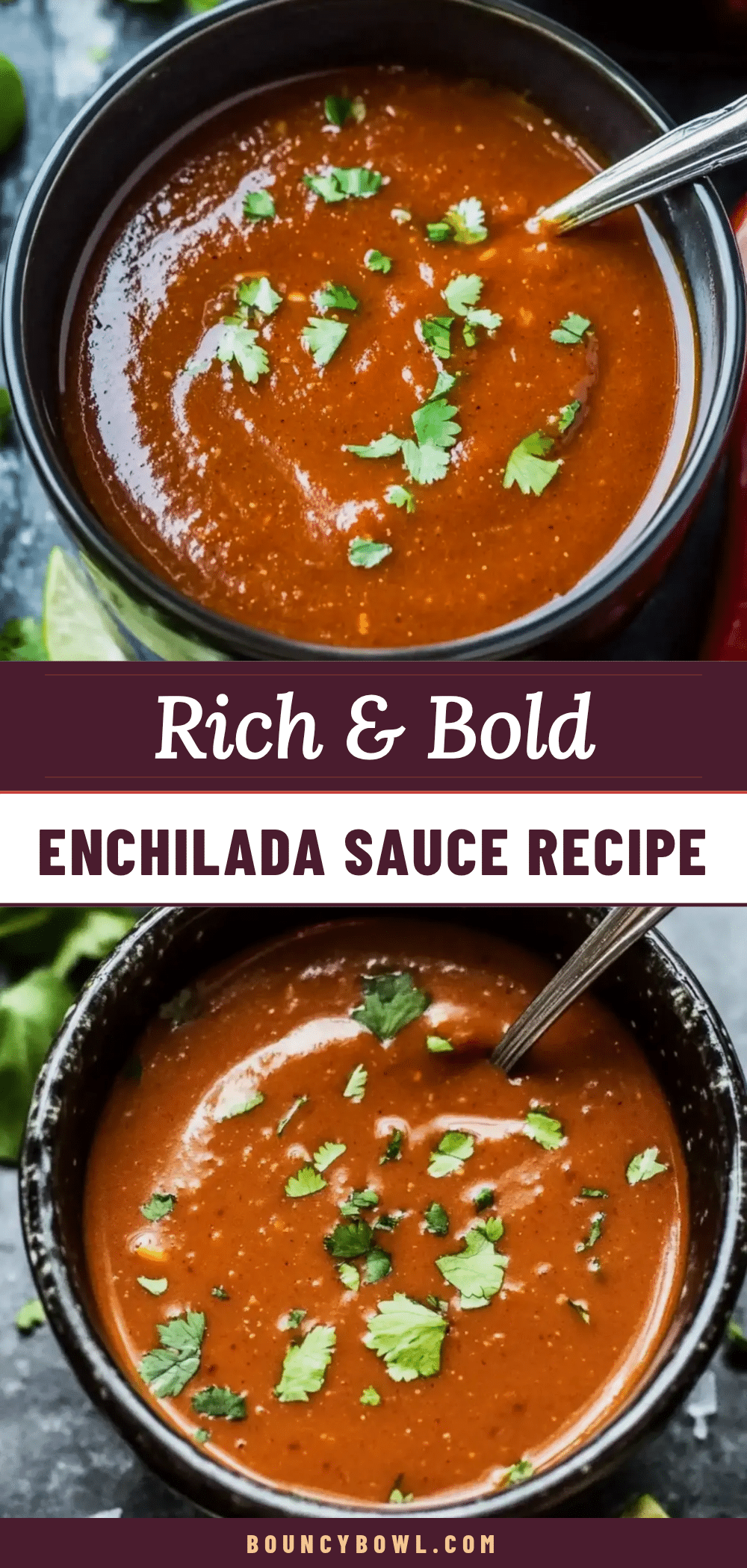
Best Enchilada Sauce Recipe: Easy 10-Minute Homemade
This homemade enchilada sauce is rich, smoky, and bold, ready in just 10 minutes with simple pantry ingredients. It’s perfect for enchiladas, tacos, burrito bowls, and more.
- Prep Time: 5 minutes
- Cook Time: 5 minutes
- Total Time: 10 minutes
- Yield: 4 servings 1x
- Category: Sauce
- Cuisine: Mexican
Ingredients
- 3–4 dried guajillo chiles
- 1–2 dried arbol chiles
- 3–4 cloves garlic
- 1 teaspoon onion powder
- 1 teaspoon ground cumin
- ½ teaspoon dried oregano (preferably Mexican)
- 2 tablespoons all-purpose flour
- 2 cups low-sodium chicken or vegetable broth
- 2 tablespoons tomato paste
- Salt to taste
- 2 tablespoons neutral oil (avocado or vegetable)
Instructions
- Remove stems and seeds from dried guajillo and arbol chiles.
- Toast chiles in a dry skillet over medium heat for 30-60 seconds per side until fragrant and slightly puffed. Do not burn.
- Transfer toasted chiles to a bowl and cover with hot water. Soak for 5 minutes until pliable.
- In the same skillet, heat oil over medium heat. Add smashed garlic cloves and sizzle for 30 seconds.
- Add onion powder, cumin, and oregano. Stir constantly for 15 seconds until fragrant.
- Sprinkle flour over spices and whisk continuously for 1 minute to make a roux.
- Slowly pour in broth while whisking to prevent lumps. Add tomato paste and whisk until smooth. Bring to a gentle simmer.
- Drain soaked chiles and add to the simmering broth mixture.
- Carefully transfer mixture to a blender (or use an immersion blender) and blend on high for 1-2 minutes until completely smooth.
- Return blended sauce to the skillet (if using a blender). Simmer over medium-low heat for 2-3 minutes. Season with salt to taste.
- For ultra-smooth sauce, strain through a fine-mesh strainer (optional).
- Let cool slightly before using. Sauce will thicken as it cools.
Notes
For a milder sauce, omit arbol chiles. For extra smokiness, add 1-2 chipotle peppers in adobo. Sauce can be made ahead and refrigerated for up to 5 days or frozen for up to 3 months. To make gluten-free, substitute flour with 1 tablespoon cornstarch mixed with 2 tablespoons cold water.
Nutrition
- Serving Size: ¼ cup
- Calories: 50
- Sugar: 2
- Sodium: 250
- Fat: 3.5
- Saturated Fat: 0.5
- Carbohydrates: 5.5
- Fiber: 1.5
- Protein: 1.5
Keywords: enchilada sauce, homemade enchilada sauce, easy enchilada sauce, 10-minute enchilada sauce, red enchilada sauce