Love this? Save it for later!
Share the inspiration with your friends
The first time I made dango, I wasn’t even trying to. I had a bag of glutinous rice flour staring at me from the pantry after a failed attempt at mochi ice cream. It was late on a Tuesday, the kind of quiet evening where you just want to make something with your hands. I remembered seeing those cheerful skewers of chewy sweet mochi at a festival photo online and thought, why not give it a shot? Honestly, I was skeptical. I figured anything that looked that perfect must be tricky, but I had nothing to lose.
So I mixed the flour with water, kneaded the dough, and boiled those little white balls. The first batch came out a little lumpy, but the texture was spot on. That soft, bouncy chew was exactly what I was hoping for. I drizzled them with a simple sweet soy glaze, skewered them up, and took a bite. I actually laughed out loud. They were so good, and honestly, so much simpler than I ever imagined.
These easy homemade dango have become my go-to for a quick sweet fix when I’m craving something fun and different. They are not just a dessert; they are a little project that feels rewarding. If you have ever wanted to try making Japanese mochi skewers at home but thought it was too hard, this recipe is for you. It is forgiving, fast, and the result is pure joy on a stick.
Why You’ll Love This Recipe
After testing this recipe a handful of times (okay, maybe more than a handful), I can tell you exactly why it works. This isn’t just another version of dango—it is the easiest, most reliable method I have found for getting that perfect chewy texture without any special equipment.
- Quick & Easy: From start to finish, these dango come together in under 30 minutes. No long resting or rising times. Just mix, boil, and glaze.
- Simple Ingredients: You only need four main ingredients for the dough. I bet you have most of them in your kitchen right now. No fancy trips to a specialty store required.
- Perfect for a Fun Snack: These little skewers are great for an afternoon treat, a dessert for a casual get-together, or even a fun activity to do with kids. They feel special without being fussy.
- Crowd-Pleaser: I have served these to friends who had never tried dango before, and they disappeared in minutes. The texture is so unique and satisfying that everyone loves it.
- Unbelievably Delicious: The combination of the soft, chewy mochi balls with that sweet and savory soy glaze is next-level comfort food. It hits that perfect balance of salty and sweet.
What makes this recipe different from the rest is the technique. I use a specific ratio of glutinous rice flour to water that guarantees a soft, pliable dough that won’t crack when you shape it. Plus, the glaze is simple but perfectly balanced—not too thick, not too thin. This is the kind of treat that makes you close your eyes after the first bite. It is comfort food reimagined, faster and simpler, but with the same soul-soothing satisfaction. Perfect for impressing guests without stress or turning a simple evening into something memorable.
What Ingredients You Will Need
This recipe uses simple, pantry-friendly ingredients to deliver that signature chewy texture and delicious glaze. I have tested each one to make sure you get the best results.
- Glutinous Rice Flour (1 cup / 120g): This is the star of the show. It is also called sweet rice flour or mochiko. Do not confuse it with regular rice flour, which is not sticky. Glutinous rice flour gives dango that signature bouncy chew. I personally like the brand Mochiko for consistent results.
- Water (1/2 cup / 120ml): Just regular tap water works fine. The water helps hydrate the flour and brings the dough together. Make sure it is at room temperature.
- Sugar (2 tablespoons / 25g): A little bit of sugar in the dough adds a subtle sweetness. You can use granulated white sugar or even light brown sugar for a slightly deeper flavor.
- Cornstarch or Potato Starch (for dusting): This prevents the cooked dango balls from sticking together while you skewer them. Potato starch is traditional, but cornstarch works perfectly as a substitute.
For the Sweet Soy Glaze (Mitarashi Dango):
- Soy Sauce (2 tablespoons): Use regular all-purpose soy sauce. It provides the salty, umami base for the glaze. Low-sodium soy sauce works too, but you might need to add a pinch of salt.
- Sugar (3 tablespoons / 38g): This balances the saltiness of the soy sauce. I use granulated white sugar, but brown sugar adds a nice caramel note.
- Mirin (1 tablespoon): Mirin is a sweet Japanese rice wine that adds a lovely shine and depth of flavor. If you don’t have it, you can substitute with 1 teaspoon of honey or a splash of sake mixed with a pinch of sugar.
- Cornstarch Slurry (1 teaspoon cornstarch + 1 tablespoon water): This thickens the glaze to a perfect, glossy consistency that clings to the dango.
Ingredient Selection Tips: Look for glutinous rice flour in the Asian section of your grocery store or online. It is usually in a bright pink or blue box. For the best texture, make sure your soy sauce is fresh. If you are feeling adventurous, you can also use this easy buttercream frosting as a wild, non-traditional dip for leftover dango—it is surprisingly good!
Equipment Needed
You don’t need a lot of fancy tools to make these chewy mochi skewers. Here is what you will need:
- Mixing Bowl: A medium-sized bowl for combining the dough ingredients.
- Wooden Spoon or Spatula: For mixing the dough. A silicone spatula works great.
- Small Saucepan: For boiling the dango balls. A medium pot works too.
- Slotted Spoon: Essential for scooping the cooked dango out of the boiling water.
- Bamboo Skewers: These are traditional for serving dango. You can find them at most grocery stores. Soak them in water for 10 minutes before using to prevent burning if you plan to toast them.
- Small Bowl for Ice Water: This helps stop the cooking process and keeps the dango firm.
- Small Saucepan or Skillet: For making the glaze.
Budget-Friendly Options: If you don’t have bamboo skewers, you can just serve the dango balls in a bowl with the glaze drizzled over them. A regular fork works fine for the ice water bath. I have even used a clean, unused paint stirrer as a skewer in a pinch—don’t judge, it worked!
Preparation Method
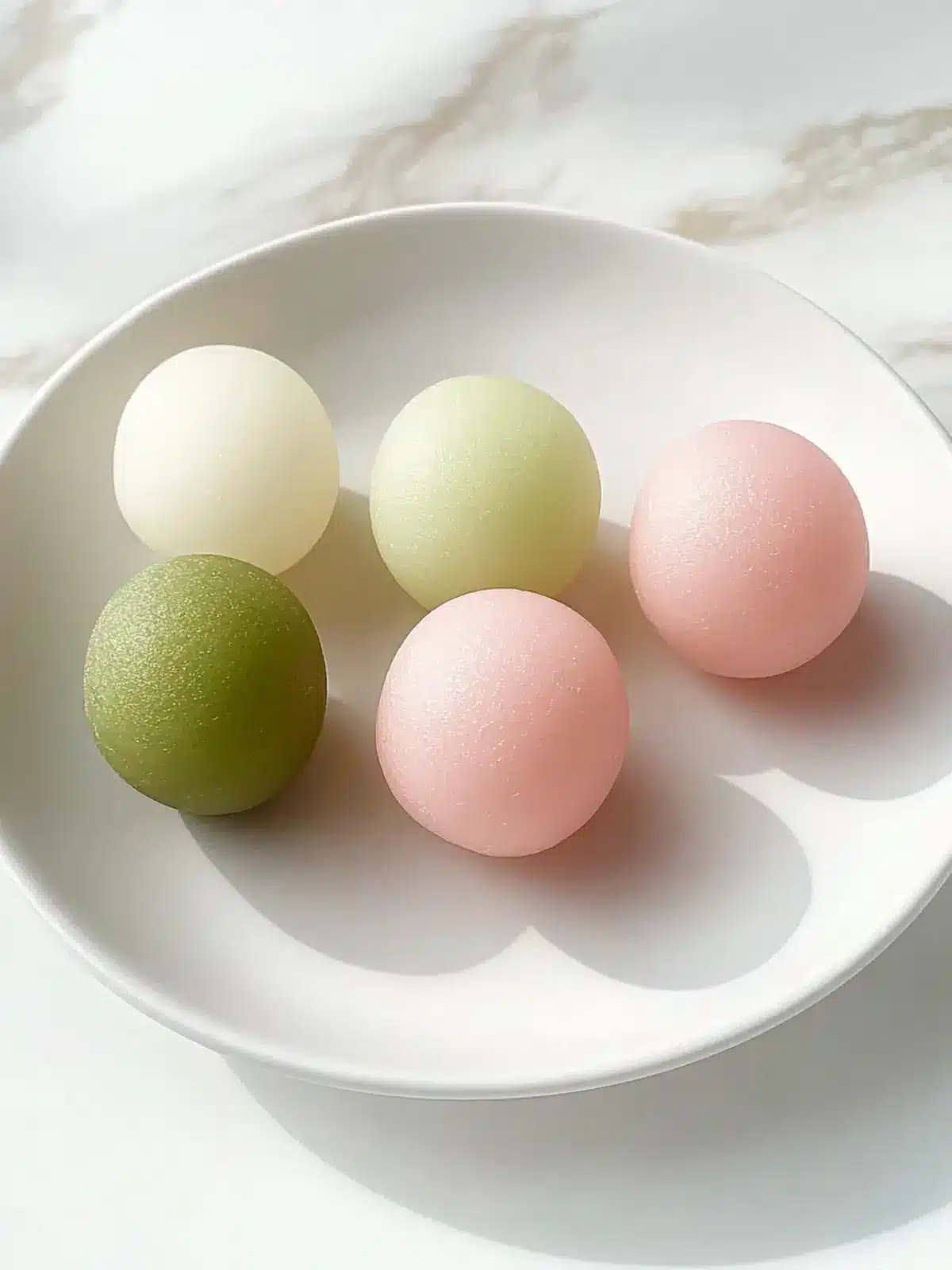
Follow these steps carefully, and you will have perfect dango in no time. I have added some notes from my own trial and error.
- Make the Dough: In a medium mixing bowl, combine 1 cup (120g) of glutinous rice flour and 2 tablespoons (25g) of sugar. Slowly pour in 1/2 cup (120ml) of water while mixing with a wooden spoon. Keep mixing until a shaggy dough forms. Then, use your hands to knead the dough in the bowl for about 2 minutes. It should be smooth, pliable, and not sticky. If it is too dry, add a teaspoon of water. If it is too sticky, add a teaspoon of more flour.
- Shape the Balls: Lightly dust your hands with a little cornstarch or potato starch. Pinch off small pieces of dough and roll them between your palms into small balls, about the size of a cherry tomato or a large marble. You should get around 15-18 balls. Place them on a plate or tray dusted with more starch so they don’t stick.
- Boil the Dango: Fill a medium saucepan with water and bring it to a gentle boil over medium-high heat. Once boiling, carefully drop the dango balls into the water. Do not overcrowd the pot; cook them in two batches if needed. They will sink to the bottom at first.
- Cook Until They Float: Let the dango boil. After about 2-3 minutes, they will start floating to the surface. Once they float, let them cook for another 1-2 minutes. This ensures the center is fully cooked and chewy. You will see them puff up slightly.
- Ice Water Bath: While the dango are boiling, prepare a small bowl of ice water. Use a slotted spoon to transfer the cooked dango directly into the ice water. Let them sit for about 30 seconds. This stops the cooking process and gives them that perfect, firm-yet-chewy texture.
- Drain and Skewer: Remove the dango from the ice water and place them on a clean kitchen towel or paper towels to drain. Pat them dry gently. Once they are cool enough to handle, thread 3-4 balls onto each bamboo skewer. Leave a little space between each ball.
- Make the Glaze: In a small saucepan, combine 2 tablespoons of soy sauce, 3 tablespoons of sugar, and 1 tablespoon of mirin. Heat over medium heat, stirring constantly, until the sugar dissolves and the mixture starts to simmer. In a small cup, mix 1 teaspoon of cornstarch with 1 tablespoon of water to make a slurry. Slowly pour the slurry into the simmering sauce while whisking continuously. Cook for about 30 seconds until the glaze thickens and becomes glossy. Remove from heat.
- Glaze the Dango: You can either brush the glaze onto the skewered dango using a pastry brush, or you can dip each skewer into the glaze, turning to coat evenly. I prefer dipping—it is faster and gives a thicker coating.
- Serve Immediately: Place the glazed dango on a plate and serve right away. They are best enjoyed fresh and warm. If you want a slightly toasted flavor, you can briefly pan-fry the skewers in a dry non-stick pan over medium heat for 1-2 minutes per side before glazing.
Sensory Cues: When you knead the dough, it should feel like soft play-dough. When they float in the water, they will look slightly puffy and feel firm to the touch. The glaze should be thick enough to coat the back of a spoon.
Cooking Tips & Techniques
I have definitely made my share of mistakes with dango, so let me save you some trouble. Here are my best tips for perfect results every time.
- Don’t Overknead the Dough: Knead just until it comes together and is smooth. Overkneading can make the dango tough. You want it soft and pliable, not stiff.
- Use a Gentle Boil: A rolling, aggressive boil can cause the dango to break apart or become misshapen. Keep the water at a gentle simmer or a very low boil. Think of it like cooking delicate pasta.
- The Ice Bath is Non-Negotiable: I skipped this step once, and the dango turned out mushy and stuck together. The ice water shock is what gives them that signature bouncy, chewy texture. Do not skip it!
- Glaze Consistency: The glaze will thicken as it cools. If it gets too thick, just whisk in a teaspoon of warm water to thin it out. If it is too thin, simmer it for another minute.
- Timing is Everything: Dango are best eaten within an hour of making them. They start to harden as they sit. So make the glaze while the dango are boiling, and serve immediately after glazing.
Variations & Adaptations
One of the best things about dango is how easy it is to customize. Here are a few ways I have played around with this recipe.
- Matcha Dango: Add 1 teaspoon of matcha powder to the dry glutinous rice flour before adding the water. Knead until the color is evenly distributed. The green tea flavor pairs beautifully with the sweet soy glaze.
- Kinako (Soybean Flour) Dango: Skip the sweet soy glaze entirely. Instead, toss the cooked and drained dango balls in a mixture of 2 tablespoons of kinako (roasted soybean flour) and 1 tablespoon of sugar. This is a classic, nutty variation.
- Anko (Red Bean) Filling: For a stuffed version, flatten a small piece of dough in your palm, place a small ball of sweet red bean paste (anko) in the center, and seal the dough around it. Boil as directed. This is a bit more advanced but so worth it.
- Seasonal Flavors: In the spring, I like to add a drop of cherry blossom extract to the dough for a floral note. In the fall, a pinch of cinnamon or pumpkin pie spice in the dough is lovely.
- Savory Dango: For a savory twist, skip the sugar in the dough and add a pinch of salt. Instead of the sweet soy glaze, brush the cooked dango with a mixture of soy sauce and melted butter, then sprinkle with furikake (rice seasoning).
If you enjoy making different textures and flavors, you might also love trying this fluffy Japanese cotton cheesecake for another unique treat.
Serving & Storage Suggestions
Dango are best enjoyed fresh, but here is how to handle them if you have leftovers or want to prep ahead.
- Serving Temperature: Dango are traditionally served at room temperature or slightly warm. The glaze is best when warm and glossy.
- Presentation: Arrange 3-4 skewers on a small plate. Drizzle any remaining glaze over the top. You can garnish with a sprinkle of black sesame seeds or a tiny pinch of sea salt for contrast.
- Storage: Store leftover unglazed dango in an airtight container in the refrigerator for up to 2 days. The texture will harden, but they are still edible. Glazed dango do not store well because the glaze becomes sticky and messy.
- Reheating: To reheat, place the dango on a microwave-safe plate and microwave for 10-15 seconds. Alternatively, you can reheat them in a steamer for 2-3 minutes to restore some softness. Do not boil them again.
- Flavor Development: Honestly, dango are best the day they are made. The texture is at its peak within the first hour. If you need to prep ahead, you can make the dango balls and freeze them (uncooked) on a baking sheet, then transfer to a freezer bag. Boil them straight from frozen, adding an extra minute to the cooking time.
Nutritional Information & Benefits
While dango is a treat, it does have a few redeeming qualities. Here is a rough estimate per serving (3-4 dango balls on one skewer with glaze).
- Calories: ~180-220 kcal
- Carbohydrates: ~40-45g
- Protein: ~2g
- Fat: ~0.5g
- Sugar: ~15-18g
Health Highlights: Glutinous rice flour is naturally gluten-free, making this a safe dessert for those with gluten sensitivities (just double-check your soy sauce is gluten-free too). The main ingredient, rice, provides quick energy. The portion size is small, making it a controlled indulgence. From my personal perspective, this is a fun, homemade treat that feels special without being overly heavy or greasy. It is a great alternative to processed sweets.
Allergen Note: This recipe is naturally dairy-free, egg-free, and nut-free (depending on your soy sauce). Always check labels for potential cross-contamination if you have severe allergies.
Conclusion
Making these easy homemade dango is one of those kitchen projects that feels both simple and rewarding. The process is quick, the ingredients are basic, and the result is a plate of adorable, delicious chewy sweet mochi skewers that taste like something from a festival. I love how forgiving this recipe is—even my first, slightly lumpy batch was devoured in minutes.
I really encourage you to try making these yourself. Customize the glaze, try a different flavor, or just enjoy them plain. They are a perfect little project for a quiet afternoon or a fun way to introduce someone to a new dessert. If you make them, I would love to hear how it goes. Drop a comment below and let me know your favorite variation, or share a photo of your dango skewers. Happy cooking, and enjoy every chewy bite!
Frequently Asked Questions
Can I use regular rice flour instead of glutinous rice flour?
No, you cannot. Regular rice flour will not produce the same chewy, stretchy texture. Glutinous rice flour (also called sweet rice flour or mochiko) is essential for the signature bouncy consistency of dango. Using regular rice flour will result in a crumbly, dense texture that falls apart.
Why did my dango fall apart in the water?
This usually happens if the dough is too dry or if you boiled the water too aggressively. Make sure your dough is smooth and pliable before shaping. Also, keep the water at a gentle simmer, not a rolling boil. Adding a teaspoon of water to the dough if it feels crumbly can help.
Can I make dango ahead of time for a party?
Yes, you can prepare the unglazed dango balls a day in advance. Cook them, cool them in the ice bath, drain them well, and store them in an airtight container in the refrigerator. When you are ready to serve, reheat them briefly in the microwave or steamer, then make the fresh glaze and skewer them.
What can I use instead of mirin for the glaze?
If you don’t have mirin, you can substitute it with 1 teaspoon of honey or a splash of sake mixed with a pinch of sugar. The mirin adds a subtle sweetness and shine, but the glaze will still be delicious without it. You can also just use a bit more sugar and water.
Are these dango vegan?
Yes, this recipe is naturally vegan! The dough is made with just glutinous rice flour, water, and sugar. The glaze uses soy sauce, sugar, mirin, and cornstarch—all plant-based. Just make sure your sugar is certified vegan if that is a concern for you. Enjoy!
Pin This Recipe!
Easy Homemade Dango – Best Chewy Mochi Skewers
These easy homemade dango are soft, chewy mochi skewers with a sweet soy glaze. Ready in under 30 minutes with simple ingredients, they are a fun and rewarding dessert or snack.
- Prep Time: 15 minutes
- Cook Time: 10 minutes
- Total Time: 25 minutes
- Yield: 4 servings 1x
- Category: Dessert
- Cuisine: Japanese
Ingredients
- 1 cup (120g) glutinous rice flour (mochiko)
- 1/2 cup (120ml) water
- 2 tablespoons (25g) sugar
- Cornstarch or potato starch (for dusting)
- 2 tablespoons soy sauce
- 3 tablespoons (38g) sugar
- 1 tablespoon mirin
- 1 teaspoon cornstarch
- 1 tablespoon water
Instructions
- In a medium mixing bowl, combine 1 cup (120g) glutinous rice flour and 2 tablespoons (25g) sugar. Slowly pour in 1/2 cup (120ml) water while mixing with a wooden spoon until a shaggy dough forms. Knead with your hands for about 2 minutes until smooth and pliable.
- Lightly dust your hands with cornstarch or potato starch. Pinch off small pieces of dough and roll into balls about the size of a cherry tomato (15-18 balls). Place on a starch-dusted plate.
- Fill a medium saucepan with water and bring to a gentle boil. Drop the dango balls into the water in batches if needed. They will sink initially.
- After 2-3 minutes, the dango will float. Let them cook for another 1-2 minutes until puffed and cooked through.
- Prepare a bowl of ice water. Use a slotted spoon to transfer the cooked dango into the ice water for 30 seconds to stop cooking and set the texture.
- Remove dango from ice water and drain on a clean towel. Thread 3-4 balls onto each bamboo skewer.
- In a small saucepan, combine 2 tablespoons soy sauce, 3 tablespoons sugar, and 1 tablespoon mirin. Heat over medium, stirring until sugar dissolves and mixture simmers. Mix 1 teaspoon cornstarch with 1 tablespoon water to make a slurry, then whisk into the simmering sauce. Cook for 30 seconds until thickened and glossy.
- Brush or dip each skewer into the glaze to coat evenly. Serve immediately.
Notes
Dango are best eaten within an hour of making. For a toasted flavor, pan-fry skewers in a dry non-stick pan for 1-2 minutes per side before glazing. The ice bath is essential for the chewy texture. If the glaze thickens too much, whisk in a teaspoon of warm water.
Nutrition
- Serving Size: 1 skewer (3-4 dango
- Calories: 200
- Sugar: 16
- Sodium: 480
- Fat: 0.5
- Carbohydrates: 42
- Protein: 2
Keywords: dango, mochi skewers, Japanese dessert, chewy mochi, sweet soy glaze, mitarashi dango, glutinous rice flour, easy dango recipe