Love this? Save it for later!
Share the inspiration with your friends
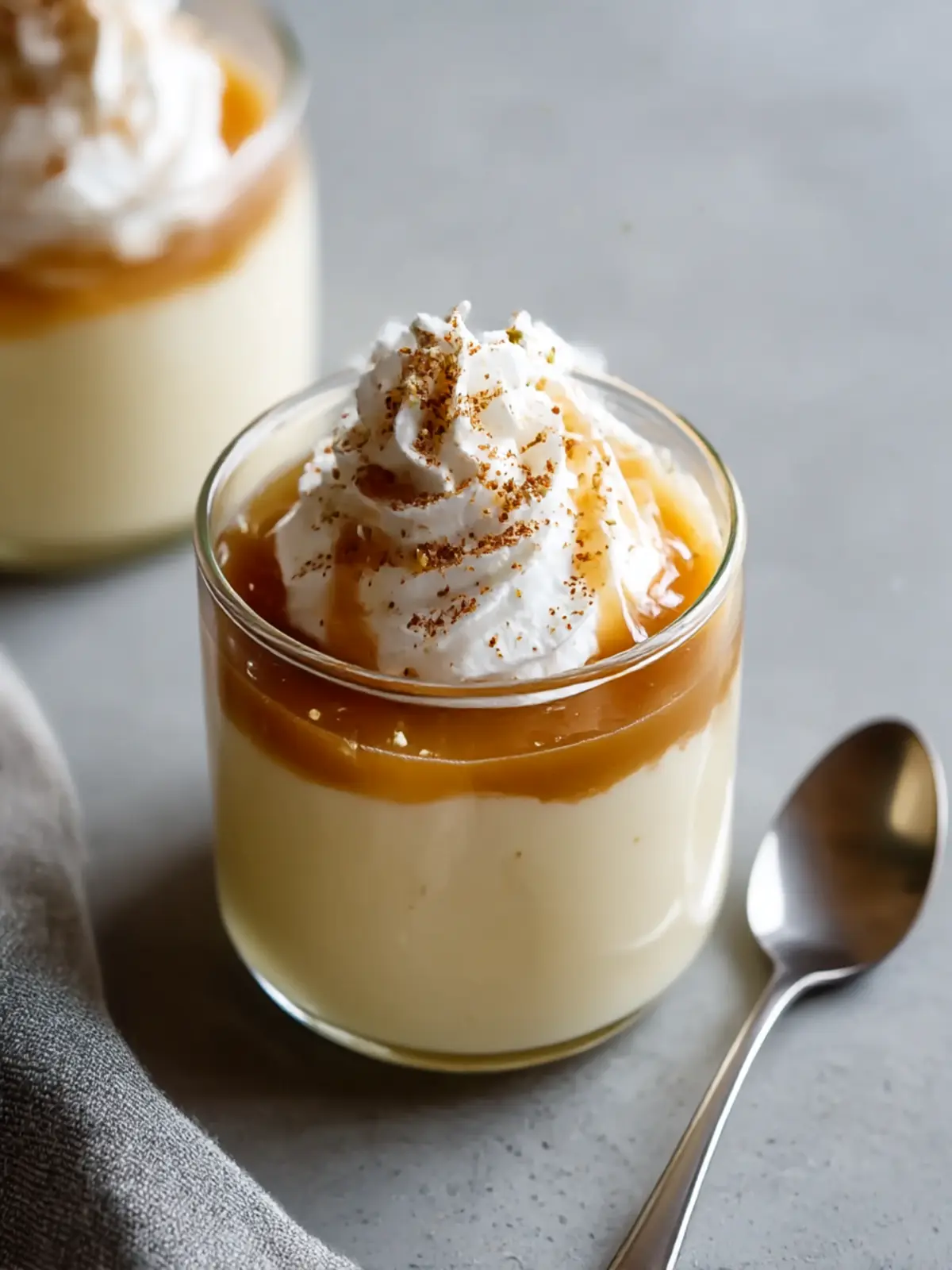
The first time I made creamy Italian budino with caramel and sea salt, I was actually trying to salvage a dinner party dessert disaster. I had planned this elaborate tiramisu, but somewhere between the coffee-soaked ladyfingers and the mascarpone, things went sideways. The cream was too thin, the layers were sliding, and I had about twenty minutes before guests showed up. So I scraped the whole thing into a bowl, added some extra cream and sugar, and poured it into little cups. Then I drizzled whatever caramel sauce I had in the fridge on top and sprinkled it with salt. Honestly, I handed those ramekins over with zero confidence. But you know what? People went quiet after the first bite. That accidental mess turned into the most requested dessert I make now. It is rich without being heavy, sweet but balanced by that flaky salt, and somehow feels both fancy and completely unfussy. I have made this creamy Italian budino with caramel and sea salt at least a dozen times since that night, and it has never let me down.
There is something about the texture of a proper budino that just hits differently. It is not quite pudding and not quite mousse—it lands somewhere in that perfect middle ground where everything feels silky and indulgent. The caramel pools on top, the salt crystals pop against your tongue, and suddenly you are eating something that tastes like it came from a tiny Italian pastry shop, not your own kitchen. That is the magic of this recipe. It looks impressive, sounds complicated, but comes together with ingredients you probably already have. And honestly? It is one of those desserts that makes people think you worked way harder than you actually did. I am not going to complain about that.
So if you have been hunting for a dessert that feels special but does not require a pastry degree, this is it. This creamy Italian budino with caramel and sea salt has become my go-to for everything from quiet Tuesday nights to holiday dinners. It is the kind of recipe you memorize because you make it so often.
Why You Will Love This Recipe
- Incredibly Easy: No tempering eggs, no water baths, no complicated techniques. This comes together in about 15 minutes of active time. The oven does the rest.
- Simple Ingredients: You likely have milk, eggs, sugar, and vanilla in your kitchen right now. No specialty grocery runs required.
- Make-Ahead Friendly: Budino actually gets better after a day in the fridge. Perfect for prepping before a party or busy week.
- Crowd-Pleaser: I have served this to kids, grandparents, and food-snob friends. Every single person has asked for the recipe.
- Restaurant Quality at Home: That silky texture and salty-sweet combo tastes like something from a fancy Italian spot. But you made it in your own kitchen.
What makes this creamy Italian budino with caramel and sea salt different from other pudding-style desserts is the texture. Traditional American puddings use cornstarch as a thickener, which gives a firmer, almost gelatinous feel. Budino relies on egg yolks and gentle baking, creating a custard that is luxuriously soft but stable enough to hold its shape. It is a texture you cannot get from a box mix or a quick stovetop pudding. The first time you slide a spoon through that caramel layer and into the creamy custard underneath, you will understand exactly what I mean.
This is also the dessert that made me stop apologizing for simple food. For years I thought impressive desserts had to be layered cakes or complicated pastries. But this budino taught me that sometimes the simplest things—cream, sugar, eggs, salt—create the most memorable bites. It is comfort food dressed up in fancy Italian clothing, and honestly, that is my favorite kind of cooking.
What Ingredients You Will Need
This creamy Italian budino with caramel and sea salt uses simple, everyday ingredients to create something truly special. The magic is in how they come together, not in fancy components.
For the Budino Custard
- 2 cups whole milk (480 ml) – Whole milk gives the richest texture. Do not use skim here; the fat is essential for that silky mouthfeel. I prefer organic whole milk for the best flavor.
- 1/2 cup granulated sugar (100 g) – Regular white sugar works perfectly. It dissolves cleanly and does not compete with the caramel.
- 1/4 cup cornstarch (30 g) – This helps stabilize the custard without making it rubbery. Sift it if it is lumpy.
- 4 large egg yolks – Room temperature yolks incorporate more smoothly. Save the whites for an omelet or meringue.
- 2 teaspoons vanilla extract – Pure vanilla makes a noticeable difference. I use Nielsen-Massey Madagascar vanilla, but any good quality extract works.
- Pinch of salt – Just a tiny bit to balance the sweetness.
For the Caramel Sauce
- 1 cup granulated sugar (200 g) – Do not substitute brown sugar here. White sugar creates the clean, amber caramel you want.
- 1/4 cup water (60 ml) – Just enough to dissolve the sugar before it starts cooking.
- 1/2 cup heavy cream (120 ml) – Warm the cream slightly before adding it to the caramel to prevent splattering.
- 3 tablespoons unsalted butter (42 g) – Cut into small pieces so it melts evenly.
- 1/2 teaspoon flaky sea salt – Plus extra for finishing. Maldon sea salt is my go-to for that perfect crunch and pop of salinity. Do not use fine table salt here—it dissolves too quickly and you lose that texture.
For Serving (Optional but Recommended)
- Whipped cream – Lightly sweetened, to balance the rich caramel.
- Extra flaky sea salt – A final sprinkle right before serving makes everything pop.
You will notice there is nothing exotic here. That is intentional. This creamy Italian budino with caramel and sea salt relies on technique over ingredients. But do not skip the good vanilla or the flaky salt—those two things make the difference between good and unforgettable.
Equipment Needed
You do not need much for this recipe, which is part of why I love it. Here is what you will need:
- 4 to 6 ramekins or small oven-safe cups (6-ounce size works perfectly) – If you do not have ramekins, small glass jars or even a single baking dish will work. Just adjust the baking time slightly.
- Saucepan – For making the caramel. A heavy-bottomed saucepan distributes heat evenly and prevents burning.
- Mixing bowls – One medium, one large.
- Whisk – A balloon whisk works best for smoothing out the custard.
- Fine-mesh strainer – Optional but highly recommended for the smoothest texture.
- Baking dish – For the water bath. Choose one large enough to hold your ramekins with space between them.
- Instant-read thermometer – Helpful but not essential. You can tell the custard is done by its jiggle.
If you are new to making caramel, do not stress. I burned my first three batches before I figured out the timing. A light-colored saucepan helps you see the color change, and a silicone spatula is easier to scrape every last bit of caramel out of the pan. I have also used a cheap stainless steel pan for years and it works fine. No need to buy expensive equipment for this recipe.
Preparation Method
Let me walk you through this step by step. Once you make it once, you will never need the recipe again.
Step 1: Preheat and Prep
Preheat your oven to 325°F (160°C). Arrange your ramekins in a baking dish large enough to hold them without touching. Boil a kettle of water for the water bath later.
Step 2: Make the Caramel Sauce
In a heavy-bottomed saucepan, combine 1 cup sugar and 1/4 cup water. Stir gently just until the sugar is moistened. Place the pan over medium heat and let it cook without stirring. Swirl the pan occasionally if needed, but do not stick a spoon in there—it can cause the sugar to crystallize. Cook until the mixture turns a deep amber color, about 8 to 10 minutes. Watch carefully; caramel goes from perfect to burnt very quickly. Once it reaches that rich amber shade, remove the pan from heat. Carefully whisk in the warm heavy cream (it will bubble up violently, so stand back). Then whisk in the butter pieces until smooth. Stir in 1/2 teaspoon flaky sea salt. Set the caramel aside to cool slightly while you make the custard.
Step 3: Make the Budino Custard
In a medium saucepan, whisk together 1/2 cup sugar, cornstarch, and the pinch of salt. Slowly whisk in the whole milk until smooth. Place the pan over medium heat and cook, whisking constantly, until the mixture thickens and just begins to bubble, about 5 to 7 minutes. It should feel like thick pudding when you lift the whisk.
In a separate bowl, whisk the egg yolks lightly. Slowly pour about 1 cup of the hot milk mixture into the yolks while whisking constantly. This tempers the eggs so they do not scramble. Then pour the egg mixture back into the saucepan with the remaining milk mixture. Cook over medium heat, whisking constantly, for another 2 to 3 minutes until it is very thick and smooth. Remove from heat and stir in the vanilla extract.
Step 4: Assemble the Budinos
Divide the caramel sauce evenly among your ramekins, about 2 tablespoons per ramekin. It will seem like a lot, but trust me. Pour the custard evenly over the caramel. Do not stir—the layers will separate naturally as they bake, creating that beautiful caramel bottom.
Step 5: Bake in a Water Bath
Place the filled ramekins in the baking dish. Carefully pour hot water from your kettle into the baking dish until it reaches halfway up the sides of the ramekins. Be careful not to splash water into the custards. Bake for 35 to 45 minutes, until the edges are set but the centers still jiggle slightly when you gently shake the ramekin. The internal temperature should reach about 170°F (77°C) if you are using a thermometer.
Step 6: Cool and Chill
Carefully remove the ramekins from the water bath. Let them cool on a wire rack for about 30 minutes, then cover each with plastic wrap and refrigerate for at least 4 hours, preferably overnight. This chilling time is crucial—it sets the texture and allows the flavors to meld.
Step 7: Serve
To serve, run a thin knife around the edge of each ramekin. Place a plate upside down on top, then flip everything over. The budino should slide out with the caramel pooling on top. If it sticks, give the ramekin a gentle shake. Sprinkle with additional flaky sea salt and add a dollop of whipped cream if you like.
Cooking Tips & Techniques
I have made this creamy Italian budino with caramel and sea salt enough times to know where things can go wrong. Here is what I have learned:
Do not rush the caramel. I know it is tempting to crank up the heat, but medium heat gives you more control. The first time I made this, I walked away for exactly thirty seconds and ended up with burnt caramel that smelled like a campfire. Start over if that happens—it is not salvageable. Also, warm your cream before adding it. Cold cream into hot caramel will seize up and splatter everywhere. I learned that one the hard way, cleaning caramel off my ceiling.
Whisk constantly. The custard needs your full attention. If you stop whisking, lumps will form. It is not the end of the world—you can strain them out—but it is easier to just keep stirring. I usually set a timer and whisk in a figure-eight pattern to make sure I am getting the bottom and sides of the pan.
Trust the jiggle. Overbaked budino turns rubbery and sad. Pull it from the oven when the centers still wobble like Jell-O. It will continue to set as it cools. If you are unsure, err on the side of underdone. A slightly soft budino is still delicious; a rubbery one is not.
Chill overnight if you can. Four hours is the minimum, but overnight is better. The texture becomes creamier, the caramel sinks and melds with the custard, and the flavors deepen. I have made these two days ahead for parties and they were perfect.
Use good salt. This is not the place for the iodized table salt in your shaker. Flaky sea salt like Maldon or fleur de sel provides those little bursts of salinity that make the dessert so addictive. I have also used smoked sea salt once, and it was incredible—just a different vibe.
Variations & Adaptations
One of the best things about this creamy Italian budino with caramel and sea salt is how adaptable it is. Here are some variations I have tried and loved:
Chocolate Budino: Add 4 ounces of finely chopped dark chocolate (about 60-70% cocoa) to the hot custard after removing it from the heat. Stir until smooth before pouring into the ramekins. The chocolate and caramel combo is absolutely decadent.
Dairy-Free Version: Substitute full-fat coconut milk for the whole milk and use a good vegan butter in the caramel. I have made this for friends with dairy allergies and it worked beautifully. The coconut flavor is subtle and pairs well with the caramel.
Espresso Budino: Add 2 teaspoons of instant espresso powder to the milk before heating. The coffee flavor cuts through the richness and adds a sophisticated edge. This version is my personal favorite for after-dinner treats.
Lighter Version: Use 2% milk instead of whole and reduce the butter in the caramel to 1 tablespoon. The texture will be slightly less luxurious, but it still satisfies that craving. I have made this version on weeknights when I want something sweet but not over-the-top.
Citrus Twist: Add the zest of one orange to the milk while it heats, then strain it out before adding to the eggs. The bright citrus notes play beautifully against the deep caramel. I made this for a spring brunch and it was a hit.
If you enjoy experimenting with desserts, you might also love this rainbow tie-dye blondies recipe for a fun, colorful treat, or these loaded turtle cookies with gooey caramel if you are on a caramel kick.
Serving & Storage Suggestions
This budino is best served cold, straight from the refrigerator. The contrast between the cool, creamy custard and the slightly warm caramel (if you rewarm it briefly) is delightful. I like to serve it in the ramekins for a rustic look, or inverted onto plates for a more polished presentation.
Serving Ideas:
- Top with lightly sweetened whipped cream and a final sprinkle of flaky sea salt.
- Add a few fresh berries—raspberries or strawberries cut through the richness beautifully.
- Drizzle with extra caramel sauce if you are feeling indulgent.
- Pair with a small cookie like a pizzelle or biscotti for texture contrast.
Storage: Cover the ramekins tightly with plastic wrap and refrigerate for up to 4 days. The texture remains perfect for at least 3 days. I do not recommend freezing budino—the custard can become grainy when thawed.
Reheating: If you want warm caramel, microwave the inverted budino for about 10 to 15 seconds before serving. Be careful not to overheat or the custard will separate. Alternatively, serve it cold—honestly, I prefer it that way.
The flavors actually improve after a day in the fridge. The caramel seeps into the custard, the salt mellows slightly, and everything becomes more cohesive. I often make this a day ahead for dinner parties and it is always better the next day.
For a savory option to balance out all this sweetness, try this easy baked pineapple salmon for a quick weeknight dinner that pairs nicely with a lighter dessert like this budino.
Nutritional Information & Benefits
Let me be honest—this creamy Italian budino with caramel and sea salt is a treat, not a health food. But that does not mean it has no redeeming qualities. Here is the approximate nutritional breakdown per serving (based on 6 servings):
- Calories: 380-420
- Fat: 22g
- Carbohydrates: 45g
- Protein: 6g
- Sugar: 38g
The eggs and milk provide a decent amount of protein and calcium. Eggs are also a good source of choline, which supports brain health. The caramel is primarily sugar, but the sea salt adds trace minerals like magnesium and potassium. Honestly, I think of this dessert as a small indulgence that brings joy, and that has its own value. It is the kind of dessert you savor slowly, one spoonful at a time, rather than mindlessly eating a whole box of cookies.
If you are watching your sugar intake, you can reduce the sugar in the custard slightly, but I would not go below 1/3 cup. The caramel needs the full amount for proper texture. This dessert is naturally gluten-free and can be made dairy-free with the substitutions mentioned above. It contains eggs and dairy, so it is not suitable for vegans or those with egg allergies.
Conclusion
This creamy Italian budino with caramel and sea salt has become my signature dessert for a reason. It is simple enough for a random Tuesday but impressive enough for a holiday table. It requires minimal effort but delivers maximum impact. Every time I make it, someone asks for the recipe, and I love watching their faces when I tell them how easy it is. That is the kind of cooking I live for—food that looks and tastes like you spent hours in the kitchen when you really just whisked a few things together and let the oven do the work.
I hope you give this recipe a try. Make it for yourself on a quiet evening. Make it for friends who deserve something special. Make it when you need a reminder that simple things can be extraordinary. And when you do, come back and tell me how it turned out. I love hearing about your kitchen victories (and your caramel disasters—trust me, I have been there).
If you are looking for another make-ahead dessert that is equally impressive, check out this easy no-bake summer berry icebox cake for a refreshing option. And for a breakfast treat that pairs beautifully with coffee, these easy homemade chocolate croissants are a weekend favorite in my house.
Happy cooking, friends. Go make something delicious.
Frequently Asked Questions
Can I make this budino without a water bath?
Technically yes, but I do not recommend it. The water bath insulates the custard and helps it cook evenly. Without it, the edges will overcook before the center sets. If you are in a pinch, use a very low oven (300°F) and check it earlier, but the texture will not be as silky.
Why did my caramel turn into a hard rock?
This usually happens when sugar crystals form. To prevent this, do not stir the sugar once it starts boiling. If you see crystals forming on the sides of the pan, brush them down with a wet pastry brush. Also, make sure your pan and utensils are completely clean—any residue can cause crystallization.
Can I use store-bought caramel sauce?
You can, but it will not be the same. Homemade caramel has a deeper, more complex flavor and a better texture. Store-bought sauces are often thinner and sweeter. If you are short on time, use a high-quality jarred caramel, but reduce the sugar in the custard slightly to balance the sweetness.
How do I know when the budino is done baking?
The edges should be set and the center should jiggle like firm Jell-O when you gently shake the ramekin. If the center still looks liquid, give it another 5 minutes. If the edges are pulling away from the ramekin, it is overbaked. An instant-read thermometer should read about 170°F (77°C) in the center.
Can I double this recipe?
Absolutely. This recipe doubles beautifully. Use a larger saucepan for the custard and make the caramel in two batches—caramel does not scale up well in a single batch because the volume affects cooking time. I have made quadruple batches for holiday parties and they turned out perfectly.
Pin This Recipe!
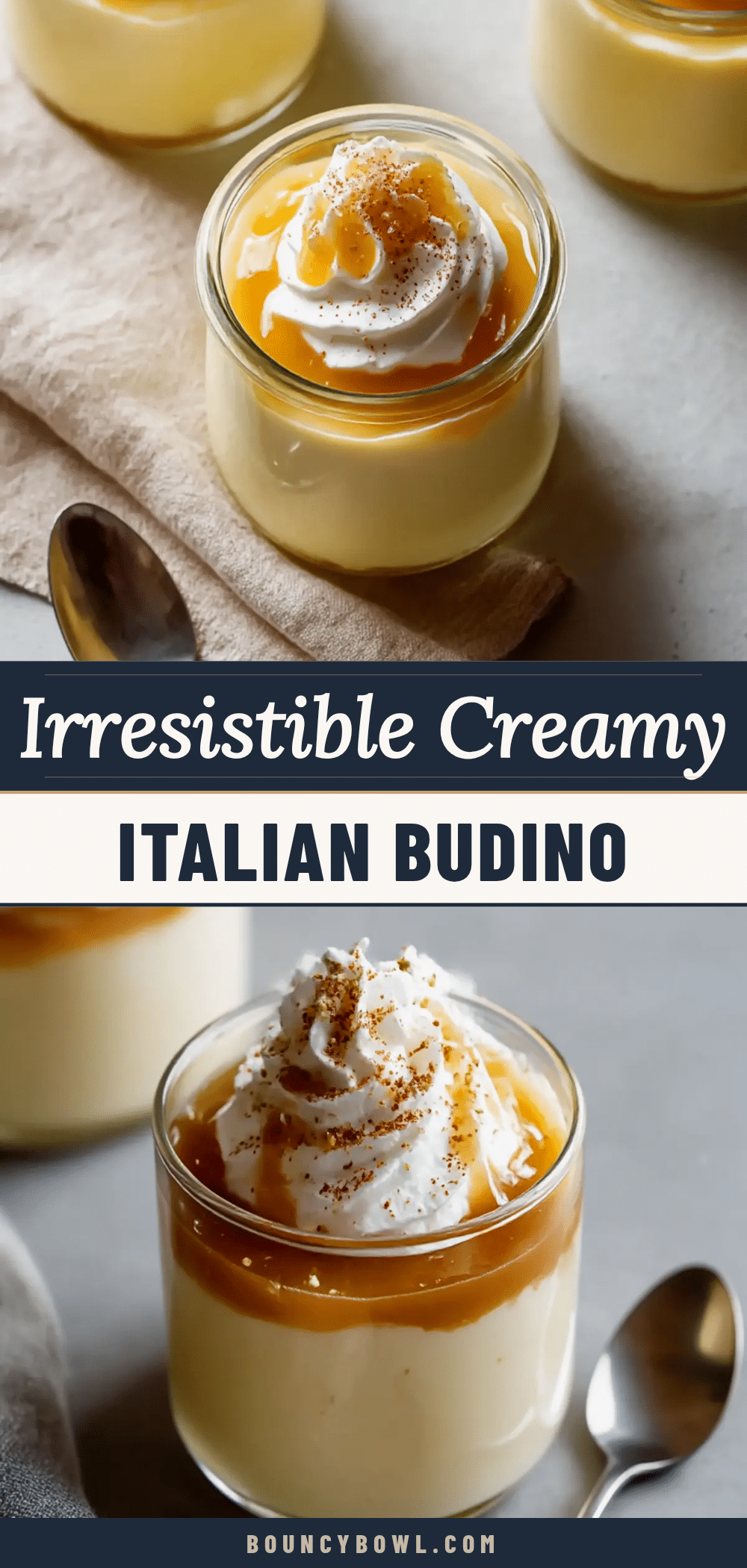
Creamy Italian Budino with Caramel & Sea Salt (Easy Dessert)

This creamy Italian budino with caramel and sea salt is a rich, silky custard dessert that’s surprisingly easy to make. It’s the perfect make-ahead treat that tastes like it came from a fancy Italian pastry shop.
- Prep Time: 15 minutes
- Cook Time: 45 minutes
- Total Time: 5 hours (including chilling)
- Yield: 6 servings 1x
- Category: Dessert
- Cuisine: Italian
Ingredients
- 2 cups whole milk (480 ml)
- 1/2 cup granulated sugar (100 g)
- 1/4 cup cornstarch (30 g)
- 4 large egg yolks
- 2 teaspoons vanilla extract
- Pinch of salt
- 1 cup granulated sugar (200 g)
- 1/4 cup water (60 ml)
- 1/2 cup heavy cream (120 ml)
- 3 tablespoons unsalted butter (42 g)
- 1/2 teaspoon flaky sea salt
- Whipped cream (optional)
- Extra flaky sea salt (optional)
Instructions
- Preheat your oven to 325°F (160°C). Arrange your ramekins in a baking dish large enough to hold them without touching. Boil a kettle of water for the water bath later.
- In a heavy-bottomed saucepan, combine 1 cup sugar and 1/4 cup water. Stir gently just until the sugar is moistened. Place the pan over medium heat and let it cook without stirring. Swirl the pan occasionally if needed, but do not stick a spoon in there—it can cause the sugar to crystallize. Cook until the mixture turns a deep amber color, about 8 to 10 minutes. Watch carefully; caramel goes from perfect to burnt very quickly. Once it reaches that rich amber shade, remove the pan from heat. Caref…
- In a medium saucepan, whisk together 1/2 cup sugar, cornstarch, and the pinch of salt. Slowly whisk in the whole milk until smooth. Place the pan over medium heat and cook, whisking constantly, until the mixture thickens and just begins to bubble, about 5 to 7 minutes. It should feel like thick pudding when you lift the whisk.
- In a separate bowl, whisk the egg yolks lightly. Slowly pour about 1 cup of the hot milk mixture into the yolks while whisking constantly. This tempers the eggs so they do not scramble. Then pour the egg mixture back into the saucepan with the remaining milk mixture. Cook over medium heat, whisking constantly, for another 2 to 3 minutes until it is very thick and smooth. Remove from heat and stir in the vanilla extract.
- Divide the caramel sauce evenly among your ramekins, about 2 tablespoons per ramekin. It will seem like a lot, but trust me. Pour the custard evenly over the caramel. Do not stir—the layers will separate naturally as they bake, creating that beautiful caramel bottom.
- Place the filled ramekins in the baking dish. Carefully pour hot water from your kettle into the baking dish until it reaches halfway up the sides of the ramekins. Be careful not to splash water into the custards. Bake for 35 to 45 minutes, until the edges are set but the centers still jiggle slightly when you gently shake the ramekin. The internal temperature should reach about 170°F (77°C) if you are using a thermometer.
- Carefully remove the ramekins from the water bath. Let them cool on a wire rack for about 30 minutes, then cover each with plastic wrap and refrigerate for at least 4 hours, preferably overnight. This chilling time is crucial—it sets the texture and allows the flavors to meld.
- To serve, run a thin knife around the edge of each ramekin. Place a plate upside down on top, then flip everything over. The budino should slide out with the caramel pooling on top. If it sticks, give the ramekin a gentle shake. Sprinkle with additional flaky sea salt and add a dollop of whipped cream if you like.
Notes
Do not rush the caramel. Whisk constantly when making the custard. Trust the jiggle when checking doneness. Chill overnight if possible for best texture. Use good flaky sea salt like Maldon.
Nutrition
- Serving Size: 1 budino
- Calories: 400
- Sugar: 38
- Sodium: 250
- Fat: 22
- Saturated Fat: 13
- Carbohydrates: 45
- Protein: 6
Keywords: budino, Italian dessert, caramel, sea salt, custard, easy dessert, make-ahead dessert