Love this? Save it for later!
Share the inspiration with your friends
The first time I made this, I was standing in my kitchen at 6:45 AM, staring at a package of chicken thighs I’d defrosted the night before. My brain was screaming for something savory, sweet, and totally satisfying—but my jeans were screaming something else entirely after a week of heavy dinners. I wanted the sticky, caramelized goodness of traditional tocino, that classic Filipino breakfast staple, but without the sugar crash that usually hits me by 10 AM. So I grabbed a bowl and started experimenting, swapping out the usual pork for lean chicken and cutting the sugar by more than half. Honestly? I wasn’t expecting much. I figured I’d end up with a sad, pale imitation of the real thing. But then that first batch hit the pan, and the smell—sweet garlic and pineapple tang filling my tiny kitchen—made me pause. It looked right, it smelled right, and when I took that first bite, it was better than right. It was the kind of breakfast that makes you feel like you’ve got your life together, even if you’re eating it standing over the counter in your pajamas. That’s the thing about this Lighter Chicken Tocino. It doesn’t ask you to sacrifice flavor for a healthier choice. It just quietly delivers both.
I’ve made it maybe a dozen times since that first morning. Every single time, I’m surprised by how something this simple can feel so indulgent. The chicken stays tender, the marinade clings to every piece like it belongs there, and the whole thing comes together in less time than it takes to brew a pot of coffee. If you’ve ever thought a lighter version of a classic dish couldn’t possibly hit the same spot, I get it. I was you. But this recipe? It’s the one that made me a believer.
Why You’ll Love This Recipe
This isn’t just another chicken recipe you’ll forget about by lunchtime. This is the kind of dish that earns a permanent spot in your weekly rotation. Here’s why it works so well:
- Quick & Easy: From fridge to table in under 30 minutes. The marinade does all the heavy lifting, so you barely have to work.
- Simple Ingredients: You probably already have most of these in your pantry. No hunting down obscure Asian grocery items—just pineapple juice, soy sauce, and a few spices.
- Perfect for Meal Prep: This chicken tocino tastes even better the next day. Make a big batch on Sunday and grab it for breakfast all week.
- Guilt-Free Indulgence: Traditional tocino is famously loaded with sugar and sodium. This version cuts both dramatically without losing that signature sweet-savory punch.
- Crowd-Pleaser: My picky-eater nephew devoured this. My health-conscious sister asked for the recipe. Even my dad, who swears by the pork version, gave it a grudging thumbs-up.
What makes this recipe different from the rest is the balance. Most lighter versions either taste too healthy (read: bland) or try to fake the flavor with artificial sweeteners. I use real pineapple juice and just enough brown sugar to create that glossy, caramelized coating without turning breakfast into a dessert. The result is a tocino that tastes authentic and satisfying—the kind of comfort food that makes you feel good about eating it.
This isn’t just a recipe, it’s a reminder that you don’t have to choose between eating well and eating what you love. It’s comfort food reimagined—healthier, faster, but with the same soul-soothing satisfaction. Perfect for busy mornings when you need a win, or lazy weekends when you want breakfast to feel special without spending hours in the kitchen.
What Ingredients You Will Need
This recipe uses simple, wholesome ingredients to deliver that classic Filipino breakfast flavor without the heavy sugar load. Most of these are pantry staples, which makes this an easy last-minute meal.
- Boneless, skinless chicken thighs (1.5 lbs / 680g), sliced into thin strips: I prefer thighs over breasts here—they stay juicier and more forgiving during cooking. The extra fat also helps the marinade stick better. If you must use breasts, pound them to even thickness first.
- Pineapple juice (1/2 cup / 120 ml): This is the secret weapon. The natural sweetness and acidity tenderize the chicken and create that signature tocino tang. I use canned unsweetened juice, but fresh works beautifully too.
- Brown sugar (3 tablespoons / 45g), packed: Just enough to create that caramelized glaze. Traditional tocino uses way more, but this amount gives you the sweetness without overdoing it.
- Soy sauce (3 tablespoons / 45 ml): Provides the salty backbone. I use low-sodium to keep things lighter, but regular works fine—just watch your salt intake.
- Garlic (4 cloves, minced): Non-negotiable. Fresh garlic gives the tocino its aromatic kick. Don’t use the jarred stuff here; it won’t be the same.
- Rice vinegar (1 tablespoon / 15 ml): Adds a subtle brightness that balances the sweetness. You can substitute apple cider vinegar if needed.
- Fish sauce (1 teaspoon / 5 ml): This is the umami bomb that makes everything taste deeper and more savory. It sounds weird, but trust me—you won’t taste “fishy,” just delicious.
- Salt (1/2 teaspoon / 3g): To season the chicken directly. I use fine sea salt.
- Black pepper (1/2 teaspoon / 2g): Freshly ground, please. It makes a difference.
- Vegetable oil (1 tablespoon / 15 ml): For pan-frying. Use a neutral oil with a high smoke point like avocado or canola.
- Optional garnish: sliced green onions, sesame seeds, or a fried egg: Because tocino isn’t complete without a sunny-side-up egg on the side.
Ingredient Tips: I recommend using Dole or Goya pineapple juice for consistent sweetness. If you’re watching your sugar intake, you can reduce the brown sugar to 2 tablespoons—just know the caramelization won’t be as pronounced. For a gluten-free version, swap the soy sauce for tamari or coconut aminos.
Equipment Needed
You don’t need a fancy kitchen to pull this off. Here’s what you’ll need:
- Large mixing bowl: For combining the marinade and chicken. Glass or stainless steel works best—plastic can absorb odors.
- Sharp knife and cutting board: For slicing the chicken thighs into thin strips. A dull knife will just frustrate you.
- Measuring cups and spoons: Precision matters here, especially with the sugar and soy sauce.
- Large non-stick skillet or cast iron pan: A non-stick pan makes cleanup easier, but cast iron gives you better caramelization. I’ve used both and prefer cast iron for that extra browning.
- Spatula or tongs: For flipping the chicken pieces as they cook.
- Small bowl: For mixing the marinade ingredients before adding the chicken.
If you don’t have a cast iron pan, don’t worry. A regular non-stick skillet works perfectly fine—just keep an eye on the heat so the sugar doesn’t burn. I’ve also made this in a stainless steel pan with a little extra oil, and it turned out great.
Preparation Method
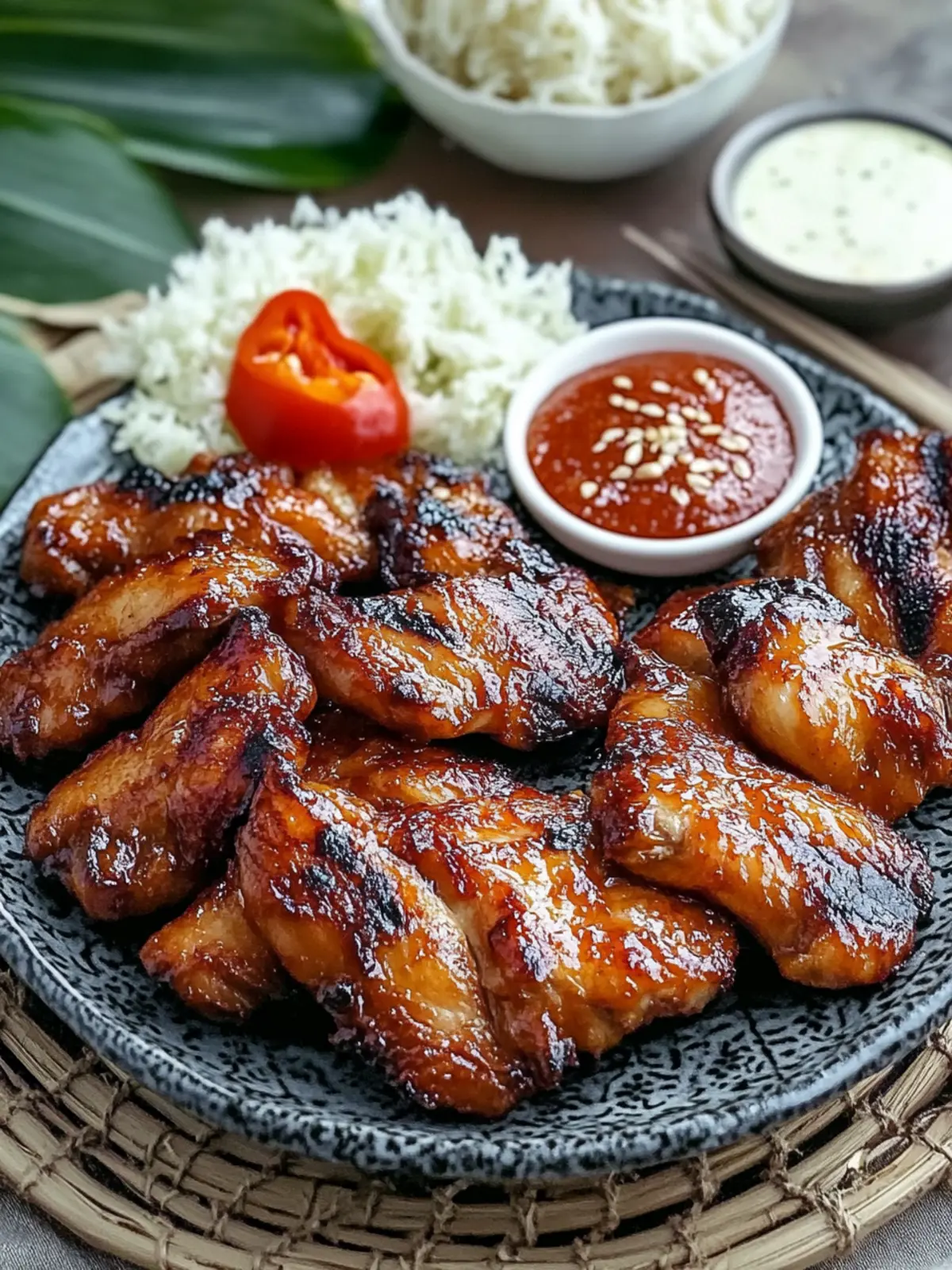
This is where the magic happens. Follow these steps, and you’ll have a plate of golden, caramelized chicken tocino that tastes like it took hours—but really only took minutes.
- Prepare the chicken (5 minutes): Place your chicken thighs on a cutting board. Using a sharp knife, slice them into thin strips, about 1/4-inch thick. Try to keep them uniform so they cook evenly. If some pieces are thicker, that’s okay—just give them a little extra time in the pan.
- Make the marinade (3 minutes): In a large mixing bowl, whisk together the pineapple juice, brown sugar, soy sauce, minced garlic, rice vinegar, and fish sauce. Stir until the sugar is mostly dissolved. The mixture should smell sweet, tangy, and savory all at once—that’s the tocino aroma you’re after.
- Marinate the chicken (15 minutes minimum, 2 hours ideal): Add the sliced chicken to the bowl with the marinade. Toss well to coat every piece. Cover the bowl with plastic wrap and let it sit at room temperature for 15 minutes if you’re in a hurry. For deeper flavor, pop it in the fridge for 1-2 hours. I’ve even let it marinate overnight, and the results were incredible—the chicken practically melts in your mouth.
- Heat the pan (2 minutes): Place your skillet over medium-high heat and add the vegetable oil. Let it heat up until it shimmers—about 2 minutes. You want it hot enough to sear the chicken, but not so hot that the sugar burns immediately.
- Cook the chicken (8-10 minutes): Using tongs, transfer the chicken pieces from the marinade to the hot pan, letting excess liquid drip off. Reserve the remaining marinade—you’ll use it later. Arrange the chicken in a single layer (you may need to work in batches). Let it cook undisturbed for 3-4 minutes until the bottom is deeply browned and caramelized. Flip each piece and cook for another 3-4 minutes. The chicken should be golden-brown, slightly sticky, and cooked through (internal temperature of 165°F / 74°C).
- Add the reserved marinade (2 minutes): Pour the remaining marinade into the pan with the cooked chicken. Let it bubble and reduce for 1-2 minutes, stirring occasionally, until it thickens into a glossy glaze that coats every piece. Watch it carefully—it can go from perfect to burnt in seconds.
- Rest and serve (2 minutes): Remove the pan from the heat. Let the chicken rest for a minute or two—this helps the glaze set and the juices redistribute. Serve immediately over steamed rice with a fried egg and sliced cucumbers on the side.
Sensory Cues: At step 5, you’ll know the chicken is ready to flip when the edges look crispy and the bottom is a deep amber color. The kitchen should smell like a sweet-savory dream—pineapple, garlic, and soy mingling together. If the pan starts smoking, lower the heat immediately. Sugar burns fast.
Cooking Tips & Techniques
I’ve made this recipe enough times to know where things can go wrong. Here’s what I’ve learned the hard way so you don’t have to:
Don’t overcrowd the pan. This is the number one mistake. If you dump all the chicken in at once, it will steam instead of sear, and you’ll lose that beautiful caramelization. Cook in batches if needed. I know it takes a few extra minutes, but the payoff is worth it.
Watch the heat like a hawk. The sugar in the marinade makes this dish prone to burning. Medium-high heat is your sweet spot. If you see the pan smoking or the chicken turning dark brown too quickly, turn the heat down to medium. Burnt tocino is bitter, not delicious.
Pat the chicken dry before cooking (sort of). You want some marinade clinging to the chicken for flavor, but too much liquid will cause splattering and prevent browning. Let the excess drip off before adding the chicken to the pan. I usually lift each piece with tongs and give it a gentle shake.
Use the reserved marinade wisely. That leftover liquid is pure flavor. Adding it at the end creates a glossy, restaurant-quality glaze. But don’t add it too early, or it will burn before the chicken is cooked through. Timing is everything.
Let the chicken rest. I know you’re hungry, but resist the urge to eat immediately. Letting the chicken sit for a minute or two allows the glaze to set and the juices to redistribute. The result is juicier, more flavorful meat.
One failure I’ll never forget: The first time I made this, I used chicken breasts and skipped the marinating time entirely. The result was dry, bland, and sad. Chicken breasts need the extra marinating time to absorb flavor and stay moist. Learn from my mistake—use thighs and give it at least 15 minutes in the marinade.
Variations & Adaptations
This recipe is flexible, so feel free to make it your own. Here are some variations I’ve tried and loved:
- Pork Tocino (Traditional Style): If you’re craving the original, substitute boneless pork shoulder or pork loin for the chicken. Increase the cooking time by 5-7 minutes to ensure the pork is cooked through. The fat in pork makes it extra tender and flavorful.
- Spicy Tocino: Add 1-2 minced Thai bird chilies or 1 teaspoon of chili flakes to the marinade. The heat cuts through the sweetness beautifully. I make this version when I need a morning wake-up call.
- Air Fryer Method: Skip the pan entirely. Marinate the chicken, then arrange it in a single layer in the air fryer basket. Cook at 375°F (190°C) for 10-12 minutes, flipping halfway through. Brush with the reserved marinade during the last 2 minutes for that sticky glaze. It’s faster and uses less oil.
- Low-Carb/Keto Option: Replace the brown sugar with 2 tablespoons of monk fruit sweetener or erythritol. The texture will be slightly different, but the flavor still works. Serve with cauliflower rice instead of regular rice.
- Garlic Lovers’ Version: Double the garlic in the marinade and add an extra 2 cloves, thinly sliced, to the pan during the last minute of cooking. The crispy garlic bits on top are pure heaven.
My Personal Variation: I once added a tablespoon of calamansi juice (or lime juice) to the marinade when I was out of rice vinegar. It gave the tocino a brighter, more citrusy kick that I actually preferred. Now I do it every time.
Serving & Storage Suggestions
This Lighter Chicken Tocino is best served hot, straight from the pan, with steamed white rice and a fried egg on top. The runny yolk mixing with the sweet glaze is a combination that’s hard to beat. I also love serving it with a side of sliced cucumbers and tomatoes drizzled with a little vinegar and salt—it cuts through the richness perfectly.
For a complete Filipino breakfast (Tosilog): Serve the tocino with garlic fried rice (sinangag) and a sunny-side-up egg (itlog). Add a side of pickled papaya (atchara) if you have it. It’s the kind of breakfast that makes you feel ready to conquer the world.
Storage: Leftover chicken tocino keeps well in an airtight container in the refrigerator for up to 4 days. The flavors actually deepen overnight, so it’s even better the next day. To reheat, warm it in a skillet over medium heat with a splash of water or pineapple juice to revive the glaze. You can also microwave it, but the texture won’t be as good.
Freezing: This recipe freezes beautifully. Cook the chicken as directed, let it cool completely, then transfer to a freezer-safe bag or container. It will keep for up to 3 months. To serve, thaw overnight in the fridge and reheat in a skillet. I often double the batch and freeze half for busy mornings.
Flavor Development: The tocino tastes best after the flavors have had time to meld. If you can, make it a day ahead and reheat it. The chicken becomes more tender, and the glaze gets stickier and more intense.
Nutritional Information & Benefits
Here’s the breakdown per serving (about 6 oz of cooked chicken, without rice or egg):
- Calories: 310
- Protein: 35g
- Carbohydrates: 18g
- Fat: 11g
- Saturated Fat: 3g
- Sugar: 14g
- Sodium: 720mg
Health Benefits: Chicken thighs are a great source of lean protein, which keeps you full and supports muscle health. Pineapple juice contains bromelain, an enzyme that aids digestion and reduces inflammation. Garlic is packed with antioxidants and supports immune function. Compared to traditional pork tocino, this version has about 40% fewer calories and 60% less sugar—without sacrificing flavor.
Dietary Considerations: This recipe is naturally dairy-free and nut-free. For a gluten-free version, use tamari or coconut aminos instead of soy sauce. For a lower-sodium option, reduce the soy sauce to 2 tablespoons and skip the added salt.
Personal Wellness Perspective: I love that this recipe lets me enjoy a classic comfort food without the post-meal guilt. It’s proof that you don’t have to give up the foods you love to eat healthier—you just need to make smarter choices about how you prepare them.
Conclusion
This Lighter Chicken Tocino is more than just a recipe—it’s a way to bring the flavors of a classic Filipino breakfast into your kitchen without the heavy sugar and calories. It’s quick, it’s easy, and it delivers that same sweet-savory satisfaction that makes tocino so beloved. Whether you’re a longtime fan of Filipino food or trying it for the first time, I promise this version will win you over.
I encourage you to make this recipe your own. Adjust the sweetness, add some heat, or serve it with your favorite sides. The beauty of cooking is that there’s no wrong way to do it—just your way. And if you come up with a variation you love, I’d love to hear about it. Drop a comment below or tag me in your photos. Let’s spread the joy of guilt-free breakfast together.
So go ahead, fire up that pan, and treat yourself to a breakfast that feels indulgent but is actually good for you. You deserve it.
Frequently Asked Questions
Can I use chicken breasts instead of thighs?
Yes, you can. But chicken breasts are leaner and can dry out more easily. To prevent this, marinate them for at least 1 hour (overnight is better) and cook them just until they reach 165°F (74°C). Slice them against the grain for maximum tenderness.
How do I prevent the sugar from burning in the pan?
Keep the heat at medium-high and don’t walk away from the pan. If you see the sugar starting to darken too quickly, lower the heat immediately. Cooking in batches also helps prevent overcrowding, which can cause uneven browning and burning.
Can I make this recipe ahead of time for meal prep?
Absolutely. Cook the chicken as directed, let it cool, and store it in an airtight container in the fridge for up to 4 days. Reheat in a skillet with a splash of water or pineapple juice to revive the glaze. It’s perfect for busy mornings.
What can I use instead of fish sauce?
If you don’t have fish sauce, you can substitute with 1 tablespoon of soy sauce mixed with 1 teaspoon of anchovy paste, or simply use 2 extra tablespoons of soy sauce. The flavor won’t be exactly the same, but it will still be delicious.
Is this recipe freezer-friendly?
Yes, it freezes beautifully. Cook the chicken, let it cool completely, then transfer to a freezer-safe bag or container. It will keep for up to 3 months. Thaw overnight in the fridge and reheat in a skillet for best results.
Pin This Recipe!
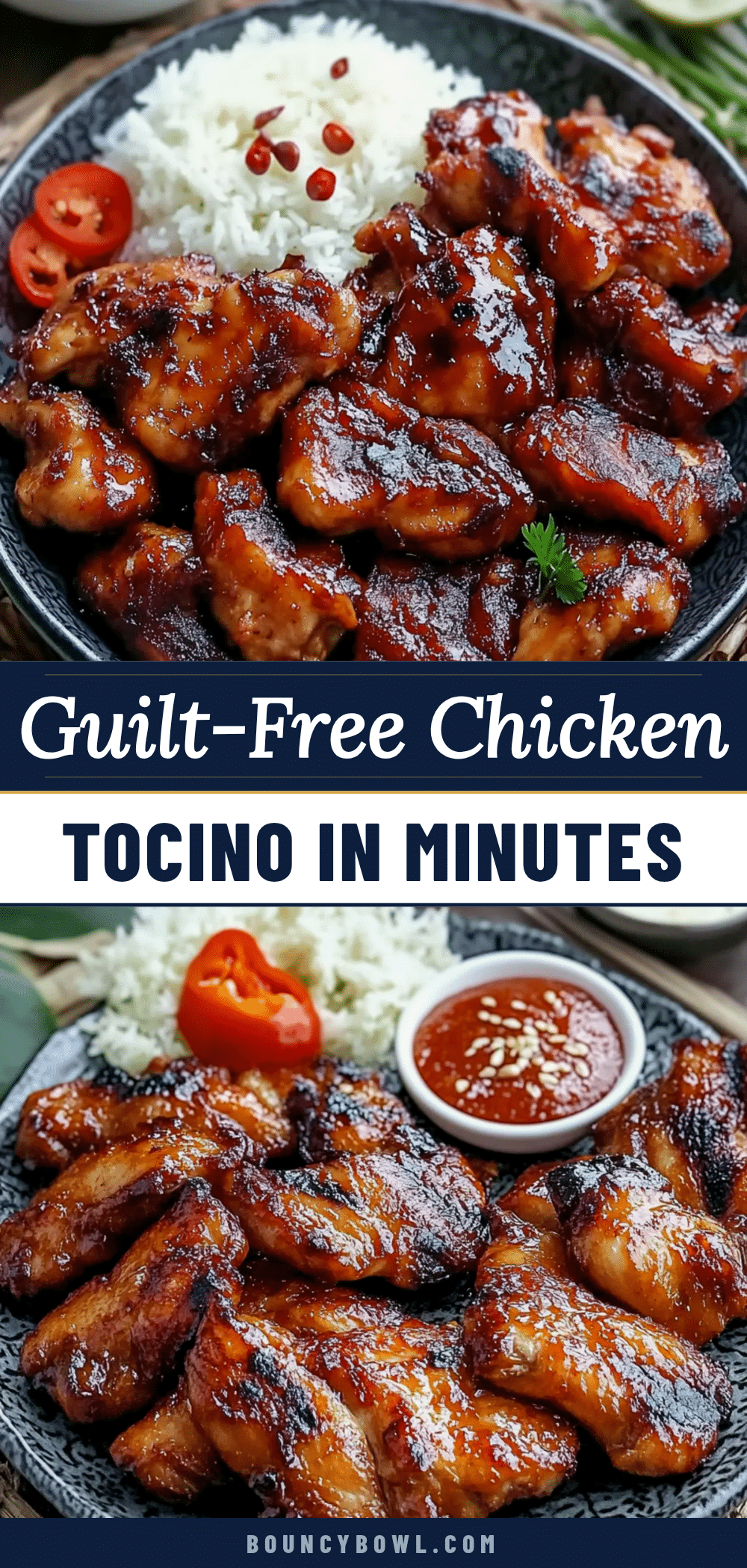
Easy Lighter Chicken Tocino: Guilt-Free Filipino Breakfast

A healthier twist on the classic Filipino breakfast staple, this Lighter Chicken Tocino uses lean chicken thighs and less sugar to deliver the same sweet-savory, caramelized goodness without the guilt. Ready in under 30 minutes, it’s perfect for busy mornings or meal prep.
- Prep Time: 10 minutes
- Cook Time: 12 minutes
- Total Time: 22 minutes (plus optional marinating time)
- Yield: 4 servings 1x
- Category: Main Course
- Cuisine: Filipino
Ingredients
- 1.5 lbs (680g) boneless, skinless chicken thighs, sliced into thin strips
- 1/2 cup (120 ml) pineapple juice
- 3 tablespoons (45g) packed brown sugar
- 3 tablespoons (45 ml) low-sodium soy sauce
- 4 cloves garlic, minced
- 1 tablespoon (15 ml) rice vinegar
- 1 teaspoon (5 ml) fish sauce
- 1/2 teaspoon (3g) fine sea salt
- 1/2 teaspoon (2g) freshly ground black pepper
- 1 tablespoon (15 ml) vegetable oil (such as avocado or canola)
- Optional garnish: sliced green onions, sesame seeds, or a fried egg
Instructions
- Prepare the chicken: Place chicken thighs on a cutting board and slice into thin strips, about 1/4-inch thick, keeping them uniform for even cooking.
- Make the marinade: In a large mixing bowl, whisk together pineapple juice, brown sugar, soy sauce, minced garlic, rice vinegar, and fish sauce until the sugar is mostly dissolved.
- Marinate the chicken: Add sliced chicken to the bowl and toss to coat. Cover and let sit at room temperature for 15 minutes (or refrigerate for 1-2 hours for deeper flavor).
- Heat the pan: Place a large non-stick skillet or cast iron pan over medium-high heat and add vegetable oil. Heat until shimmering, about 2 minutes.
- Cook the chicken: Using tongs, transfer chicken pieces to the hot pan, letting excess marinade drip off. Reserve remaining marinade. Arrange chicken in a single layer (work in batches if needed). Cook undisturbed for 3-4 minutes until deeply browned and caramelized. Flip and cook another 3-4 minutes until golden-brown and cooked through (internal temperature 165°F / 74°C).
- Add reserved marinade: Pour the reserved marinade into the pan with the cooked chicken. Let it bubble and reduce for 1-2 minutes, stirring occasionally, until it thickens into a glossy glaze coating the chicken.
- Rest and serve: Remove from heat and let rest for 1-2 minutes. Serve immediately over steamed rice with a fried egg and sliced cucumbers.
Notes
For best results, use chicken thighs instead of breasts to keep the meat juicy. Do not overcrowd the pan to ensure proper caramelization. Watch the heat carefully to prevent the sugar from burning. The tocino tastes even better the next day as flavors meld. For a gluten-free version, use tamari or coconut aminos instead of soy sauce.
Nutrition
- Serving Size: 6 oz cooked chicken
- Calories: 310
- Sugar: 14
- Sodium: 720
- Fat: 11
- Saturated Fat: 3
- Carbohydrates: 18
- Protein: 35
Keywords: chicken tocino, lighter tocino, Filipino breakfast, healthy tocino, easy chicken recipe, guilt-free breakfast, meal prep breakfast