Love this? Save it for later!
Share the inspiration with your friends
“Hey, you’ve gotta try this,” my friend texted me one chilly evening, right when I was fumbling around trying to decide what to eat. Honestly, I wasn’t expecting much. Korean rice cakes? Sweet? Butter? I was skeptical. But I figured, why not? It turned out to be one of those accidental wins that completely surprised me.
The moment I took that first bite, warm and sticky with just the right touch of sweet and salty, I knew this cozy sweet soy butter Korean rice cakes recipe was going to sneak into my regular rotation. It’s funny how sometimes the simplest dishes come together so quickly and become the comfort food you didn’t know you needed. I ended up making it three times that week—no joke—and each time felt like a little reset button after a long day.
What really hooked me was the buttery richness paired with the deep, caramel-like flavor of the soy sauce. It’s like a warm hug, but in food form. Plus, it only takes about 15 minutes from start to finish, which is perfect for those evenings when you want something satisfying without a ton of fuss. This recipe stuck with me because it’s quick, cozy, and hits that sweet spot between snack and dessert.
Sometimes, the best meals come from the most unplanned moments, and this one definitely did. If you’re looking for a little kitchen magic that’s easy to whip up and impossible to put down, this recipe might just be your new go-to. It’s simple, comforting, and just plain delicious.
Why You’ll Love This Recipe
Having tested and tweaked this cozy sweet soy butter Korean rice cakes recipe multiple times, I can say it’s a trusty crowd-pleaser you can rely on for quick comfort. Here’s why it’s so special:
- Quick & Easy: Ready in just 15 minutes, making it perfect for busy weeknights or when you need a last-minute treat.
- Simple Ingredients: Uses pantry staples like soy sauce, butter, and rice cakes, so no special grocery runs are needed.
- Perfect for Cozy Nights: This warm, sweet, and buttery dish is exactly what you want when the weather turns chilly or you crave something soothing.
- Crowd-Pleaser: Kids and adults alike love the chewy texture combined with that sweet-savory glaze.
- Unbelievably Delicious: The balance of flavors—from the rich butter to the subtle soy sauce depth—makes every bite addictive.
What sets this recipe apart is the way it treats the humble rice cake. Instead of drowning it in heavy sauces, it gets a light, glossy coating of soy butter glaze that lets the texture shine through. Plus, I love how easy it is to tweak—more butter if you’re feeling indulgent or a touch of honey for extra sweetness. Honestly, it’s comfort food made simple but thoughtful.
What Ingredients You Will Need
This cozy sweet soy butter Korean rice cakes recipe is built with simple, wholesome ingredients that come together fast, delivering bold flavor and that perfectly chewy texture without any hassle.
- Korean rice cakes (tteok), sliced: These chewy, cylindrical rice cakes are the star here. You can find them fresh or frozen at Asian markets. I prefer fresh for the best texture.
- Unsalted butter, 2 tablespoons: Adds richness and helps carry the soy sauce flavor. I usually use Plugrá or Kerrygold when I want that deep, creamy butter taste.
- Light soy sauce, 2 tablespoons: Provides the salty-sweet backbone. Look for a naturally brewed soy sauce for the best flavor.
- Brown sugar, 1 tablespoon: Adds caramel notes and balances the saltiness. Dark brown sugar works great if you want a richer flavor.
- Honey, 1 teaspoon (optional): For a subtle floral sweetness that rounds out the glaze.
- Garlic, 1 clove, minced: Just a hint to deepen the flavor without overpowering the sweetness.
- Sesame seeds, 1 teaspoon: Toasted, for a nutty crunch on top.
- Scallions, thinly sliced (optional): Adds freshness and a pop of color.
For substitutions, if you want to keep it vegan, swap the butter for a plant-based alternative like coconut oil or vegan margarine, and use tamari instead of soy sauce for gluten-free. If you can’t find Korean rice cakes, mochi rice cakes can work in a pinch, although the texture will be slightly different.
Equipment Needed
- Non-stick skillet or frying pan: Essential for cooking the rice cakes evenly without sticking. I’ve tried cast iron, but non-stick makes the cleanup way easier.
- Wooden spoon or silicone spatula: For stirring gently without scratching the pan.
- Measuring spoons: To get the soy sauce, butter, and sugar just right.
- Knife and cutting board: To slice the rice cakes and scallions.
- Small bowl: For mixing the glaze ingredients before adding them to the pan.
If you don’t have a non-stick pan, a well-seasoned cast iron skillet can also work, but be sure to stir gently and keep the heat moderate to prevent sticking. For those on a budget, even a good-quality stainless steel pan can do the job if you add a bit more butter to keep things slick.
Preparation Method
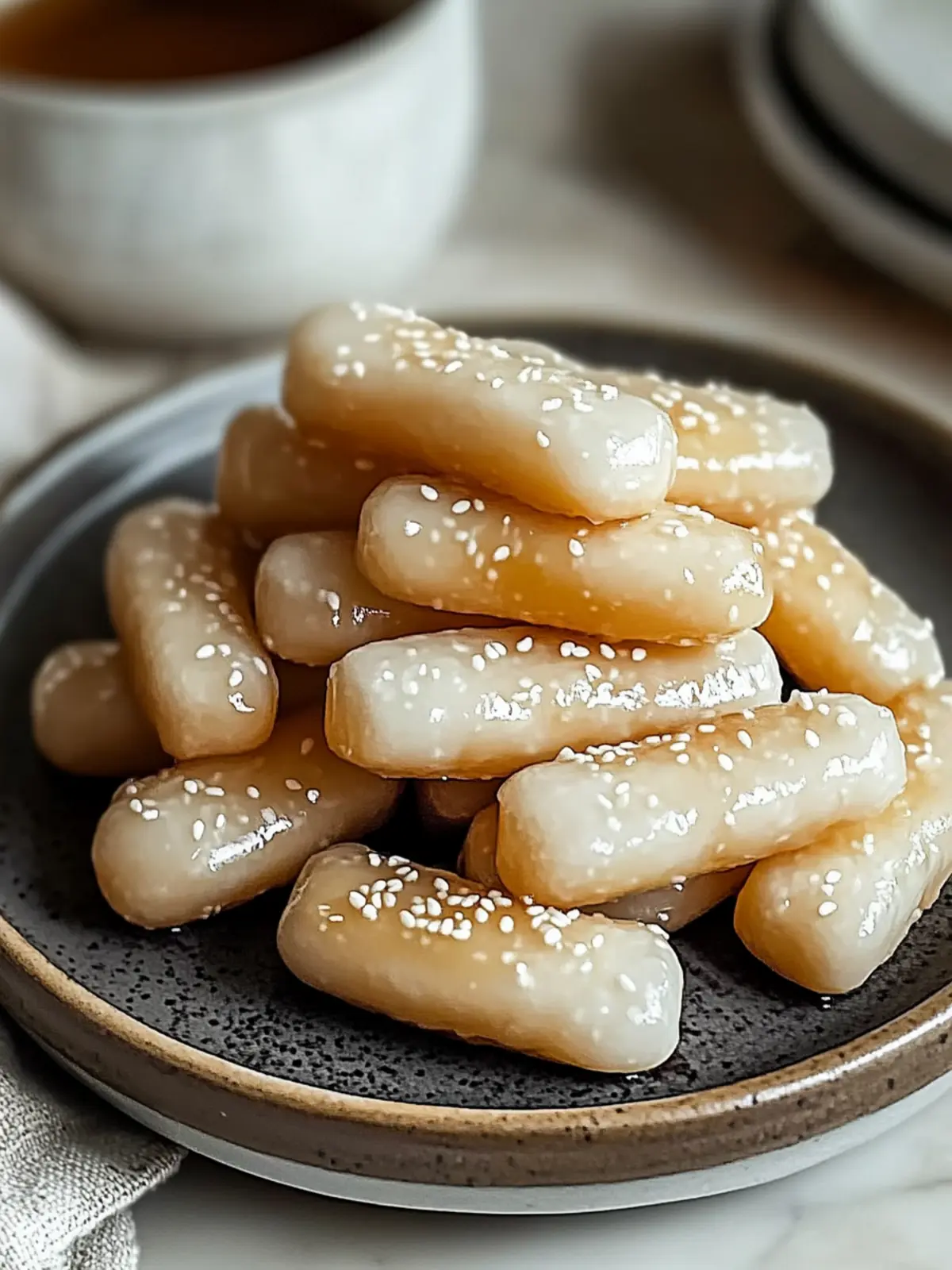
- Prepare the rice cakes: If you’re using frozen rice cakes, soak them in warm water for about 10 minutes to soften. Drain well and pat dry. Fresh rice cakes can be used as is. This step ensures they cook quickly and evenly.
- Mix the glaze: In a small bowl, combine 2 tablespoons of melted unsalted butter, 2 tablespoons of light soy sauce, 1 tablespoon of brown sugar, 1 teaspoon honey (if using), and the minced garlic. Stir until the sugar dissolves and the mixture is smooth.
- Heat the skillet: Place a non-stick skillet over medium heat. Once hot, add the rice cakes and cook for 3-4 minutes, stirring occasionally, until they start to get a little golden and soft on the outside but still chewy inside. You’ll know they’re ready when they begin to lightly sizzle and puff up a bit.
- Add the glaze: Pour the soy butter glaze over the rice cakes. Stir gently to coat all pieces evenly. Cook for another 3-4 minutes, allowing the sauce to thicken slightly and form a glossy coating. Be careful not to let it burn; adjust the heat as needed.
- Finish with toppings: Turn off the heat and sprinkle toasted sesame seeds and sliced scallions on top for contrast and a little crunch.
- Serve warm: Transfer the rice cakes to a serving bowl or plate. They’re best enjoyed hot, right out of the pan for that perfect chewy, buttery bite.
Tip: If the sauce gets too thick or starts to stick, splash a tiny bit of water to loosen it up, and stir gently. The rice cakes should be tender but still have that signature chewiness—if they get too soft, reduce cooking time next round.
Cooking Tips & Techniques
One key to this recipe’s success is patience while cooking the rice cakes. You want them crispy on the edges but soft inside—kind of like a pan-fried dumpling meets buttery candy. Stirring gently helps them brown evenly without breaking apart.
Don’t rush the glaze either; letting it simmer just enough to thicken creates that irresistible sticky coating everyone loves. Watch the heat closely to avoid burning the sugar—it can turn bitter fast.
When making the glaze, melting the butter first and mixing in the soy sauce and sugar off the heat helps the sugar dissolve fully and the garlic flavor to infuse without overheating.
If you’ve ever struggled with rice cakes sticking or clumping, try coating them lightly with a bit of oil before cooking or stirring frequently but gently. I’ve learned this from several attempts where I ended up with a sticky mess instead of perfect rounds.
Another trick is to toast the sesame seeds separately in a dry skillet until golden brown before adding them on top—this brings out a nuttier aroma that pairs beautifully with the soy butter glaze.
Variations & Adaptations
- Spicy Twist: Add a teaspoon of gochujang (Korean chili paste) to the glaze for a sweet-heat combo that wakes up your taste buds.
- Vegan Version: Use coconut oil or vegan butter and tamari instead of soy sauce to keep flavors rich but plant-based.
- Nutty Crunch: Sprinkle crushed roasted peanuts or walnuts on top instead of sesame seeds for an extra texture dimension.
- Seasonal Flair: Stir in small cubes of steamed sweet potato or roasted chestnuts for a heartier, fall-inspired version.
- Cheesy Upgrade: Add a sprinkle of grated parmesan or sharp cheddar just before serving for an unexpected savory kick.
I once tried adding a drizzle of maple syrup instead of honey for a slightly different sweet profile that was surprisingly good. Feel free to experiment and find your own cozy twist!
Serving & Storage Suggestions
Serve these sweet soy butter Korean rice cakes warm, ideally right after cooking, for the best texture and flavor. They pair wonderfully with a cup of green tea or a light jasmine tea to balance the richness.
For a more substantial meal, serve alongside something savory like quick honey orange shrimp or a simple cucumber salad to cut through the buttery sweetness.
Leftovers can be stored in an airtight container in the refrigerator for up to 2 days. To reheat, gently warm them in a non-stick skillet over medium-low heat, adding a splash of water or a bit of extra butter to refresh the glaze and soften the rice cakes.
Keep in mind the texture changes a bit after refrigeration, becoming denser. The flavors meld nicely, though, so it’s still a delicious snack or side the next day.
Nutritional Information & Benefits
This recipe is a comforting treat that provides quick energy thanks to the rice cakes’ carbohydrate content. Using unsalted butter and light soy sauce keeps sodium and fat in check, while the brown sugar and honey add natural sweetness without refined sugars.
Korean rice cakes are naturally gluten-free, making this recipe suitable for gluten-sensitive eaters if you choose gluten-free soy sauce. The sesame seeds offer a small boost of healthy fats and minerals like calcium and magnesium.
While it’s not a low-calorie dish, it’s a satisfying snack or side that holds you over without being overly heavy. I appreciate having a recipe like this when I want something cozy but not too complicated or processed.
Conclusion
This cozy sweet soy butter Korean rice cakes recipe has become a little kitchen treasure for me—fast, comforting, and packed with flavor. It’s perfect when you want a warm, satisfying bite that’s not fussy but still feels special. I love how versatile it is, ready for quick snacks or to complement a bigger meal.
Feel free to tweak the sweetness, spice, or toppings to make it your own. Cooking should always have room for personal flair, right? If you try this recipe, I’d love to hear how you made it yours or what variations you came up with.
Warm up your kitchen and your mood with this sweet and buttery Korean treat—you won’t regret it.
Frequently Asked Questions
Can I use frozen rice cakes for this recipe?
Yes! Just soak them in warm water for about 10 minutes to soften before cooking. This helps them cook evenly and get that perfect chewy texture.
Is there a gluten-free version of this recipe?
Absolutely. Use gluten-free tamari or soy sauce labeled gluten-free, and check that your rice cakes don’t contain any wheat additives.
What can I substitute for butter if I want a dairy-free option?
You can use coconut oil, vegan margarine, or any plant-based butter alternative. The flavor will be slightly different but still delicious.
How do I store leftovers to keep the best texture?
Store in an airtight container in the fridge for up to 2 days. Reheat gently in a skillet with a splash of water or butter to refresh the glaze and soften the rice cakes.
Can I make this recipe spicier?
Yes! Adding a spoonful of gochujang or red pepper flakes to the glaze gives a nice spicy kick that pairs well with the sweetness.
Pin This Recipe!
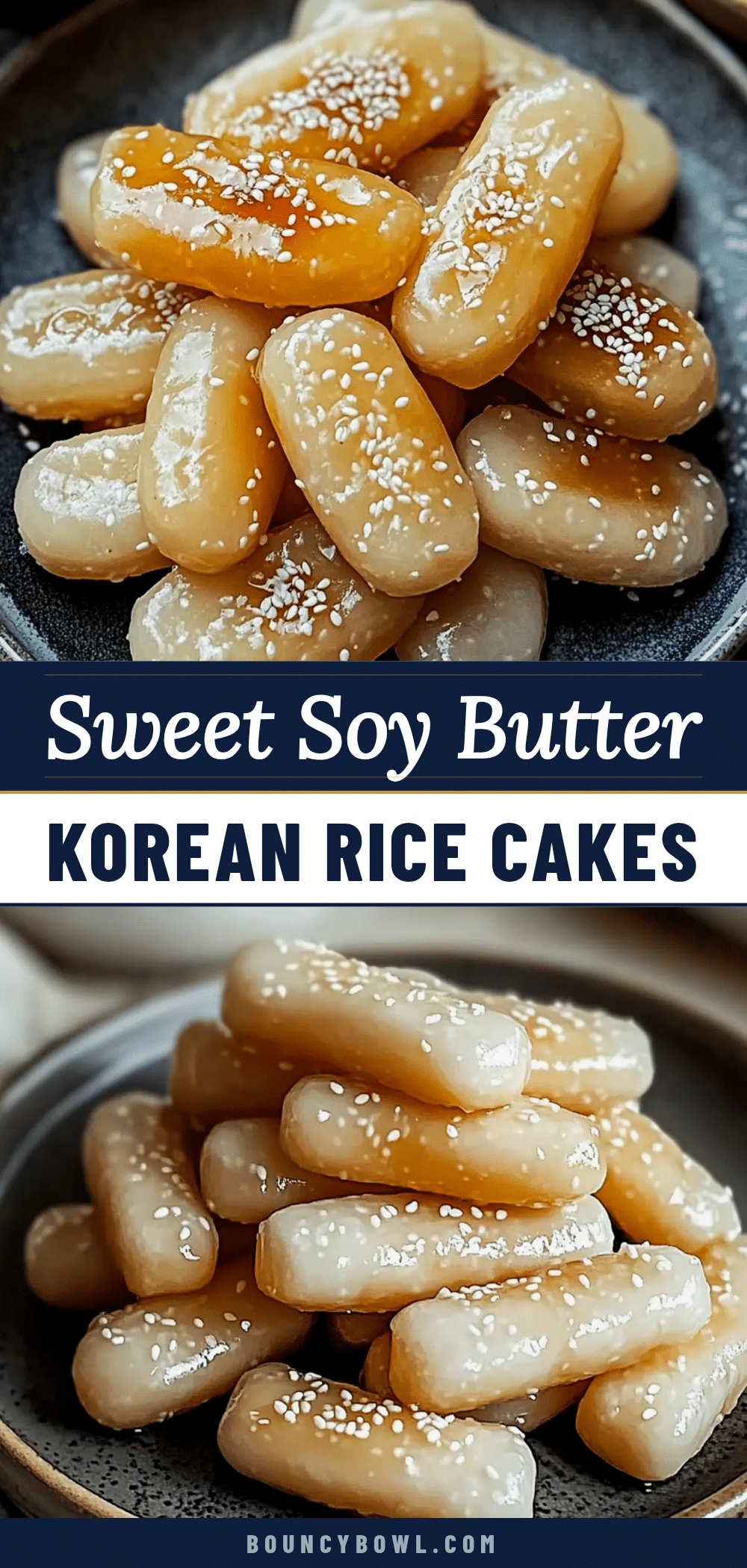
Cozy Sweet Soy Butter Korean Rice Cakes Recipe
A quick and comforting Korean rice cakes recipe featuring a sweet and savory soy butter glaze, ready in just 15 minutes. Perfect for cozy nights and easy snacking.
- Prep Time: 10 minutes
- Cook Time: 5 minutes
- Total Time: 15 minutes
- Yield: 2 servings 1x
- Category: Snack
- Cuisine: Korean
Ingredients
- Korean rice cakes (tteok), sliced
- 2 tablespoons unsalted butter
- 2 tablespoons light soy sauce
- 1 tablespoon brown sugar
- 1 teaspoon honey (optional)
- 1 clove garlic, minced
- 1 teaspoon toasted sesame seeds
- Thinly sliced scallions (optional)
Instructions
- If using frozen rice cakes, soak them in warm water for about 10 minutes to soften. Drain well and pat dry. Fresh rice cakes can be used as is.
- In a small bowl, combine 2 tablespoons melted unsalted butter, 2 tablespoons light soy sauce, 1 tablespoon brown sugar, 1 teaspoon honey (if using), and minced garlic. Stir until sugar dissolves and mixture is smooth.
- Heat a non-stick skillet over medium heat. Add rice cakes and cook for 3-4 minutes, stirring occasionally, until they start to get golden and soft on the outside but still chewy inside.
- Pour the soy butter glaze over the rice cakes. Stir gently to coat evenly. Cook for another 3-4 minutes until the sauce thickens and forms a glossy coating. Adjust heat to prevent burning.
- Turn off heat and sprinkle toasted sesame seeds and sliced scallions on top.
- Serve warm immediately for best texture and flavor.
Notes
If the sauce thickens too much or sticks, add a splash of water to loosen it. Stir gently to maintain rice cake texture. For vegan version, substitute butter with coconut oil or vegan margarine and soy sauce with tamari. Toast sesame seeds separately for enhanced flavor. Avoid burning the glaze by adjusting heat as needed.
Nutrition
- Serving Size: About 1 cup per serv
- Calories: 320
- Sugar: 10
- Sodium: 600
- Fat: 15
- Saturated Fat: 9
- Carbohydrates: 38
- Fiber: 1
- Protein: 4
Keywords: Korean rice cakes, tteokbokki, soy butter glaze, quick snack, sweet and savory, easy Korean recipe, buttery rice cakes