Love this? Save it for later!
Share the inspiration with your friends
The bag of frozen shrimp sat in my freezer for three weeks. Every time I opened the door, I’d see it, feel a little guilty, and then grab something else. It wasn’t that I didn’t like shrimp. I just didn’t have the energy for another complicated recipe that required fifteen ingredients and a sink full of dishes. Then came a Tuesday night. You know the kind—where you’re tired, hungry, and the last thing you want to do is think about dinner. I pulled out that bag of shrimp, spotted a bottle of soy sauce, and decided to make something happen in under thirty minutes. Honestly, I was just hoping it would be edible.
What came together in that skillet surprised me. The shrimp turned pink and plump in minutes, the sauce reduced into this glossy, sticky coating that clung to everything, and the whole kitchen smelled like a takeout spot. I threw in some bell peppers I had forgotten about and served it over rice. My husband took one bite and asked if I had secretly ordered delivery. That’s when I knew this quick teriyaki shrimp stir fry was a keeper. It wasn’t fancy. It wasn’t planned. It was just a tired weeknight win.
Now, this is the dinner I turn to when I need something fast that still feels like a real meal. It’s forgiving, it’s flexible, and it doesn’t require any special skills. If you’ve ever stared at a bag of frozen shrimp and wondered what to do with it, this is your answer. This is the recipe that turns a random Tuesday into something worth sitting down for.
Why You’ll Love This Recipe
I’ve tested this quick teriyaki shrimp stir fry at least a dozen times now, tweaking the sauce ratio and the cooking time until it hit that sweet spot. Here’s why I keep coming back to it:
- Quick & Easy: From start to finish, this comes together in under 30 minutes. No marinating, no complicated steps—just chop, stir, and eat.
- Simple Ingredients: You probably have most of these in your pantry right now. Soy sauce, honey, garlic, ginger—the usual suspects. No fancy grocery trips required.
- Perfect for Busy Weeknights: This is the dinner you make when you have zero energy but still want something that tastes like you tried. Great for those nights when you’re tempted to order pizza.
- Crowd-Pleaser: I’ve served this to picky kids, seafood skeptics, and my dad who claims he doesn’t like stir fry. Everyone cleans their plate.
- Unbelievably Delicious: The sauce is the star here. It’s sweet, salty, and slightly thick—the kind that coats every shrimp and vegetable perfectly. Honestly, I sometimes double the sauce just to have extra.
What makes this recipe different from other stir fries is the balance. The sauce isn’t too sweet or too salty. The shrimp stay tender, not rubbery. And the vegetables keep a little crunch instead of turning into mush. It’s comfort food that comes together fast, without sacrificing flavor. Trust me, once you make this, you’ll never look at a bag of frozen shrimp the same way again.
What Ingredients You Will Need
This recipe uses simple, everyday ingredients to build big flavor without the fuss. Most of these are pantry staples, and the fresh ones are easy to find at any grocery store. Here’s what you’ll need:
For the Teriyaki Sauce
- Soy sauce (low-sodium preferred), 1/3 cup – This is the salty base of the sauce. I use low-sodium so I can control the saltiness better. Kikkoman or San-J work great.
- Honey, 3 tablespoons – Adds natural sweetness and helps the sauce get that glossy, sticky texture. You can sub with brown sugar if you’re out of honey.
- Rice vinegar, 2 tablespoons – A little tang to balance the sweetness. Unseasoned rice vinegar is best, but apple cider vinegar works in a pinch.
- Fresh garlic, 3 cloves, minced – Don’t skip this. Fresh garlic makes a noticeable difference compared to the jarred stuff.
- Fresh ginger, 1 teaspoon, grated – Adds warmth and that signature stir fry flavor. I use a microplane for this—it’s faster and gives you a paste instead of chunks.
- Cornstarch, 1 tablespoon – This thickens the sauce so it coats the shrimp and veggies nicely. Mix it with 2 tablespoons of cold water before adding to the pan (this is called a slurry).
- Sesame oil, 1 teaspoon – Optional, but it adds a lovely nutty finish. A little goes a long way.
For the Stir Fry
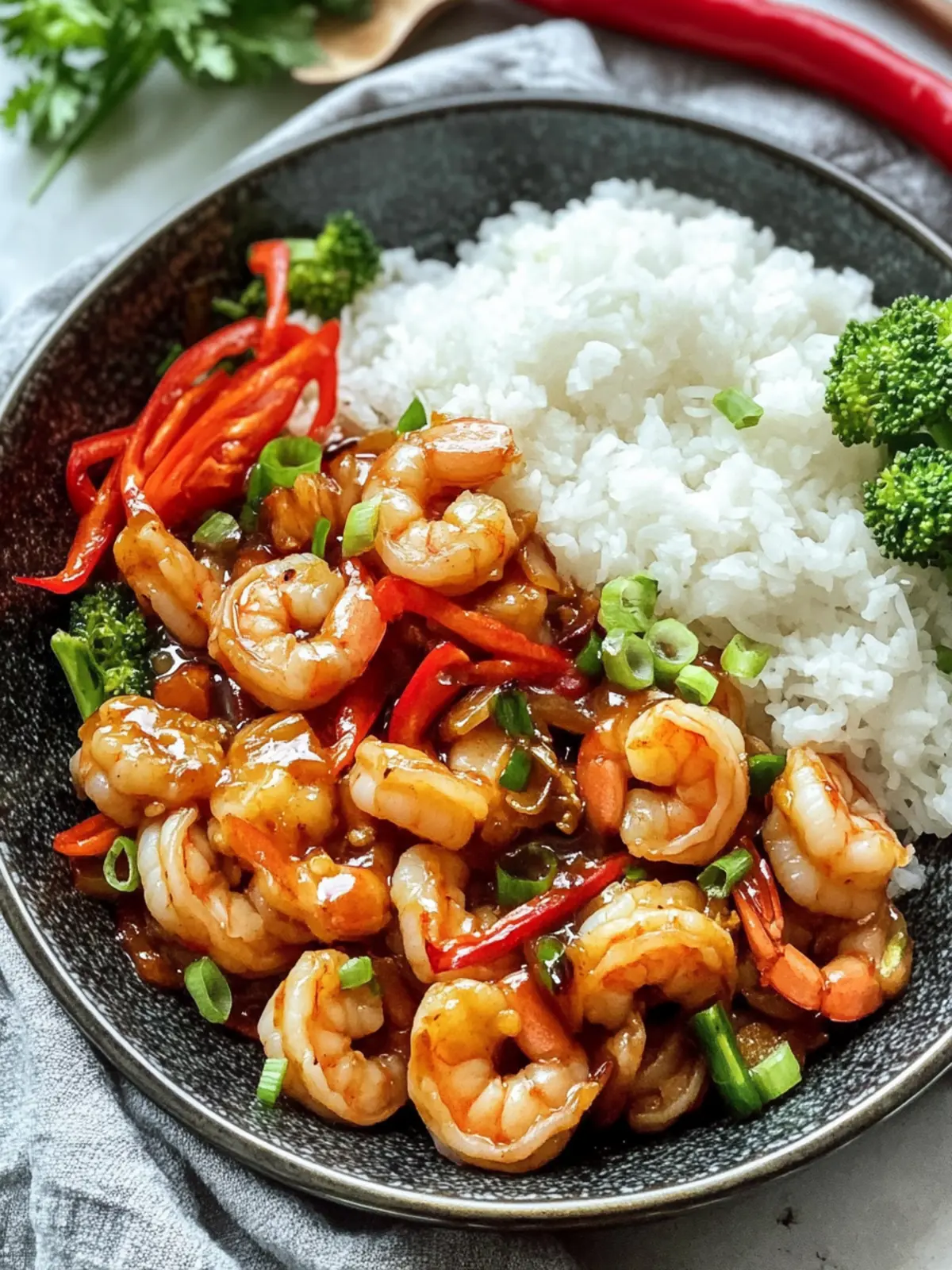
- Large shrimp, 1 pound, peeled and deveined – I use frozen raw shrimp (thawed) for convenience. Look for 21-25 count size—they’re big enough to feel substantial but cook quickly. Tail-on or off, your choice.
- Bell peppers, 2 medium, sliced – I like one red and one orange for color. They add sweetness and crunch. Green bell peppers work too but are a bit more bitter.
- Broccoli florets, 1 cup – Adds texture and soaks up the sauce beautifully. Fresh is best, but frozen (thawed) works if that’s what you have.
- Carrot, 1 large, julienned or thinly sliced – Adds a pop of color and a little sweetness. Use a vegetable peeler to make thin ribbons if you’re feeling fancy.
- Green onions, 3, sliced – For garnish and a mild onion flavor. Save the green parts for the end.
- Sesame seeds, 1 tablespoon – For garnish. Toasted ones add a nice nutty crunch.
- Neutral oil, 2 tablespoons – For cooking. Avocado oil, grapeseed oil, or vegetable oil work well. Avoid olive oil—it has a low smoke point and can taste bitter at high heat.
Ingredient Substitutions: If you’re gluten-free, swap the soy sauce for tamari or coconut aminos. For a lower-sugar option, use half the honey or replace it with a monk fruit sweetener. No fresh ginger? Use 1/2 teaspoon of ground ginger instead—it won’t be quite as punchy, but it’ll still be good. And if you’re out of rice vinegar, a squeeze of fresh lime juice works surprisingly well.
Equipment Needed
You don’t need a fancy kitchen to make this quick teriyaki shrimp stir fry. Here’s what I use:
- Large skillet or wok – A 12-inch skillet with high sides is ideal. I use a non-stick wok for easy cleanup. If you have a cast iron skillet, that works too—just make sure it’s well-seasoned.
- Cutting board and sharp knife – For prepping the veggies. A sharp knife makes everything faster and safer.
- Small bowl – For mixing the sauce and the cornstarch slurry.
- Measuring spoons and cups – For accurate measurements. I’ve eyeballed this before, and it’s not the same.
- Wooden spoon or spatula – For stirring. A silicone spatula is great for scraping every bit of sauce out of the pan.
- Microplane or grater – For grating the ginger and garlic. This is one of those tools that makes a real difference in texture.
- Colander – For rinsing and draining the shrimp if using frozen.
Budget-friendly tip: If you don’t have a wok, any large skillet will do. I’ve made this in a stainless steel pan and it turned out just fine. The key is to not overcrowd the pan—cook in batches if needed.
Preparation Method
Let’s get cooking. This whole process takes about 25-30 minutes, so put on some music and let’s go.
- Thaw the shrimp (if frozen). Place the frozen shrimp in a colander and run cold water over them for 5-7 minutes. Pat them dry with paper towels—this is important because wet shrimp won’t sear properly—they’ll steam instead. Once dry, season lightly with a pinch of salt and pepper.
- Make the teriyaki sauce. In a small bowl, whisk together the soy sauce, honey, rice vinegar, minced garlic, and grated ginger. Set aside. In another tiny bowl, mix the cornstarch with 2 tablespoons of cold water and stir until smooth. This is your slurry—don’t skip it.
- Prep the vegetables. Slice the bell peppers into thin strips (about 1/4-inch wide). Cut the broccoli into small florets—try to make them similar in size so they cook evenly. Julienne or thinly slice the carrot. Slice the green onions, separating the white parts from the green tops.
- Heat the oil. Place your skillet or wok over high heat and add 1 tablespoon of neutral oil. Wait until the oil shimmers—this means it’s hot enough. If you’re using a non-stick pan, medium-high heat is fine.
- Cook the shrimp. Add the shrimp in a single layer (you may need to do this in two batches if your pan is small). Cook for 1-2 minutes per side, until they turn pink and opaque. Don’t overcook—they’ll continue cooking later. Transfer the shrimp to a plate and set aside.
- Stir fry the vegetables. Add the remaining 1 tablespoon of oil to the pan. Toss in the white parts of the green onions, the bell peppers, broccoli, and carrot. Stir fry for 3-4 minutes, stirring constantly. The vegetables should be bright in color and still slightly crisp—not soft and limp.
- Add the sauce. Pour the teriyaki sauce into the pan with the vegetables. Stir well and let it simmer for 1 minute. Give the cornstarch slurry a quick stir (it settles fast) and pour it into the pan. The sauce will thicken almost immediately—you’ll see it go from watery to glossy and syrupy.
- Return the shrimp. Add the cooked shrimp back to the pan. Toss everything together for 1-2 minutes, until the shrimp are heated through and coated in the sauce. The sauce should cling to everything nicely.
- Finish and garnish. Drizzle with sesame oil if using. Sprinkle with the sliced green onion tops and sesame seeds. Give it one last toss, then remove from heat.
- Serve immediately. Spoon the stir fry over steamed rice, noodles, or cauliflower rice. I like jasmine rice best—it soaks up the extra sauce perfectly.
Sensory cues: The shrimp should be pink and slightly curled. The sauce should coat the back of a spoon. The vegetables should be bright and still have a slight crunch when you bite into them. If the sauce seems too thick, add a splash of water. If it’s too thin, let it simmer another minute.
Cooking Tips & Techniques
After making this quick teriyaki shrimp stir fry more times than I can count, I’ve picked up a few tricks that make a real difference.
Don’t overcrowd the pan. This is the number one mistake people make with stir fries. If you add too much at once, the pan cools down and everything steams instead of searing. Cook the shrimp in batches if needed. Trust me, it’s worth the extra two minutes.
Pat the shrimp dry. I learned this the hard way after making a watery mess. Wet shrimp release moisture when they hit the hot pan, which prevents browning. A quick pat with paper towels fixes this completely.
Prep everything before you start. Stir frying moves fast. Once that pan is hot, you won’t have time to chop garlic or measure soy sauce. I like to have all my ingredients measured and within arm’s reach before I turn on the stove. It makes the whole process feel effortless.
Use high heat. Stir frying is all about high heat and quick cooking. If your pan isn’t hot enough, the vegetables will release water and turn soggy. You want that sizzle when the food hits the pan. If you’re using a non-stick pan, medium-high is usually enough to avoid damaging the coating.
Taste as you go. Everyone’s soy sauce and honey are a little different. I always taste the sauce before adding it to the pan and adjust if needed. Too salty? Add a splash of water or a little more honey. Too sweet? A dash of rice vinegar balances it out.
Don’t skip the cornstarch slurry. I once tried to thicken the sauce by just simmering it longer. It never got that glossy, restaurant-quality texture. The slurry is what gives the sauce that perfect body that clings to every shrimp and vegetable.
Variations & Adaptations
This recipe is incredibly flexible. Here are some ways I’ve changed it up depending on what I have in the fridge or who I’m cooking for.
Dietary Variations
- Gluten-Free: Swap the soy sauce for tamari or coconut aminos. Everything else is naturally gluten-free. I’ve made this for friends with celiac disease and they loved it.
- Low-Carb / Keto: Serve over cauliflower rice instead of regular rice. Use a sugar-free sweetener like monk fruit or erythritol in place of honey. The flavors are still spot-on.
- Vegetarian: Replace the shrimp with firm tofu or tempeh. Press the tofu first to remove excess moisture, then cube it and pan-fry until golden before adding the vegetables.
Flavor Twists
- Spicy Teriyaki: Add 1 teaspoon of sriracha or red pepper flakes to the sauce. I do this when I want a little heat—it cuts through the sweetness beautifully.
- Garlic Lover’s Version: Double the garlic. I’ve done this on nights when I’m fighting off a cold, and it’s incredibly satisfying.
- Citrus Teriyaki: Add the zest and juice of half an orange to the sauce. It brightens everything up and feels a little more tropical.
Vegetable Swaps
Use whatever vegetables you have on hand. Snap peas, snow peas, zucchini, mushrooms, or baby corn all work great. I’ve even used leftover roasted vegetables in a pinch—just add them at the end to warm through. If you’re looking for another quick weeknight option, this quick Chinese-style sautéed shrimp uses a similar approach with a different flavor profile.
Protein Alternatives
Chicken, beef strips, or even salmon chunks work well with this sauce. Just adjust cooking times accordingly. Chicken breast needs about 4-5 minutes per side, while beef strips cook in 2-3 minutes. For another seafood option, this easy baked pineapple salmon is a great alternative when you want something a little different.
Serving & Storage Suggestions
Serving: This stir fry is best served immediately, right when it comes off the heat. Spoon it over steamed jasmine rice or brown rice—the grains catch all that glossy sauce. For a low-carb option, serve over cauliflower rice or zucchini noodles. I like to garnish with extra sesame seeds and a few slices of fresh green onion for color.
What to serve alongside: A simple cucumber salad with rice vinegar and a sprinkle of salt is a refreshing side. Or try these fresh sushi cucumber salad for a crunchy, cooling contrast. If you want something heartier, a bowl of cozy creamy chicken pot pie soup on the side makes for a comforting meal combo.
Storage: Leftovers keep well in an airtight container in the refrigerator for up to 3 days. The flavors actually meld together overnight, making it even better the next day. The vegetables will soften a bit, but it’s still delicious.
Reheating: The best way to reheat is in a skillet over medium heat with a splash of water or extra soy sauce. This helps revive the sauce and prevents the shrimp from drying out. Microwave works in a pinch—just cover the bowl and heat in 30-second bursts, stirring in between.
Freezing: I don’t recommend freezing this dish. The shrimp can become rubbery and the vegetables lose their texture. If you want to meal prep, freeze the sauce separately and cook the shrimp and vegetables fresh.
Flavor development: The sauce thickens slightly as it sits, so leftovers will have a more concentrated flavor. I actually prefer the leftovers for lunch the next day—the shrimp soak up more of that teriyaki goodness.
Nutritional Information & Benefits
Here’s an approximate nutritional breakdown per serving (based on 4 servings, not including rice):
- Calories: ~280
- Protein: 24g
- Carbohydrates: 22g
- Fat: 9g
- Fiber: 3g
- Sugar: 14g
- Sodium: 780mg (varies based on soy sauce)
Health Benefits: Shrimp is an excellent source of lean protein and contains selenium, which supports thyroid function and acts as an antioxidant. The bell peppers are packed with vitamin C—more than an orange, actually. Broccoli adds fiber and vitamin K, while ginger and garlic offer anti-inflammatory properties. This meal is naturally low in carbs if you skip the rice or use cauliflower rice.
Dietary Considerations: This recipe is dairy-free and nut-free. It can be made gluten-free with tamari and low-carb with a sugar substitute. The main allergens are shellfish (shrimp) and soy (soy sauce).
I personally love that this meal feels indulgent but is actually quite balanced. It’s the kind of dinner that satisfies a takeout craving without the heavy feeling afterward. For another balanced weeknight option, this creamy tzatziki chicken salad is another favorite in my rotation.
Conclusion
This quick teriyaki shrimp stir fry has become my go-to for those nights when I need dinner on the table fast, but I still want it to feel special. It’s proof that you don’t need a pantry full of exotic ingredients or hours of free time to make something genuinely delicious. The sauce is perfectly balanced, the shrimp stay tender, and the whole thing comes together in about the same time it takes to watch a single episode of your favorite show.
I love that this recipe is forgiving enough for beginners but satisfying enough for experienced cooks. You can tweak the vegetables, adjust the heat, or swap the protein based on what you have. It’s a template, not a rigid set of rules. Honestly, the first time I made it, I forgot the ginger and it was still fantastic. That’s the kind of recipe this is—it wants you to succeed.
So go ahead and give it a try. Pull that bag of shrimp out of the freezer, grab whatever vegetables are lingering in your fridge, and let this become your new weeknight hero. When you make it, I’d love to hear how it turned out. Drop a comment below and tell me what variations you tried, or tag me in your photos. Happy cooking!
Frequently Asked Questions
Can I use frozen shrimp without thawing first?
Technically yes, but I don’t recommend it. Frozen shrimp release a lot of water as they cook, which will make your sauce thin and watery. For the best texture and flavor, thaw them first by running cold water over them in a colander for 5-7 minutes, then pat them dry.
What if I don’t have rice vinegar?
No problem! Apple cider vinegar or fresh lime juice both work well as substitutes. They’ll add a slightly different tang, but the sauce will still be delicious. I’ve used both in a pinch and didn’t notice a huge difference.
Can I make the teriyaki sauce ahead of time?
Absolutely. The sauce can be made up to 3 days in advance and stored in an airtight container in the refrigerator. Just give it a good stir before using, as the honey can settle at the bottom. This is a great time-saver for busy weeknights.
Why did my shrimp turn out rubbery?
Rubbery shrimp usually means they were overcooked. Shrimp cook very quickly—just 1-2 minutes per side is usually enough. They’re done when they turn pink and curl slightly into a loose C shape. If they curl into a tight O, they’re overcooked. Also, make sure not to crowd the pan, which can cause steaming instead of searing.
Can I use a different protein instead of shrimp?
Yes! This sauce works beautifully with chicken breast (cut into thin strips), beef sirloin (thinly sliced against the grain), or firm tofu (pressed and cubed). Just adjust the cooking time accordingly. Chicken and beef will need about 3-4 minutes per side, while tofu needs about 5-6 minutes total to get golden and crisp.
Pin This Recipe!
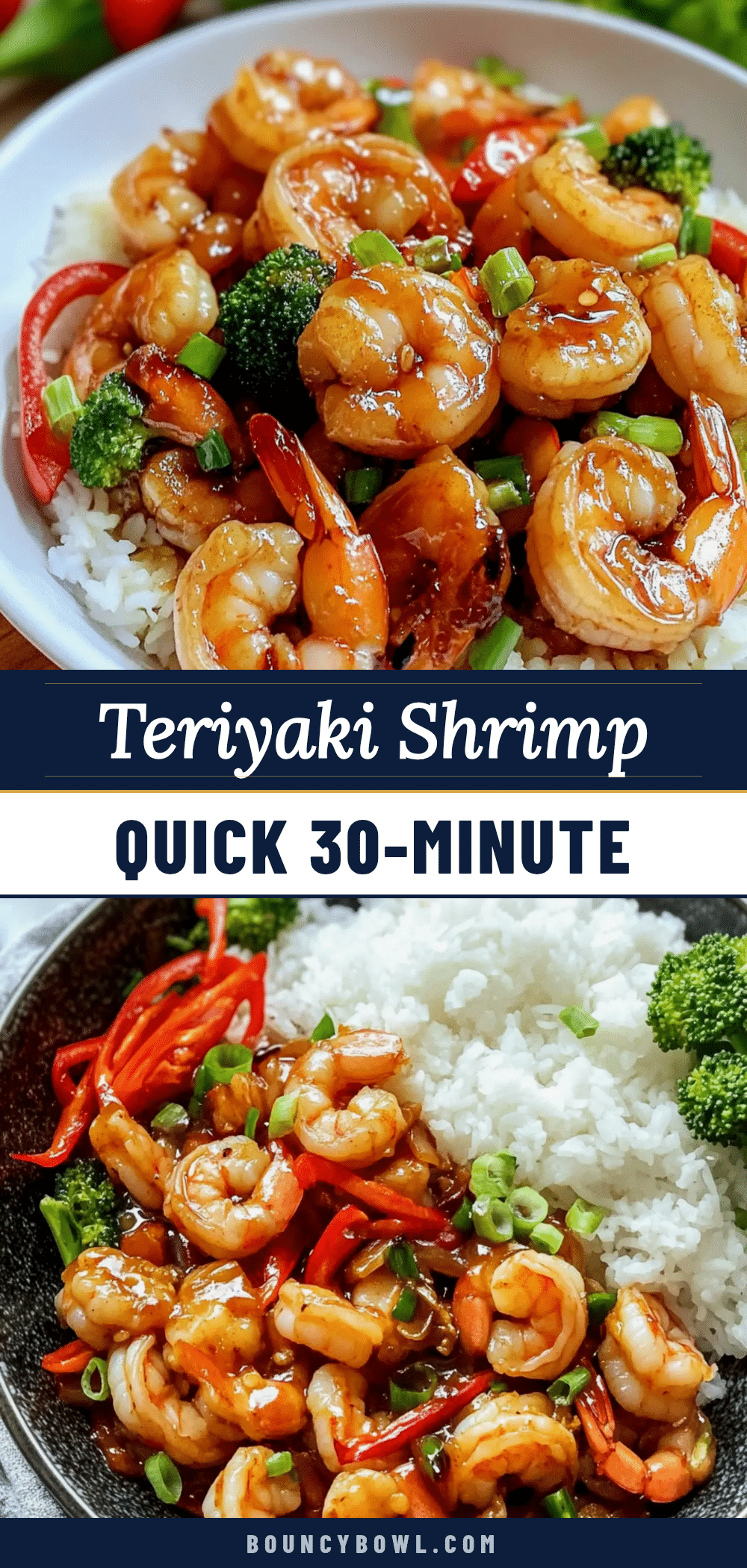
Quick and Easy 30-Minute Teriyaki Shrimp Stir Fry
This quick teriyaki shrimp stir fry comes together in under 30 minutes with simple ingredients. Perfect for busy weeknights, it features tender shrimp, crisp vegetables, and a glossy, balanced teriyaki sauce that coats everything beautifully.
- Prep Time: 10 minutes
- Cook Time: 15 minutes
- Total Time: 25 minutes
- Yield: 4 servings 1x
- Category: Main Course
- Cuisine: Asian
Ingredients
- 1/3 cup low-sodium soy sauce
- 3 tablespoons honey
- 2 tablespoons rice vinegar
- 3 cloves garlic, minced
- 1 teaspoon fresh ginger, grated
- 1 tablespoon cornstarch
- 2 tablespoons cold water (for slurry)
- 1 teaspoon sesame oil (optional)
- 1 pound large shrimp, peeled and deveined
- 2 medium bell peppers (red and orange), sliced
- 1 cup broccoli florets
- 1 large carrot, julienned or thinly sliced
- 3 green onions, sliced (white and green parts separated)
- 1 tablespoon sesame seeds (for garnish)
- 2 tablespoons neutral oil (avocado, grapeseed, or vegetable)
Instructions
- Thaw the shrimp (if frozen) by placing in a colander and running cold water over them for 5-7 minutes. Pat dry with paper towels and season lightly with salt and pepper.
- In a small bowl, whisk together soy sauce, honey, rice vinegar, minced garlic, and grated ginger. In another tiny bowl, mix cornstarch with 2 tablespoons cold water to make a slurry.
- Prep vegetables: slice bell peppers into thin strips, cut broccoli into small florets, julienne or thinly slice carrot, and slice green onions separating white and green parts.
- Heat 1 tablespoon neutral oil in a large skillet or wok over high heat until shimmering.
- Add shrimp in a single layer (cook in batches if needed) and cook for 1-2 minutes per side until pink and opaque. Transfer to a plate and set aside.
- Add remaining 1 tablespoon oil to the pan. Add white parts of green onions, bell peppers, broccoli, and carrot. Stir fry for 3-4 minutes until bright and slightly crisp.
- Pour teriyaki sauce into the pan with vegetables. Stir and let simmer for 1 minute. Stir the cornstarch slurry and pour it in; sauce will thicken immediately.
- Return cooked shrimp to the pan. Toss everything together for 1-2 minutes until shrimp are heated through and coated.
- Drizzle with sesame oil if using. Sprinkle with green onion tops and sesame seeds. Toss once more, then remove from heat.
- Serve immediately over steamed rice, noodles, or cauliflower rice.
Notes
Don’t overcrowd the pan; cook shrimp in batches if needed. Pat shrimp dry to ensure proper searing. Prep all ingredients before starting as stir frying moves fast. Taste sauce before adding and adjust sweetness or saltiness. Cornstarch slurry is essential for the glossy texture.
Nutrition
- Serving Size: 1 serving (without r
- Calories: 280
- Sugar: 14
- Sodium: 780
- Fat: 9
- Saturated Fat: 1.5
- Carbohydrates: 22
- Fiber: 3
- Protein: 24
Keywords: teriyaki shrimp, stir fry, quick dinner, weeknight meal, shrimp recipe, 30-minute meal